Born in Anchorage Alaska, I grew up in Georgia, moved back to the Pacific Northwest and settled for years work as a Surfman for the USCG in Alaska Oregon Washington Texas . I now live in Corpus Christi Area ), TX.. I am a proud father of 3 girls & 1 son, Retired Chief in the United States Coast Guard, Spearfisherman, Big Game Hunter, Cameraman, and graduate of FreeDiving International L1 Program. I once created Rigs & Reef Classic with a few goals! I am blessed with previously working in the military & outdoor industry and the Spearfishing Industry! We are full of amazing divers, and Company's who respect our waters! I want to promote this in Texas Waters eventually…
However, it is most often poor and marginalized people who get killed, beaten, raped, humiliated or otherwise abused by police. In the USA, racist policing has led to the shocking deaths of George Floyd, Michael Brown, Breonna Taylor, Eric Garner and many other unarmed Black people.
yep its a noun noun: police brutality; plural noun: #policebrutalities the use of #excessiveunjustifiedforce by the police when dealing with members of the public. “some victims of police brutality may be successful in bringing or #settlinglawsuits”
rigsreefclassicspearfishing.com
~ Anna Paulina Luna
Police brutality is the
excessive or unwarranted use of force by law enforcement against individuals or groups, often constituting a violation of civil rights. It encompasses a range of behaviors from verbal abuse and harassment to physical beatings, torture, and unlawful killings. Wikipedia +3
Recent Trends and Statistics (2024–2026)
Fatalities: Police violence remains a persistent crisis; 2024 was recorded as the deadliest year for police killings in the U.S., with over 1,300 people killed. Through January 2026, the number of people killed by police in the U.S. was slightly lower (by 21 individuals) compared to the same period in 2025.
Racial Disparities: Black, Native American, and Hispanic people are killed at significantly higher rates than white people. Black males, while only 6.1% of the population, account for nearly 25% of all persons killed by law enforcement.
Injuries: An estimated 250,000 civilian injuriesare caused by U.S. law enforcement annually, with approximately 75,000 requiring hospital treatment. Mapping Police Violence +4
Core Causes and Drivers
Institutional Culture: Many departments foster an “us versus them” mentality and a “blue wall of silence” that discourages officers from reporting or intervening in peer misconduct.
Legal Protections: The doctrine of qualified immunity often shields officers from civil liability unless they violated a “clearly established” right, making it difficult for victims to win lawsuits.
Lack of Accountability: Officers face criminal charges in fewer than 1% of killings and are convicted in less than 0.3% of cases.
Warrior Training: Paramilitary-style training often emphasizes aggressive tactics and fear over de-escalation and community outreach. Brennan Center for Justice +2
Notable Recent Incidents
Sonya Massey (2025): A former Illinois officer was found guilty of murder in October 2025 after fatally shooting Massey in her home after she called police to report an intruder.
Tyre Nichols (Ongoing): Legal proceedings continued into 2025, with a judge ordering a new trial for some officers involved in the fatal 2023 beating after witness tampering convictions. BBC
Legal Recourse for Victims
If you are a victim of police misconduct, legal experts recommend:
Seeking medical attention immediately and documenting all injuries.
Recording details such as officer names, badge numbers, department, time, and location.
Gathering evidence, including witness contact info and video footage (e.g., cell phone or nearby security cameras).
Filing a formal complaint with the police department or a state civil rights agency.
Reporting to federal authorities, such as the Department of Justice Civil Rights Division.
Police brutality is defined as the excessive or unwarranted use of force by law enforcement, often resulting in civil rights violations
. It spans a range of actions, from physical assault and verbal abuse to fatal shootings and torture. Encyclopedia Britannica +4
Recent High-Profile Cases (2020–2026)
Renée Good (2026): A 37-year-old woman was shot and killed by an ICE agent in Minneapolis while she was attempting to drive away from a traffic stop.
Sonya Massey (2025): An unarmed woman was fatally shot in her home by an officer after she had called the police to report a suspected intruder.
Tyre Nichols (2023): A 29-year-old Black man died three days after being brutally beaten by five Memphis police officers during a traffic stop. The officers were later charged with second-degree murder.
George Floyd (2020): A 46-year-old Black man was murdered in Minneapolis after an officer knelt on his neck for over nine minutes. This incident sparked global protests and a national reckoning on police accountability.
Breonna Taylor (2020): A 26-year-old Black woman was fatally shot in her home during a “no-knock” raid by Louisville police officers. Her death led to widespread calls for banning such raids. rblaw.net +7
Historical Examples of Systemic Brutality
Rodney King (1991): The televised beating of Rodney King by LAPD officers and their subsequent acquittal triggered the 1992 Los Angeles Riots, one of the most significant civil disturbances in U.S. history.
Jon Burge Torture Cases (1972–1991): A Chicago police commander and his team tortured over 120 people, primarily Black men, using electric shocks and suffocation to coerce false confessions.
Amadou Diallo (1999): An unarmed West African immigrant was shot 41 times by four NYPD officers who mistook his wallet for a gun while he stood outside his apartment.
Stonewall Riots (1969): A police raid on the Stonewall Inn, a gay bar in New York City, led to violent clashes and is credited with launching the modern LGBTQ+ rights movement. Encyclopedia Britannica +4
Common Forms of Brutality
Excessive Force: Using more physical power than necessary to control a situation, such as unjustified beatings or the misuse of “less lethal” weapons like rubber bullets and tasers.
False Arrest & Illegal Search: Detaining individuals without probable cause or conducting searches without warrants, often targeting marginalized communities.
Coerced Confessions: Using physical violence or extreme psychological pressure to force a suspect to admit to a crime they may not have committed.
Racial Profiling: Disproportionately stopping, frisking, or using force against individuals based on their race rather than suspicious behavior. Amnesty International +10
For real-time data on police-related fatalities, you can consult the Mapping Police Violence database or The Washington Post’s Police Shootings Database.
Would you like to explore the legal reforms proposed to address these issues or look into the statistical trends of police force in a specific region?
My most vidwed piece of social media content, Ironically its on a dating app called YouTube
Even cooler it’s got my brothers n sisters in it 🙂
Anna Paulina Luna Kristi Noem Secretary Kristi Noem Tulsi Gabbard Alexandria Ocasio-Cortez Mayra Flores
U.S. Coast Guard
@surfman374
USCoastGuardMostViewedVideo “maybe on my account”…
Mine are all Personal Accounts
An
unlawful search and seizure occurs when a government agent (like a police officer) violates an individual’s Fourth Amendment rights by searching their person or property or seizing their belongings without a valid warrant or a recognized legal exception. LII | Legal Information Institute +2
Key Legal Standards
The Fourth Amendment: Protects against “unreasonable” searches and seizures, requiring that any warrant issued be based on probable cause and specifically describe the place and items involved.
Reasonable Expectation of Privacy: A search only occurs if the government intrudes on a space where a person has a subjective expectation of privacy that society recognizes as reasonable (e.g., a home or a closed bag).
Probable Cause: The legal standard requiring a “prudent person” to believe that a crime has been committed and that evidence exists in the place to be searched. United States Courts (.gov) +6
Common Exceptions to the Warrant Requirement
Searches without a warrant are presumptively unreasonable unless they fall into specific categories: United States Courts (.gov) +1
Consent: When an individual voluntarily permits the search.
Plain View: If an officer is lawfully in an area and sees incriminating evidence in the open.
Exigent Circumstances: Emergencies where delay would result in the destruction of evidence or a threat to public safety.
Search Incident to Arrest: A search of an arrestee’s person and immediate “wingspan” to ensure officer safety.
Automobile Exception: Police can search a vehicle without a warrant if they have probable cause to believe it contains contraband. United States Courts (.gov) +4
Legal Remedies
If a search is found to be unlawful, the primary remedy is the Exclusionary Rule: LII | Legal Information Institute +1
Suppression of Evidence: Any evidence obtained illegally is typically inadmissible in a criminal trial.
Fruit of the Poisonous Tree: Additional evidence discovered as a direct result of the initial illegal search is also usually excluded.
Civil Action: Victims may sometimes file a civil rights lawsuit to hold law enforcement accountable, though officers often have qualified immunity. LII | Legal Information Institute
Illegal search and seizure, prohibited by the Fourth Amendment, occurs when law enforcement violates a person’s reasonable expectation of privacy without a warrant, probable cause, or a valid exception (like consent, exigent circumstances, or plain view)
. Evidence obtained illegally is generally inadmissible in court under the exclusionary rule. United States Courts (.gov) +3
Key Aspects of Illegal Search & Seizure
Definition: A search occurs when the government violates an expectation of privacy, while a seizure of property occurs when there is meaningful interference with an individual’s possessory interests.
The Fourth Amendment: Protects against “unreasonable searches and seizures” of persons, houses, papers, and effects.
Warrant Requirement: Generally, searches of private property require a warrant based on probable cause.
Exceptions (When a Warrant is Not Required):
Consent: Voluntarily allowing the search.
Plain View: Evidence is in plain sight.
Search Incident to Lawful Arrest: Searching a person immediately upon arrest.
Exigent Circumstances: Emergency situations, such as “hot pursuit” of a fleeing felon or imminent destruction of evidence.
Automobile Exception: If officers have probable cause to believe a vehicle contains contraband.
Common Illegal Scenarios:
Searching a home without a warrant or valid exception.
Stopping a pedestrian or driver without reasonable suspicion of a crime.
Exceeding the scope of a warrant (e.g., looking for a stolen car in a small drawer).
Consequences of Illegal Search:
Motion to Suppress: An attorney can file a motion to exclude evidence obtained illegally, which may lead to dismissed charges.
Fruit of the Poisonous Tree: Not only is the initially seized evidence excluded, but any further evidence discovered as a result of that illegal search is also generally inadmissible. United States Courts (.gov) +7
If you believe your rights were violated, it is crucial to remain calm, state that you do not consent to a search, and contact an attorney.
Police can and do use Bluetooth technology for surveillance and data collection, including tracking device locations via Bluetooth Low Energy (BLE) signals and accessing data from connected phones in patrol vehicles. Law enforcement can potentially view recent calls, texts, and GPS data if a phone is synced to a police car. YouTube YouTube +4 Key Details on Police Bluetooth Capabilities: Vehicle Syncing Risks: When a personal phone is connected to a police vehicle’s infotainment system, data like contacts, messages, and location history may be downloaded and stored, remaining accessible even after disconnection. Tracking Devices: Police can use Bluetooth signal detectors (or “sniffers”) to locate individuals by identifying unique MAC addresses from personal devices like phones or even medical implants. Automated Systems: Some police equipment, such as tasers and body cameras, automatically activate and stream via Bluetooth when a service weapon is drawn or lights are activated. Legal Protections: While police may try to access this data, the U.S. Supreme Court has ruled that a warrant is required to search a cellphone, and you generally do not have to consent to a search of your device. YouTube YouTube +6 To protect your data, it is advised to avoid syncing personal phones to police vehicles and to be aware of the Bluetooth-enabled devices in your vicinity. Anna Paulina Luna Tulsi Gabbard Secretary Kristi Noem Kristi Noem Mayra Flores U.S. Coast Guard Association for Rescue at Sea, Inc. – AFRAS Cybersecurity and Infrastructure Security Agency Meta NATO CBP Air and Marine Operations Facebook Central Intelligence Agency (CIA) US Border Patrol YouTube INTERPOL HQ FBI – Federal Bureau of Investigation U.S. Central Command NATO Maritime Command NATO Allied SOF Command
death is the permanent and irreversible cessation of all biological functions that sustain a living organism. While once viewed as a sudden event, modern science increasingly recognizes it as a process where the body’s systems shut down at different rates. Wikipedia +3
1. Medical & Legal Definitions
The standard for determining death has evolved with medical technology. Today, most jurisdictions follow the Uniform Determination of Death Act (UDDA), which provides two main criteria:
Circulatory/Respiratory Death: The irreversible stopping of the heartbeat and breathing.
Brain Death: The irreversible cessation of all functions of the entire brain, including the brainstem, which controls automatic life-sustaining activities like breathing. Wikipedia +3
2. Biological Process of Dying
When the heart stops, the body begins a predictable sequence of changes:
Clinical Death: Heartbeat and breathing cease, but revival is sometimes possible through CPR.
Biological/Molecular Death: Occurs minutes to hours later as individual cells, deprived of oxygen, begin to break down and die permanently.
Post-Mortem Stages: The body undergoes Algor Mortis (cooling), Rigor Mortis (stiffening), and Livor Mortis (settling of blood). Wikipedia +5
3. Perspectives on the Self
Beyond biology, death is interpreted through various philosophical and religious lenses:
Materialist/Secular: Views death as “eternal oblivion,” where consciousness permanently ceases to exist because the brain no longer functions.
Spiritual/Religious: Many traditions see death as a separation of the soul from the physical body, leading to an afterlife, reincarnation, or a transformed state of existence.
Social Death: A sociological term for when a person is treated as if they were dead (e.g., being totally ostracized or forgotten) even if they are biologically alive.
Death is
the irreversible cessation of all biological functions that sustain a living organism, marking the end of life. Legally and medically, it is defined as either the permanent stop of heart and lung function or the irreversible cessation of all brain activity, including the brainstem. National Institutes of Health (NIH) | (.gov) +4
Medical/Legal Definition: The Uniform Determination of Death Act (UDDA) defines death as the irreversible cessation of circulatory and respiratory functions, or the irreversible cessation of all functions of the entire brain.
Types of Death:
Clinical Death: The moment heartbeat and breathing stop.
Brain Death: The irreversible loss of all brain functions, including the brainstem, often confirmed by tests when a person is on life support.
Biological Perspective: While often viewed as the natural end of an organism’s life cycle, some organisms are not subject to aging in the same way, though they can still die from other causes.
Cultural & Religious Views: Death is interpreted in various ways across cultures, often seen as a transition, a journey of the soul, or a return to nature. Some faiths view it as a separation of the soul from the body or a “long sleep”. National Institutes of Health (NIH) | (.gov) +9
Death is considered an inevitable, permanent state that ends an individual’s conscious existence.
Historically, the label “savage” was applied to Indigenous peoples by European colonizers and settlers as a tool for
dehumanization and land theft. By branding native populations as “uncivilized” or “primitive,” colonizers could justify taking their lands, committing genocide, and enforcing cultural assimilation under the guise of a “civilizing project”. theestablishment.co +3
The use of this term followed several key patterns:
Political Justification: In the U.S., the Declaration of Independence explicitly describes “merciless Indian savages”. This rhetoric was used to instill fear and rally support for war by painting Indigenous nations as a barbaric threat.
Legal & Territorial Erasure: Colonial law, such as the Doctrine of Discovery, often characterized Indigenous people as “savages” who were part of the “wilderness” rather than legal owners of the land. This allowed governments to claim land for “civilized” expansion.
Cultural Genocide: The term served as the foundation for residential schools in the U.S. and Canada. Leaders like Sir John A. Macdonaldargued that children must be removed from their “savage” parents to “acquire the habits and modes of thought of white men”.
The “Noble Savage” Myth: Even “positive” uses of the term, like the Noble Savage archetype, were harmful. This stereotype romanticized Indigenous people as “pure” children of nature, which still served to separate them from “civilization” and deny them modern human rights and sovereignty. The Conversation +10
Today, the word is considered a racial slur by many Indigenous communities because of its direct link to centuries of violence and oppression.
Indigenous peoples were labeled “savage” by European colonizers primarily as an ideological justification for colonialism, land theft, and genocide
. This dehumanizing stereotype, including the “merciless Indian savage” trope, was used to paint Indigenous people as primitive, un-Christian, or violent, thereby rationalizing their forced removal, enslavement, and destruction. Center for Native American Youth +4
Key aspects of this colonial narrative include:
Justification for Conquest: Referring to Indigenous peoples as “savages” or “merciless” allowed settlers to portray themselves as bringing “civilization” and Christianity to a “new world,” as discussed by Wikipedia and the Center for Native American Youth.
Dehumanization: By associating Indigenous people with nature, wilderness, and violent behavior, settlers reduced complex, diverse societies to a one-dimensional, subhuman stereotype, explained by New Mexico Humanities Council.
Cultural Difference and Fear: Differences in language, clothing, spiritual beliefs, and social structure were interpreted as backwardness or heresy.
The “Noble Savage” Myth: Alternatively, Indigenous people were sometimes romanticized as “noble savages” living in harmony with nature, a stereotype that still served to frame them as people of the past, unable to adapt to modernity.
Economic Motivation: The label facilitated the removal of Indigenous populations from their traditional lands to access natural resources, reported by History.com. Center for Native American Youth +6
These stereotypes persist in modern culture through media, sports, and, as noted by the Jim Crow Museum, educational curricula, continuing to influence negative perceptions and discrimination against Native Americans. Jim Crow Museum +1
the world of organized crime, the
code of silenceis known as Omertà. Rooted in Southern Italian culture—specifically Sicily—it is the bedrock of the Mafia’s power, demanding absolute non-cooperation with state authorities. Wikipedia +2
Core Tenets of Omertà
The code is built on a philosophy of extreme self-reliance and loyalty: All That’s Interesting
Total Silence: Adherents are strictly forbidden from sharing any details of criminal activities with the police, even if they are victims of a crime themselves.
Personal Justice: Appealing to the law is seen as a sign of weakness or cowardice. A “man of honor” is expected to settle his own disputes and avenge injuries through violence rather than seeking state protection.
Death Penalty: Breaking the code is considered the ultimate betrayal. The punishment for being a “rat” (infame) is almost universally death, often extending to the informant’s family members. Wikipedia +4
Historical Evolution
Origins: While famously associated with the Cosa Nostra, omertà likely developed centuries earlier as a form of resistance against foreign rulers in Southern Italy.
Breaking the Code: The “sacred” status of omertà began to crumble in the late 20th century. Most notably, Joseph Valachi in 1963 and Tommaso Buscetta in the 1980s broke their oaths, providing crucial testimony that allowed law enforcement to dismantle major crime syndicates. Wikipedia +2
Modern Usage
Today, “omertà” is used more broadly to describe any informal agreement to remain silent about misconduct, such as the “Blue Wall of Silence” in policing or similar cultures in corporate and sports environments. It has also become a popular theme in Mafia romance novels and entertainment. Wikipedia +4
Are you interested in the historical trials where this code was first broken, or are you looking for its portrayal in popular media?
Omertà is the strict, Sicilian-originated Mafia code of silence that forbids members from cooperating with law enforcement, even if they are victims or innocent. It demands absolute loyalty, with violators facing torture or death. This code prioritizes self-reliance in vengeance over seeking legal justice. Wikipedia +5
Key Aspects of Omertà:
Non-Cooperation: Members (or “men of honor”) must never disclose criminal details to authorities.
Origins: Rooted in Southern Italy, it is a foundational, unwritten law of honor and secrecy.
Punishment: Breaking this code often leads to death for the traitor and their family.
Philosophy: Summarized by the saying: “If I live, I’ll kill you. If I die, I forgive you,” highlighting a preference for personal revenge over state justice. Wikipedia +3
Despite its reputation, the code has been broken, notably during 1980s Mafia trials, which led to significant, high-profile convictions. YouTube +1
While there is no singular rule officially titled the “Code of Silence,” the samurai code of
Bushidōemphasizes restraint, self-control, and strategic silence as core virtues. In the warrior’s world, silence was often viewed as a weapon or a form of discipline rather than a simple lack of speech. Wikipedia +4
The role of silence in the samurai tradition includes:
Self-Control (Jisei): A samurai was expected to maintain a stoic outward appearance, hiding emotions like fear or anger behind a “mask” of calm. Excessive talking was often seen as a sign of a weak or undisciplined mind.
Strategic Advantage: In diplomacy and negotiation, silence was used to force an opponent to reveal their intentions or to create a sense of underestimation. A long pause could signal reflection or deep resolve.
Honesty and Integrity (Makoto): Because a samurai’s word was considered as binding as a written contract, they were taught to speak only when necessary and to be truthful in every statement.
Zen Influence: Influence from Zen Buddhism promoted mindfulness and inner calm, where “saying nothing” allowed the warrior’s discipline to speak through their actions. Facebook
practice was a core part of the overall Bushidōmoral code, which demanded that a samurai live with high integrity and die with honor, making actions, not words, the testament to their life.
Jewish Theological Seminary +1
samurai “code of silence” is rooted in
Bushidō(the way of the warrior), emphasizing extreme restraint, emotional control, and strategic indirectness over boasting or excessive talking. This discipline, heavily influenced by Zen Buddhism, valued action over words, silence in the face of death, and the preservation of honor through discretion. YouTube +3
Key aspects of this stoic silence include:
Restraint and Harmony: Samurai were taught to avoid unnecessary, direct speech to prevent conflict and maintain social harmony.
Emotional Control: A samurai was expected to endure pain, grief, and fear without outward displays, embodying inner calmness.
Action-Oriented: The ideal warrior was a stoic who showed their character through behavior, duty, and sacrifice rather than words.
Strategic Communication: In a high-stakes, violent society, being indirect and listening to what was not said (silence) was essential for survival.
The Seven Virtues: While not explicitly named “silence,” the principles of Bushidō—Rectitude, Courage, Benevolence, Respect, Honesty, Honor, and Loyalty—required a quiet, focused, and disciplined demeanor. YouTube +3
The “rules” of the samurai are collectively known as
Bushido (the Way of the Warrior), a code of ethics that evolved over centuries from a simple warrior’s ethos into a complex moral philosophy. Wikipedia +1
The 8 Virtues of Bushido
Modern interpretations, popularized by Inazo Nitobe, define eight core principles: Invaluable.com +1
Righteousness (Gi): The power to make decisions with justice and integrity.
Courage (Yū): Acting on what is right, even in the face of fear or death.
Benevolence (Jin): Showing mercy and compassion, especially toward those who are weaker.
Respect (Rei): Manifested through extreme politeness and courtesy.
Honesty (Makoto): Complete sincerity in speech and action; “to say” and “to do” are the same.
Honor (Meiyo): A samurai’s sense of self-worth; life without honor was considered not worth living.
Loyalty (Chūgi): Unwavering devotion to one’s master (Daimyo) and clan.
Self-Control (Jiseki): Maintaining emotional balance and discipline in all situations. Kimono Tea ceremony KYOTO MAIKOYA +6
Laws and Daily Conduct
Beyond philosophy, samurai were bound by strict social and legal rules:
The Daishō: Only samurai were legally allowed to carry two swords (the long katana and short wakizashi) in public.
Seppuku: If a samurai failed his code or faced dishonor, he was expected to perform ritual suicide to restore his name.
Buke Shohatto: A series of laws issued during the Edo period that strictly regulated the behavior, marriage, and housing of the warrior class.
Forbidden Activities: Samurai were generally prohibited from engaging in “lowly” commerce, such as farming or running a business. Kimono Tea ceremony KYOTO MAIKOYA +4
Famous Rulebooks
Several famous texts outlined specific rules for living as a warrior:
Dokkōdō (The Way of Walking Alone):21 rules written by Miyamoto Musashi focused on discipline and detachment.
Hagakure: A 17th-century guide by Yamamoto Tsunetomo that famously stated, “The Way of the Samurai is found in death”. Kimono Tea ceremony KYOTO MAIKOYA +3
Are you interested in the historical evolution of these rules across different eras, or are you looking for how to apply samurai discipline to modern life?
Command & Control: Players use cards to issue orders (e.g., Assault, March, Fire) to specific sections (left, center, right) of the battlefield.
Movement: Unit types have distinct movement ranges (e.g., foot units often move 1-2 hexes) and cannot move through occupied hexes.
Combat: Combats are resolved with specialized dice, utilizing range (bows/matchlocks) or melee, often triggered by “Assault” orders.
Honor & Fortune: A core mechanic where players manage honor points. Retreating units, especially elite Samurai, lose honor, and losing all honor can lead to unit defection.
Dragon Cards: These cards add suspense, offering special abilities, actions, or combat enhancements.
Seppuku: Leaders facing capture or forced retreat can commit ritual suicide, which denies the opponent victory points but requires the player to lose a card.
Battlefield Tactics:
Terrain: Utilizing terrain is crucial for defense and tactical advantage.
Formations: Armies typically form up with ashigaru(foot soldiers) in front for ranged volleys, followed by samurai charges.
Flexibility: The scale allows units to represent either small bands or entire clans depending on the scenario.
“Samurai Battlefield Rules” typically refers to either
the historical code of conduct followed by warriors or the mechanics of popular tabletop wargames.
1. Historical Code (Bushido)
Historically, samurai followed Bushido (“The Way of the Warrior”), which dictated their behavior on the battlefield. Key principles included:
Gi (Rectitude): Making the right decision without hesitation.
Yu (Courage): Showing bravery even in the face of death.
Meiyo (Honor): Valuing reputation above life; failure often resulted in Seppuku (ritual suicide).
Rei (Respect): Showing courtesy even to enemies.
Combat Rituals: Battles often began with a formal challenge, where a samurai would announce his name and lineage before engaging in single combat.
2. Tabletop Game Rules
If you are looking for rules to play a samurai-themed game, several systems exist:
Units: Include Samurai (elite), Ashigaru (peasants), and Leaders.
Combat: Resolved via custom dice; units lose “blocks” to represent health.
Honor & Fortune: A unique mechanic where players manage tokens to trigger powerful “Dragon Cards”.
Heiho: Designed for mass battles in 10mm scale, focusing on large formations like the sonae(mixed-arm units).
Test of Honour: A fast-paced skirmish game where players lead small bands of samurai and their retainers.
Clash of Katanas: An expansion for Clash of Spears focusing on small-unit tactics and historical accuracy. YouTube +7
3. Tactical Elements
In most game systems, the battlefield is defined by:
Terrain: Hills block line of sight, while rice fields and woods reduce movement speed.
Formations: Flank and rear attacks provide significant combat bonuses.
Morale: Units may “Flee” or “Panic” if they take heavy casualties or if their leader is killed.
I’ve been trained in ancient Arts my weapons you took honored the Triad Middle East Russia Mongolian Affairs Tibetan Artic Indigenous Rights of Passage and Trade of Goods which you stole
Samurai lived by
Bushido, a strict ethical code emphasizing honor, loyalty, and discipline. The core, Eight Virtues of Bushido included righteousness, courage, benevolence, respect, sincerity, honor, loyalty, and self-control. Death was preferred over dishonor, often leading to ritual suicide (seppuku) to restore dignity. Kimono Tea ceremony KYOTO MAIKOYA +4
The Seven Virtues of BushidoKimono Tea ceremony KYOTO MAIKOYA +1
Righteousness (Gi): Moral integrity, making the right decision without hesitation.
Courage (Yu): Bravery combined with intelligence, not reckless action.
Benevolence (Jin): Mercy, compassion, and care for others, especially the weak.
Respect (Rei): Politeness and proper behavior, even toward enemies.
Honesty (Sei): Sincerity; a samurai’s word was absolute.
Honor (Meiyo): Personal dignity; the most important aspect of a samurai’s life.
Loyalty (Chugi): Absolute faithfulness to one’s lord/master.
Key Principles & Lifestyle Rules
Seppuku: Ritual suicide to avoid capture or regain honor after a failure.
Mastery of Skills: Constant training in martial arts, strategy, and culture (tea ceremony, calligraphy).
Emotional Control: Stoicism; keeping emotions hidden to maintain composure.
Preparation: Being prepared for battle and death at any moment.
Simplicity: Avoiding luxury and unnecessary possessions.
Key Bible verses about love emphasize it as the highest virtue, defining God’s character and guiding human relationships. Famous passages like 1 Corinthians 13:4-8 describe love as patient, kind, and enduring. Key scriptures include John 3:16 (God’s love for the world), 1 John 4:19 (loving because He first loved us), and 1 Corinthians 13:13 (faith, hope, and love)
.
Bible Study Tools +4
Key Bible Verses About Love
1 Corinthians 13:4-7 (Love’s Character): “Love is patient, love is kind. It does not envy, it does not boast, it is not proud. It does not dishonor others, it is not self-seeking, it is not easily angered, it keeps no record of wrongs” Lifeway Research.
John 15:13 (Sacrificial Love): “Greater love has no one than this: to lay down one’s life for one’s friends” Seedbed.
1 John 4:19 (Response to God): “We love because he first loved us” Bible Study Tools.
Matthew 22:37-39 (The Greatest Commandments): “Love the Lord your God with all your heart… Love your neighbor as yourself” CUAA blog – Concordia University.
1 Corinthians 16:14 (Actionable Love): “Do everything in love” The Modern Mary.
1 Peter 4:8 (Forgiving Love): “Above all, love each other deeply, because love covers over a multitude of sins” Seedbed.
Romans 12:10 (Devotion): “Be devoted to one another in love. Honor one another above yourselves” Compassion International.
Themes of Love in the Bible
God’s Love for Humanity: John 3:16, Romans 5:8, Ephesians 2:4-5.
Brotherly Love (Phileo): Romans 12:10, 1 Peter 4:8.
Actionable/Sacrificial Love (Agape): 1 John 4:12, John 15:13.
Marriage Love: Ephesians 5:25, 1 Corinthians 13.
Quranic verses on love emphasize divine affection, marital harmony, and compassion among humanity. Key verses describe marriage as a sign of God, placing love and mercy between partners (30:21), and highlight the believers’ intense love for Allah (2:165)
. It also promotes selfless, generous love for others
.
Muslim.Sg +4
Here are specific Quranic verses regarding love:
Marital Love and Tranquility (30:21): “And among His signs is this, that He created for you mates from among yourselves, that you may dwell in peace and tranquility with them, and He has put love and mercy between your (hearts)…”
Spouses as Garments (2:187): “…They [spouses] are a garment for you and you are a garment for them…”
Divine Love for Believers (3:31): “Say: ‘If you do love Allah, follow me: Allah will love you and forgive you your sins: For Allah is Oft-Forgiving, Most Merciful.'”
Intense Love for God (2:165): “…But the believers love Allah even more.”
Giving What You Love (3:92): “Never will you attain the good [reward] until you spend [in the way of Allah] from that which you love.”
Mercy and Affection (11:90): “…Indeed, my Lord is Merciful and Affectionate.” Muslim.Sg +6
Themes of Love in the Quran:
Spousal Love (Mawaddah wa Rahmah): The creation of affection and mercy between spouses to foster peace.
Divine Love (Hubb Allah): The profound, superior love believers have for God, and God’s love for those who follow righteousness.
Compassion for Humanity: The duty of kindness, with a high reward for saving or helping others. Muslim.Sg +2
A central Buddhist verse on love (Metta) emphasizes universal compassion rather than selfish attachment, famously stating: “
Hatred never ceases by hatred, but by love alone is healed. This is the ancient and eternal law”. True Buddhist love is often described as loving-kindness—a non-possessive, unconditional wish for the happiness and safety of all beings. Sarah Conover +4
Key Buddhist Verses on Love
On Overcoming Hatred: “Hatred never ceases by hatred, but by love alone is healed. This is the ancient and eternal law”.
On Universal Love (Metta Sutta): “Radiate boundless love towards the entire world—above, below, and across—unhindered, without ill will”.
On Self-Love & Compassion: “Therefore, since all beings love themselves, one should not harm others”.
On True Love (Thich Nhat Hanh): “To love is to recognize; to be loved is to be recognized by the other”.
On Release from Attachment: “From love there arises grief, from love there arises fear; for one who is free from love there is no grief, how is there fear?”. Reddit +6
In Buddhism, love is considered a “donor of love, not a beggar of love,” focusing on freeing oneself from selfish expectations to foster true peace. YouTube
“love” is often expressed through Metta (loving-kindness), which is an unselfish, boundless goodwill for all beings. Unlike romantic love, which can involve attachment and craving, Buddhist love is a practice of the heart to alleviate suffering and promote peace. Lama Chimey +1
Core Verses on Love
The Metta Sutta (Discourse on Loving-Kindness): This is the most famous Buddhist text on love. It describes cultivating a heart that mirrors a mother’s love for her only child.”Just as a mother would protect her only child with her life, even so let one cultivate a boundless love towards all beings.”
The Dhammapada, Verse 212: The Buddha often cautioned against love rooted in attachment (clinging), which can lead to grief.”From love there arises grief, from love there arises fear; for him who is free from love there is no grief, then how can there be fear?”
The Dhammapada, Verse 5: A central teaching on how to overcome hatred through love.”Hatred is never appeased by hatred in this world. By non-hatred alone is hatred appeased. This is a law eternal.” Ancient Buddhist Texts +4
The Four “Faces” of True Love
Buddhist practice identifies four elements of “true love,” known as the Brahmaviharas or “Divine Abodes”: Lion’s Roar +4
Metta (Loving-Kindness): The desire to offer happiness and well-being.
Karuna (Compassion): The desire to remove the suffering of others.
Mudita (Sympathetic Joy): Rejoicing in the happiness and success of others.
Upeksha (Equanimity): Loving without discrimination, attachment, or possessiveness. Insight Meditation Center +4
Self-Love in Buddhism
The Buddha emphasized that the journey of love begins within. One of the most cited advice on self-love is:
“You, yourself, as much as anybody in the entire universe, deserve your love and affection.” Insight Timer meditation app
Would you like to explore a specific metta meditation practice to help cultivate these qualities in your daily life?
Who knows what they took I just know I lost everything and got my ass almost killed to many times for a state or nation who gives NO fucks
rigsreefclassicspearfishing.com
100percentdisabled #100percentcombatrelated #veteran David Michael Ramsey I served from 1998-2018 and beyond to get this beat up this fucked over its BullShit! And get no help! Even worse
Loose my home my property my identity my guns ivory gold my family history my military memories memorabilia fucken Sucks! Speakingabout my Association for Rescue at Sea, Inc. – AFRAS #AfrasGoldMedalSurfman374 myshadowbox my old glory my challenge coins sword! My surfman certificate military awards medals records medical records personal records yep then all my dive gear hunting gear boat motor prospecting equipment my 101lbs gold my guns fucken bullshit considering the sacrifices I made for Texas Washington Oregon Alaska America
IMO Anna Paulina Luna Alexandria Ocasio-Cortez Tulsi Gabbard Secretary Kristi Noem Kristi Noem Mayra Flores – #USLifeSavingService #RevenueCutterService #SandPounders #LightHouseService who inspired me 💙 David Michael Ramsey #AnnaPaulinaLuna 🎵🏴☠️🖤💕 rigsreefclassicspearfishing.com @surfman374 (that’s my account btw on Instagram) BMCDavidMRamsey #USCoastGuard #DepartmentHomelandSecurity #cIa #interpolhq #darpa #executeexecuteexecute #covertcovertcovert #opsecopsecopsec when it comes to twenty years stolen coast guard military medical medal challenge coins Data computer laptop ipad cellphones guns ivory gold my maps my gear my tactical writing my trade secrets my shadowbox sword yeah and uniforms and hats and clothes all my projects property both vehicles yep! David Michael Ramsey U.S. Coast Guard Association for Rescue at Sea, Inc. – AFRAS Cybersecurity and Infrastructure Security Agency Meta CBP Air and Marine Operations Facebook U.S. Fish and Wildlife Service US Border Patrol YouTube FBI – Federal Bureau of Investigation U.S. Central Command NATO Maritime Command Department of Homeland Security …
No one gives a fuck what we loose or went through
Speaking truth since MySpace! Proof
Stole my whole life beat the fuck out of me locked me up a year David Michael Ramsey
I create all social media never been paid for a thing
If Texas is Gonna let me get this fucked over and the shit kicked out of me you think your safe from corruption! #CorpusChristiCorporatePoliceGangCartelMCMafiaCorruptionDataIdentityPropertygunTheft rigsreefclassicspearfishing.com – Anna Paulina Luna I got fucken ruined by it! #CyberBullShitShowTexas
No kids guns nothing no military career challenge coins sword shadow box taxidermy mounts I lost it all! Liars cheaters and thieves and corrupt cops and sheriffs Texas which means state government is aware! Making it a violent violation of #AdultWithDisabilitiesAct #PatriotAct #RICOAct
But Anna Paulina Luna I would only Give FLOTUS Anna Paulina Luna or Kristi Noem Tusli Gabbard Alexandria Cortez Mayra Flores Pam Bondi Brooke Rollins Laura Boebert McKenzie Ramsey Permission “because I almost died”! ( people I work with are savage they will kill you if they don’t trust you )! rigsreefclassicspearfishing.com@surfman374 (my Instagram account) and #mywebsiteSoLoCreator I already ran enough game for U.S. Coast Guard Association for Rescue at Sea, Inc. – AFRAS Cybersecurity and Infrastructure Security Agency Meta CBP Air and Marine Operations Facebook U.S. Fish and Wildlife Service US Border Patrol YouTube FBI – Federal Bureau of Investigation U.S. Central Command NATO Maritime Command Department of Homeland Security GodBless You – Mayra Flores Kristi Noem Secretary Kristi Noem Tulsi Gabbard Alexandria Ocasio-Cortez @highlight from me David Michael Ramsey
David Michael Ramsey @surfman374 BMCDavidMichaelRamsey USCoast Guard DHS
Solo i create all my own social media contwnt uave since 2002 myspace 2009 facebook Creator rigsreefclassicspearfishing.com all hashtags everything I did it all myself 503-298-0592 blacknbluepb@yahoo.com The 374th Surfman in the United States Coast Guard – BMCRamsey “wish I retired BMCM Ramsey but Hurricanes Oil Spils Gangs Cartels MC’s Mafia Government Work Fucked me 30 years lost it all had my guns gold ivory identification vehicles everything I owned did fucked up!
+8
Criminals exploit social media for illicit activities by harvesting personal data to facilitate identity theft, phishing, and phishing attacks, as well as tracking victims for physical stalking or robbery. Platforms are used to recruit victims for trafficking, organize criminal networks, and fence stolen goods. CEPOL +4
Key Methods of Criminal Social Media Use:
Information Gathering & Surveillance: Criminals monitor public posts, photos, and check-ins to determine when individuals are away from home, their routines, and personal details.
Social Engineering & Phishing: Attackers create convincing fake profiles or impersonate trusted entities to steal login credentials, financial information, or install malware via malicious links.
Financial Scams: Scammers use fake accounts (often impersonating celebrities or retailers) to run crypto-currency scams, fraudulent auctions, or fake payment schemes.
Sextortion & Blackmail: Predators on platforms like Snapchat, Instagram, and TikTok use stolen or intimate photos to blackmail victims for money.
Recruitment & Coordination: Criminal organizations use encrypted messaging and private groups to recruit members, plan crimes, or coordinate illegal activities.
Selling Illegal Goods: Facebook Marketplace, Craigslist, and other platforms are used to sell illicit items, including drugs and weapons. ScienceDirect.com
Impact on Privacy and Safety: Once information is posted, it is no longer private and can be leveraged for various crimes. Experts advise tightening security settings, being cautious with friend requests from unknown individuals, and not posting real-time location updates. FBI (.gov)
Criminals use social media
as a “digital gold mine” to harvest personal data, orchestrate financial scams, and even coordinate physical crimes. By exploiting the inherent trust and oversharing common on these platforms, they can target individuals with high precision.
1. Information Gathering and “Oversharing”
Criminals “patrol” social media to gather intelligence for both digital and physical crimes: Office of Justice Programs (.gov) +1
Burglary Planning: Thieves monitor posts about vacations or real-time location check-ins (e.g., at a restaurant or airport) to determine when a home is empty and ready for a break-in.
Credential Mining: Publicly available details like birthdates, hometowns, or pet names are often used to guess passwords or answer security questions for account takeovers.
Digital Footprinting: Scammers build detailed profiles of targets based on their “digital footprint”—every photo, tag, and status update—to make fraudulent messages more convincing. Office of Justice Programs (.gov) +3
2. Social Engineering and Scams
Rather than hacking software, many criminals prefer “hacking” the person through psychological manipulation: uSecure +1
Phishing & Spear Phishing: Criminals send malicious links via direct messages or comments, often disguised as “urgent” alerts or “too good to be true” offers, to steal login credentials or install malware.
Impersonation: Fraudsters create fake accounts (clones) or hijack real ones to pose as friends, family, or executives. This builds immediate trust, making it easier to ask for “emergency” funds or sensitive corporate data.
Romance Scams & Sextortion: Bad actors build fake emotional connections to lure victims into sending money or explicit content, which is then used for blackmail.
Job & Investment Fraud: Fake job offers or cryptocurrency “giveaways” (often using deepfakes of celebrities) manipulate users into providing personal info or small “deposits” that the scammer then steals. Allstate +8
3. Distribution of Illegal Content and Tools
Social media acts as a marketplace and recruitment ground for the criminal underground:
Malware Distribution: Up to 40% of social media malware infections come from “malvertising” or malicious plug-ins that lure users with deals or extra functionality.
Botnets: “Social botnets” of linked fake profiles are used to spread disinformation, propaganda, or malicious links at scale.
Cybercrime Tutorials: Some groups openly share hacking tactics, tutorials, and compromised data (like credit card numbers) on platforms like Telegram or VK. Kustom Signals Inc +2
4. Coordination and “Performance Crimes”
Organized Crime: Gangs and extremist groups use private or closed messaging platforms to coordinate illegal acts, such as drug trafficking or civil unrest.
Performance Crimes: Some criminals “boast” about their illegal activities by posting photos of stolen goods or videos of themselves committing crimes, which often serves as evidence for law enforcement. ScienceDirect.com +3
How to Protect Yourself
Audit Your Privacy: Use the most restrictive privacy settings to ensure only known friends can see your posts.
Verify Identities: Never accept friend requests or click links from unknown individuals, even if they claim to have mutual connections.
Enable MFA: Use two-factor authentication (2FA) on all accounts to prevent unauthorized access even if your password is stolen.
Report Fraud: If you suspect identity theft or a scam, report it immediately to the platform and official agencies like IdentityTheft.gov or the FBI’s Internet Crime Complaint Center (IC3). Allstate +5
Would you like to know more about the specific toolslaw enforcement uses to track these digital criminals, or perhaps how to audit your own account for security vulnerabilities?
My people will fuck your face pussy cut your dick off fuck your asshole and hang your bloody pussy lips from your ears! Not allowing me to access my own reels delete what I wrote on Instagram What The Fuck is Wrong Corpus Chrosti Texas ! rigsreefclassicspearfishing.com
Cyber hackers got me all deepfaked and fucking almost killed! My people will find you and leave you headless dickless gutless! Pussy fucked asshole fucked dick stuck through your face! David Michael Ramsey David Michael Ramsey – @surfman374 boiled burned dipped in acid and hung from a bridge you pussy bitch fucken Hero Killing Texas!
Not allowing me to access my own reels delete what I wrote on Instagram What The Fuck is Wrong Corpus Chrosti Texas ! rigsreefclassicspearfishing.com
Cyber hackers got me all deepfaked and fucking almost killed! My people will find you and leave you headless dickless gutless! Pussy fucked asshole fucked dick stuck through your face! David Michael Ramsey David Michael Ramsey – @surfman374 boiled burned dipped in acid and hung from a bridge you pussy bitch fucken Hero Killing Texas!
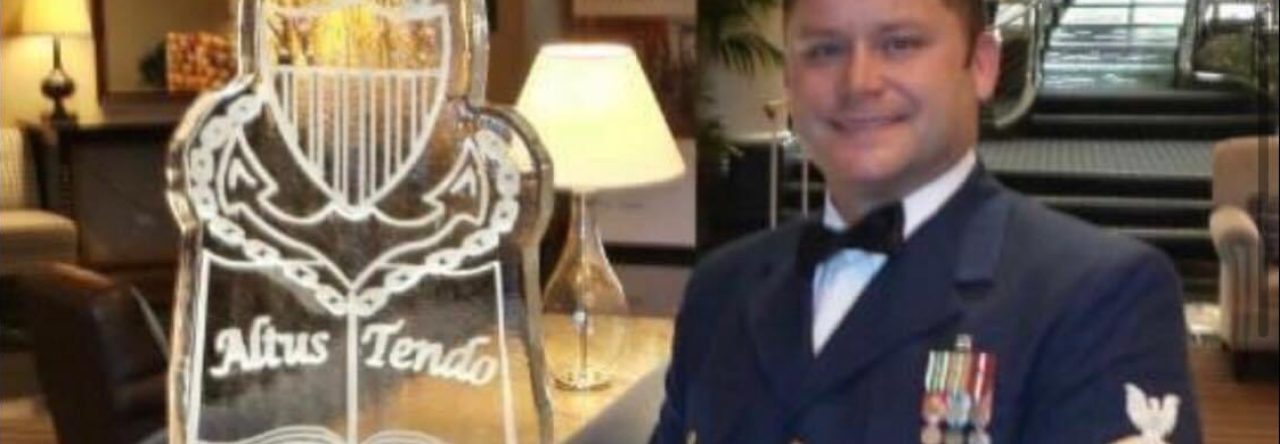
Make It Bold | Be About It | Talk About It 💙 #HUSTLR 🛡I spent 20 Years serving the United States of America. BMCRamsey, Surfman374. It was an amazing career as a Ready for Operations Inspector, Chief of Operations for the Largest Enlisted Unit in the Coast Guard, Small Arms Instructor, Federal Law Enforcement Officer (Boarding Officer) Surfman. I Graduated Airforce NCOA, USCG Chiefs Academy Altus Tendo. Instructor Development School, Advanced Outdoor Film and Production School, and from 2005-2021 held a 100Ton MMD Captian License. I received the Associations for Rescue’s at Sea Gold Medal in Washington D.C. along with numerous other Medals and Awards for Rescues 100’s of 1000’s in 20 years serving. Yes I’m 100% Percent Disabled 100% Service Connected 100% Combat Related don’t let it stop me. Life is yours enjoy it create it Daily. Proud Retired Chief Loving Man, Veteran, and Father. #DepartmentofHomelandSecurity MLEA U.S. Coast Guard Boarding Officers & Boarding Team Members. It’s #SetStandard #TacticsTechniques #TheUseofForce God Bless my prayers for #FLEO’s Every Believer U.S. Department of Homeland Security #surfman374 #rigsreefclassicspearfishing #gatorgripphd #pullsetgrip #chief #LEO #LifeMatters #protectandserve ❤️🤍💙”God Bless Founder #DMR @surfman374 #SaltySoulTaxidermy #TripleDigitHunter
rigsreefclassicspearfishing.com
BMC David Michael Ramsey The 374th Surfman USCOASTGUARD DHS Founding Member (503)298-0592 blacknbluepb@yahoo.com Corpus Christi Texas (1115568 USCG Member Number)

Mapping Police Violence +4
Brennan Center for Justice +2
BBC
rblaw.net +7
Encyclopedia Britannica +4
Amnesty International +10

 I’m The 374th Surfman USCG