Addressing illegal gangs and cartels on the southern border requires a multi-agency framework combining federal law enforcement task forces, advanced regional surveillance, and international cooperation. Key strategies include joint task forces, financial disruption, and enhanced physical security. [1, 2, 3, 4]
Law Enforcement and Military Coordination
- Joint Task Forces: The Federal Bureau of Investigation utilizes Safe Streets and Safe Trails task forces alongside the Department of Homeland Security to target transnational criminal organizations. [1, 2]
- Federal Surges: Deploying military and national guard units to assist border personnel with surveillance, intelligence, and logistical support. [1, 2, 3, 4]
- Targeting Leadership: Focusing investigative power on high-level cartel bosses and financiers rather than low-level operatives to fracture command structures. [1]
Financial and Technological Controls
- Anti-Money Laundering: Enforcing strict financial oversight to cut off the illicit flow of cash and funds used by gangs to operate.
- Surveillance Technology: Deploying modern tools like radar systems, drones, and remote video sensors to monitor illegal crossings and smuggling tunnels.
- Visa Screening: Utilizing immigration laws to deny entry and visas to known or suspected gang affiliates before they reach the border. [1, 2, 3, 4]
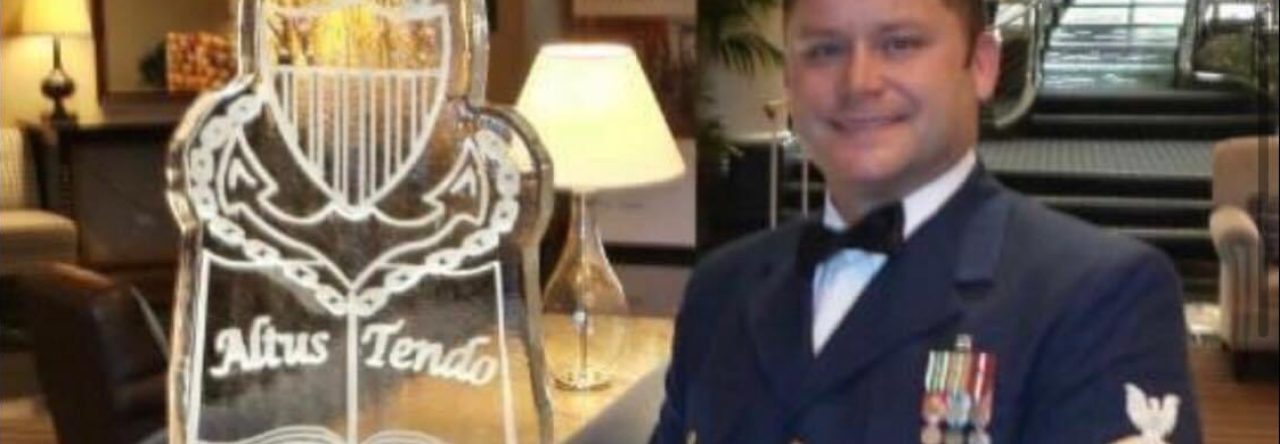
 I am BMC David Michael Ramsey The 374th Coast Guard Surfman this Is My Personal Website I created everything all blogs myself it’s my personal website , my Social Media Accounts were stolen deepfaked ruined Facebook Spearfishing Talk Group my Account David Michael Ramsey Instagram @Surfman374 @rigsreefclassicspearfishing I don’t have access to any social media accounts but YouTube my surfman374 and Wordpress they stole 22 years of data 31 firearms and deepfaked me ruined my Tundra Tacoma and Harley Davidson 1250 (still paying for them even though I have full coverage and gap) and stole my military medical birth records even sold my sperm! Stole My Brand Trademark Patent Yes I’m 100% Disabled Retired USCoastGuard Federal Law Enforcement Officer Small Arms Instructor Chief of Operations Ready For Operations Inspector The 374th Coast Guard Surfman! Unfortunately I was Told I Would Be ShotDead I Return to The Port of Corpus Christi or Portland Texas yes my DNA is over 250,000 years old and yes I’m staying at Hotel Aponte Room 207 Mérida Mexico yes I’m single been single since my third wife took my daughter from me Feb2022. Which is sad because she’s selling my sperm! My Cell is 1-503-298-0592 email blacknbluepb@yahoo.com they even stole the brand trademark patent I built my wallet everything I owned created or did stolen ruined destroyed