
Systemic police corruption in Texas is driven primarily by weak independent oversight, systemic conflicts of interest in investigations, cartel financial influence along the border, and legal mechanisms that allow officers to evade accountability.
While the majority of law enforcement officers act ethically, investigative journalists, federal agencies, and legal watchdogs highlight several structural reasons why corruption persists in certain Texas departments:
1. Ineffective Oversight and Self-Policing
The state heavily relies on the Texas Rangers, an agency within the Texas Department of Public Safety, to investigate local police misconduct. [1]
- Lack of Accountability: Investigations by the Reuters news agency highlight that the Texas Rangers rarely find local police officers at fault in custody deaths or misconduct cases. [1]
- Friendly Venues: Legislative shifts moved the prosecution of public corruption away from specialized centralized units to local prosecutors. This creates cases where local officials are investigated in “friendly counties,” often leading to dropped charges or lack of prosecution. [1]
2. “Bargaining the Badge”
Texas law enforcement officers are frequently able to avoid criminal convictions through loopholes in the licensing system. [1]
- Plea Bargains: A major investigative report by KXAN Austin revealed that hundreds of Texas officers accused of felonies permanently surrendered their peace officer licenses as a bargaining chip. [1]
- No Prison Time: Prosecutors often agree to drop criminal charges or offer plea deals to avoid prison time in exchange for the officer resigning, allowing corrupt individuals to escape jail. [1]
3. Proximity to Drug Trafficking Corridors
The geographic location of Texas—particularly the Rio Grande Valley along the U.S.–Mexico border—creates immense financial temptations.
- Cartel Influence: Vast amounts of drug money flow through border counties, leading to high-profile federal busts of local law enforcement.
- The Panama Unit Scandal: As reported by NPR / CapRadio, an entire specialized narcotics task force in Hidalgo County was sent to prison after officers began stealing seized drugs and escorting cartel shipments for cash. [1, 2]
4. Revenue-Driven Policing (Ticket Policing)
In many smaller Texas municipalities, town leadership leverages the police force as a profit center rather than a public safety entity.
- Profit Over Civil Liberties: Watchdog groups like the Institute for Justice filed lawsuits against towns like Coffee City, Texas, where the police force was expanded to a disproportionate size solely to issue citations and generate massive revenue. [1]
- Internal Misconduct: In these environments, leadership frequently overlooks serious officer infractions—including domestic violence and DWIs—as long as ticket quotas are met. [1]
5. Retaliation Against Whistleblowers
The culture within several Texas sheriff departments actively punishes internal whistleblowers, preventing reform from within.
- Ignored Reports: An Associated Press / PBS investigation revealed that deputies who reported their own sheriffs for illegal property seizures and missing crime reports faced immediate professional retaliation. [1, 2]
- State Inaction: Despite outside police consulting firms recommending criminal investigations into these departments, state watchdogs and local county leaders frequently disregard the findings.
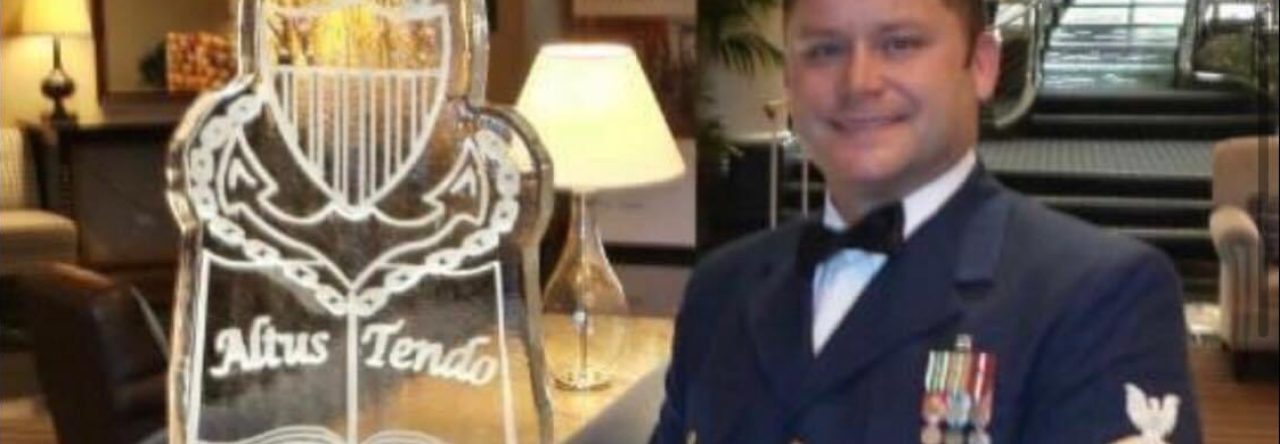
 I am BMC David Michael Ramsey The 374th Coast Guard Surfman this Is My Personal Website I created everything all blogs myself it’s my personal website , my Social Media Accounts were stolen deepfaked ruined Facebook Spearfishing Talk Group my Account David Michael Ramsey Instagram @Surfman374 @rigsreefclassicspearfishing I don’t have access to any social media accounts but YouTube my surfman374 and Wordpress they stole 22 years of data 31 firearms and deepfaked me ruined my Tundra Tacoma and Harley Davidson 1250 (still paying for them even though I have full coverage and gap) and stole my military medical birth records even sold my sperm! Stole My Brand Trademark Patent Yes I’m 100% Disabled Retired USCoastGuard Federal Law Enforcement Officer Small Arms Instructor Chief of Operations Ready For Operations Inspector The 374th Coast Guard Surfman! Unfortunately I was Told I Would Be ShotDead I Return to The Port of Corpus Christi or Portland Texas yes my DNA is over 250,000 years old and yes I’m staying at Hotel Aponte Room 207 Mérida Mexico yes I’m single been single since my third wife took my daughter from me Feb2022. Which is sad because she’s selling my sperm! My Cell is 1-503-298-0592 email blacknbluepb@yahoo.com they even stole the brand trademark patent I built my wallet everything I owned created or did stolen ruined destroyed