+7
Colombia, Peru, and Bolivia are the world’s top nations for cocaine cultivation, as the coca plant requires the unique geographic and climatic conditions of the Andean region in South America. According to reports from the United Nations Office on Drugs and Crime (UNODC) and global tracking data, these three nations control virtually the entire global supply of illicit coca cultivation. [1, 2]1. ColombiaGlobal Share: Accounts for roughly 60% to 70% of total global cultivation and potential cocaine production.Cultivation Area: Reached historic highs of over 230,000 to 253,000 hectares of farmland dedicated to coca crops.Key Factor: Growers continue to utilize improved, higher-yielding variants of the coca plant alongside modern harvest cycles to maximize efficiency. [1, 2, 3, 4, 5]2. PeruGlobal Share: Consistently ranks as the world’s second-largest producer.Cultivation Area: Encompasses roughly 93,000 hectares under active cultivation according to the UNODC.Key Factor: While localized cultivation spaces fluctuate, Peru is a foundational pillar of the global market, producing massive volumes of both raw coca leaves and refined paste. [1, 2, 3]3. BoliviaGlobal Share: Ranks third globally, with a significantly smaller share than its neighbors.Cultivation Area: Stands at roughly 31,000 hectares.Key Factor: Unlike Colombia and Peru, Bolivia allows a strictly regulated, legal market for traditional, cultural, and medical use of the coca leaf, though illicit surpluses still bleed extensively into global trafficking networks. [1, 2, 3, 4]Minor Cultivation and Transit HubsWhile commercial-scale cultivation is isolated to the Andes, eradication and media data published via the UNODC’s World Drug Reports reveal that small-scale experimental plots have occasionally emerged in neighboring nations like Ecuador, Venezuela, and Honduras. [1, 2, 3, 4]Furthermore, nations like Brazil and Mexico do not cultivate major coca crops but act as the primary transnational launch pads and cartel corridors for trafficking refined cocaine into consumer markets in North America and Europe. [1, 2, 3]
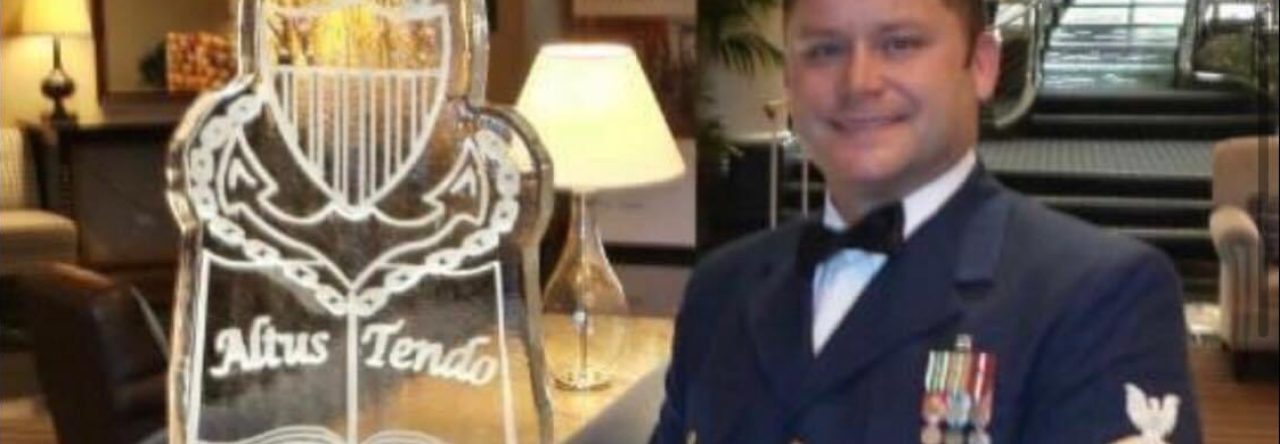
 I am BMC David Michael Ramsey The 374th Coast Guard Surfman this Is My Personal Website I created everything all blogs myself it’s my personal website , my Social Media Accounts were stolen deepfaked ruined Facebook Spearfishing Talk Group my Account David Michael Ramsey Instagram @Surfman374 @rigsreefclassicspearfishing I don’t have access to any social media accounts but YouTube my surfman374 and Wordpress they stole 22 years of data 31 firearms and deepfaked me ruined my Tundra Tacoma and Harley Davidson 1250 (still paying for them even though I have full coverage and gap) and stole my military medical birth records even sold my sperm! Stole My Brand Trademark Patent Yes I’m 100% Disabled Retired USCoastGuard Federal Law Enforcement Officer Small Arms Instructor Chief of Operations Ready For Operations Inspector The 374th Coast Guard Surfman! Unfortunately I was Told I Would Be ShotDead I Return to The Port of Corpus Christi or Portland Texas yes my DNA is over 250,000 years old and yes I’m staying at Hotel Aponte Room 207 Mérida Mexico yes I’m single been single since my third wife took my daughter from me Feb2022. Which is sad because she’s selling my sperm! My Cell is 1-503-298-0592 email blacknbluepb@yahoo.com they even stole the brand trademark patent I built my wallet everything I owned created or did stolen ruined destroyed