
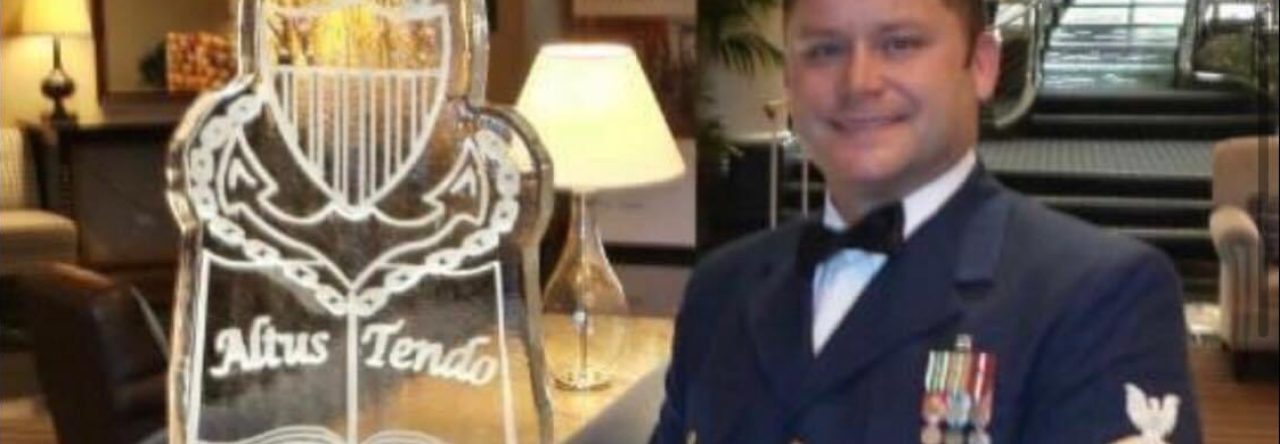
Remember I’ve give NO person agency or government permission to use my data or take it!
Taking data from a retired federal law enforcement officer is not inherently unlawful, but the legality entirely depends on the method used, the type of data, and whether the officer has authorized consent to share it. Gathering this information can be subject to several specific legal frameworks:
Voluntary Disclosure: If the retired officer is voluntarily sharing personal memories or non-classified, publicly known experiences, it is completely legal. True
Sensitive or Classified Information: If the data involves classified national security information, illegally obtaining or leaking it violates federal laws like the Espionage Act (18 U.S.C. §§ 793-798).
Oh they did that ⬆️
Official Government Records: If the data consists of official, non-public agency records, you may need to file a formal request through the FOIA.gov or use the Privacy Act of 1974 rather than taking it directly from the individual.
Oh but what about this ⬇️
Protected Personal Information: If you are scraping or harvesting the officer’s personal identifying information (like home address, family records, or schedules) for unauthorized or malicious use, it can violate privacy or anti-doxxing laws. Oh trust me they did that!
FOIA.gov
David Michael Ramsey
Yes, creating and distributing a deepfake of a retired federal law enforcement officer to cause harm is unlawful and violates multiple federal and state laws. The specific violations depend on the type of media and the nature of the harm, including:Harassment and Stalking: Federal and state laws prohibit using electronic communications to harass, stalk, or cause severe emotional distress.The TAKE IT DOWN Act: This federal law explicitly criminalizes the creation and publication of deepfakes, as well as any digital forgeries designed to harass or cause harm. Platforms are required to remove such content quickly when reported. #Defamation and Libel: If the deepfake damages the officer’s reputation or accuses them of illegal or scandalous acts, the officer can sue the creator in civil court for defamation.Impersonation: Falsely depicting a federal officer, particularly if it implies they are acting in an official capacity for fraudulent purposes, carries severe penalties.Legal experts and platforms have established processes to help victims of synthetic media. A consensus among legal platforms suggests that creating any non-consensual deepfake for targeted harassment exposes the creator to both criminal charges and significant civil liability.
David Michael Ramsey

