
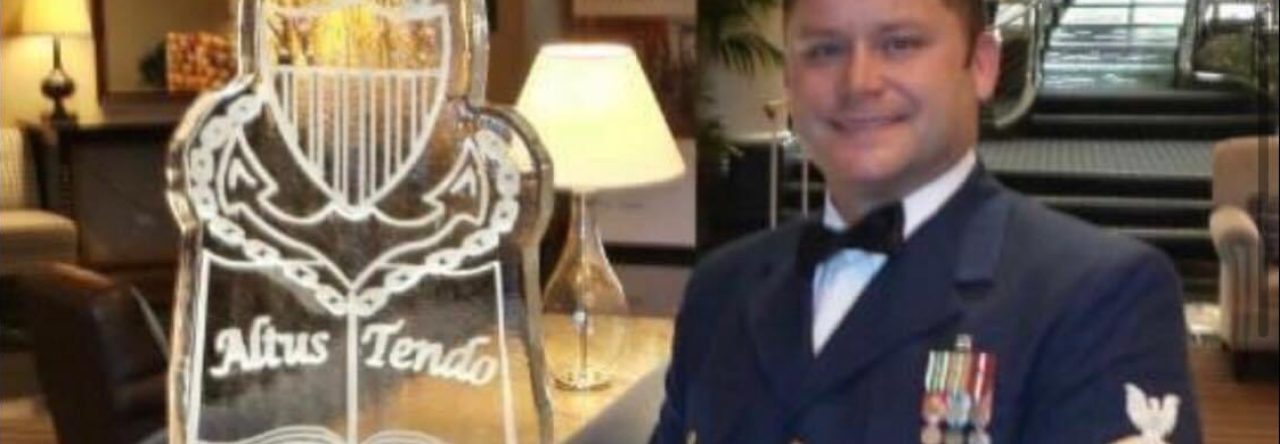
America frequently falls short in supporting its heroes—such as veterans, first responders, and whistleblowers—due to systemic issues like bureaucratic gridlock, underfunded social programs, and shifting political priorities. Once the immediate crisis passes, the transition from veneration to sustained, practical support often breaks down, leaving individuals to navigate complicated systems alone. [1, 2, 3]
The failure to provide long-term care, financial security, and societal reintegration stems from several key factors:
- Bureaucratic Inefficiency: Complex administrative systems often delay or deny essential benefits. Navigating agencies like the Department of Veterans Affairs requires immense patience, and bureaucratic red tape can delay crucial healthcare and disability processing. [1]
- Funding and Prioritization: While public rhetoric heavily praises heroes, this gratitude does not always translate into sustained budgetary commitments. Social programs, mental health resources, and pensions are frequently subjected to legislative debate and funding cuts. [1]
- The “Hero” Myth: Society often views heroes as invincible. This idealized image creates unrealistic expectations and makes it difficult for the public to recognize the human struggles—such as PTSD, physical injuries, or financial hardship—that these individuals face long after their moment of valor.
- Institutional Disconnect: Whistleblowers and individuals who challenge systemic corruption often face retaliation, job loss, or legal trouble because their actions disrupt established institutions, illustrating a divide between protecting the system and protecting the individual.

