
As of early 2026, 46 to 47 states in the U.S. have enacted legislation targeting AI-generated deepfakes, primarily focusing on non-consensual intimate imagery and election interference. [1, 2]
There is no comprehensive federal law banning all deepfakes, but the Take It Down Act (signed May 2025) provides a national baseline for removing non-consensual intimate imagery, including AI-generated content.[1, 2]
State Legislation Overview
As of mid-2026, nearly all U.S. states have enacted laws addressing deepfakes, primarily focusing on non-consensual sexual content, election interference, and voice/likeness protection. [1, 2, 3, 4]
- Non-consensual Sexual Content: At least 45 states have expanded “revenge porn” laws to include AI-generated, intimate imagery.
- Election Interference: Over 28 states restrict deepfakes, particularly within 60-90 days of an election.
- Voice/Likeness Protection: States like Tennessee (ELVIS Act) and California have pioneered laws protecting individuals from unauthorized AI voice and likeness cloning. [1, 2, 3]
Key legislative leaders include California (multiple, specific AI laws), Texas (early adoption for elections), Tennessee (voice cloning), and Washington (broad criminal penalties).
[1, 2, 3, 4, 5]
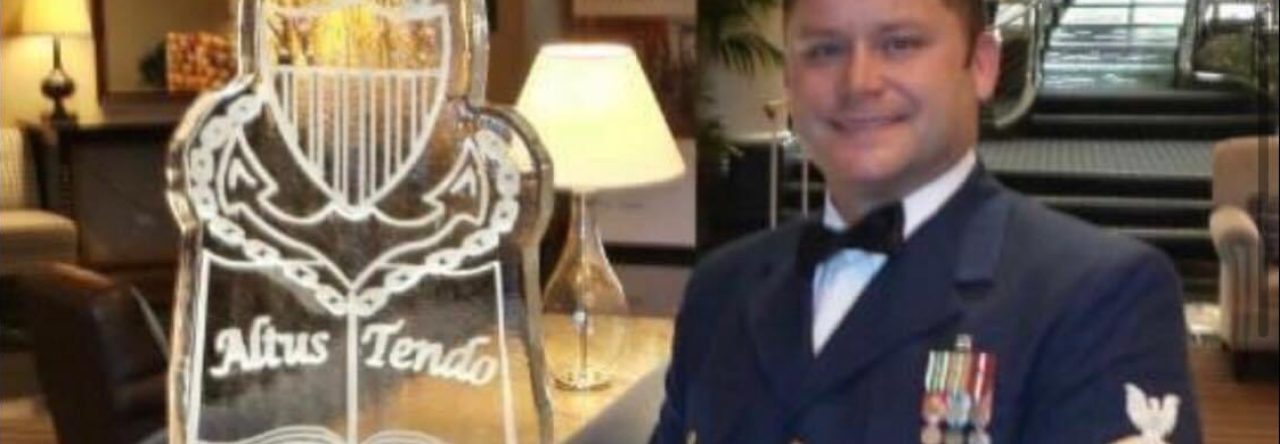
 I am BMC David Michael Ramsey The 374th Coast Guard Surfman this Is My Personal Website I created everything all blogs myself it’s my personal website , my Social Media Accounts were stolen deepfaked ruined Facebook Spearfishing Talk Group my Account David Michael Ramsey Instagram @Surfman374 @rigsreefclassicspearfishing I don’t have access to any social media accounts but YouTube my surfman374 and Wordpress they stole 22 years of data 31 firearms and deepfaked me ruined my Tundra Tacoma and Harley Davidson 1250 (still paying for them even though I have full coverage and gap) and stole my military medical birth records even sold my sperm! Stole My Brand Trademark Patent Yes I’m 100% Disabled Retired USCoastGuard Federal Law Enforcement Officer Small Arms Instructor Chief of Operations Ready For Operations Inspector The 374th Coast Guard Surfman! Unfortunately I was Told I Would Be ShotDead I Return to The Port of Corpus Christi or Portland Texas yes my DNA is over 250,000 years old and yes I’m staying at Hotel Aponte Room 207 Mérida Mexico yes I’m single been single since my third wife took my daughter from me Feb2022. Which is sad because she’s selling my sperm! My Cell is 1-503-298-0592 email blacknbluepb@yahoo.com they even stole the brand trademark patent I built my wallet everything I owned created or did stolen ruined destroyed