Don’t touch my pizza cake n pie

Air strikes are authorized by the U.S. President using constitutional authority, often relying on broad congressional authorizations like the 

2001 AUMF(Authorization for Use of Military Force) for terrorism, or through specific Congressional approvals, with recent examples including Biden’s strikes in Yemen/Syria and Trump’s actions against Iranian targets and alleged drug traffickers, sparking debate over the scope of executive war powers. 

Who Authorizes Them?

  • The President: The Commander-in-Chief holds significant authority to order strikes, often citing Article II of the Constitution for self-defense or advancing national interests.
  • Congress: Congress can grant broad authority through resolutions, like the 2001 AUMF for 9/11-related threats, or provide specific authorizations. 

Legal Frameworks & Debates

  • 2001 AUMF: A post-9/11 law allowing force against those who planned or aided the attacks, its scope has been expanded by successive presidents to include various groups and actions.
  • War Powers Resolution (1973): Requires presidential consultation with Congress before introducing forces and limits deployment time without authorization, though presidents often bypass this.
  • Recent Examples:
    • Biden: Authorized strikes in Yemen and Syria, using the 2001 AUMF, drawing criticism for expanding its reach.
    • Trump: Ordered strikes on Iran and against drug traffickers, citing inherent presidential powers and the AUMF, leading to Congressional challenges. 

Key Takeaway: Authorization isn’t always a single, clear-cut approval; it’s a mix of constitutional interpretation, broad AUMFs, and political negotiation, often leading to debate over executive power versus congressional oversight. 

“Blasting Canyons”  ♠️♥️♣️♦️🃏

usually refers to an indie rock band from San Francisco known for energetic, mutant-themed music, but it can also relate to the massive, explosive mining at Utah’s Bingham Canyon Mine (Kennecott Copper Mine) where blasts are a common spectacle, or even to geological formations created by asteroid impacts, like those on the Moon. Essentially, it’s about powerful forces creating dramatic, rocky landscapes, whether musical, geological, or industrial. 

Music:

  • Blasted Canyons (Band): An indie band featuring members from Wax Idols, they describe their sound as “drag race music for mutants”.
  • Sound: Energetic, garage-rock-infused, with tracks like “Death and a Half” and “Fries Yr Eyes”. 

Mining & Industry:

  • Bingham Canyon Mine (The Pit): A massive open-pit copper mine where frequent, controlled explosions (blasting) are used to excavate rock, creating spectacular sights for visitors. 

Geology (Lunar):

  • Lunar Canyons: Scientists identified massive canyons (like Vallis Planck) on the Moon formed by colossal asteroid impacts that “blasted” the surface, moving debris at incredible speeds. 

Gaming:

  • Red Faction: A classic multiplayer map in the game Red Faction, known as “Blasted Canyon,” featured intense combat within a canyon setting. 

In summary, “blasting canyons” evokes images of powerful destruction and creation, fitting for loud music, giant mines, or ancient cosmic events. 

People blast canyons for dams to remove rock, create stable foundations, widen channels for spillways (like ramps for overflow), or even to deliberately remove old dams (like Elwha River) to restore natural river flow and fish passage, using explosives to break up concrete and rock for demolition and site clearing, all while managing seismic impacts for safety. 

Why blasting is used in dam construction/modification:

  • Foundation Preparation: To excavate bedrock and create a stable, level base for the massive concrete or earthen structure to sit on, ensuring its long-term stability.
  • Spillway Construction: To create large ramps or channels (spillways) that safely guide excess water over or around the dam during floods, preventing erosion and catastrophic failure.
  • Dam Removal/Restoration: As seen with the Elwha River Restoration Project, explosives are used to precisely break down concrete sections, allowing the river to flow freely and ecosystems to recover.
  • Quarrying: Blasting removes large quantities of hard rock (aggregate) from nearby canyon walls, which is then used as material to build the dam itself. 

“you can’t steal your data” RCS SandPounder USLSS USCG DHS 🇺🇸🛟💙🎵 – Surfman374 BMCRamsey DavidMichaelRamsey Portland Texas rigsreefclassicspearfishing.com 71,000posts #AhLaVerga

#ChesterRBenderAward #WestCoastCoastGuard #WashingstonStateCoastGuard #AmericanLegionCoastGuard #OilsSpills #Hurricanes #GunsDrugsHookers #Mexico #Texas #Oregon #Washington #Alaska #CapeMay #JerseyShore #Destin #District8 #District13 #district17 rigsreefclassicspearfishing.com

David Michael Ramsey @highlight – Anna Paulina Luna Tulsi Gabbard Secretary Kristi Noem Alexandria Ocasio-Cortez Mayra Flores U.S. Coast Guard Kristi Noem Association for Rescue at Sea, Inc. – AFRAS Go Coast Guard #DMR (DoMoreRight) DavidMRamsey Initially Initiated

implies an attempt to secure information, but data theft (also known as information theft) is the illegal transfer or storage of personal, confidential, or financial information. When this happens, an unauthorized person copies or duplicates information for their own use, not physically removes it, and it can certainly be stolen. 

To protect your data and minimize the risk of it being stolen, you can take several essential cybersecurity steps. 

Key Practices to Protect Your Personal Information

  • Use Strong, Unique Passwords and Two-Factor Authentication (2FA) Protect your online accounts by creating complex passwords and enabling 2FA whenever possible. Consider using a password manager to help manage unique credentials for all your accounts.
  • Keep Software Up to Date Criminals often exploit weaknesses in outdated software. Enable automatic updates for your operating systems, web browsers, and apps to ensure you have the latest security patches.
  • Encrypt Your Devices Encryption helps prevent unauthorized access to the data stored on your devices, external hard drives, and USB drives if they are lost or stolen.
  • Be Cautious with Public Wi-Fi Public Wi-Fi networks are often unsecure and targeted by hackers. Avoid accessing sensitive data or conducting financial transactions when connected to public Wi-Fi. A Virtual Private Network (VPN) can add a layer of security.
  • Manage App Permissions Be mindful of which apps you allow to access your location, contacts, or photos. Review app permissions regularly and remove access for any apps you don’t use or that request unnecessary data.
  • Monitor Your Accounts Regularly check your financial and online accounts for any unusual activity. You may also sign up for free annual credit reports to monitor for identity theft.
  • Avoid Phishing Scams Be wary of suspicious links or messages, as they can install malware or spyware that grants hackers access to your data. 
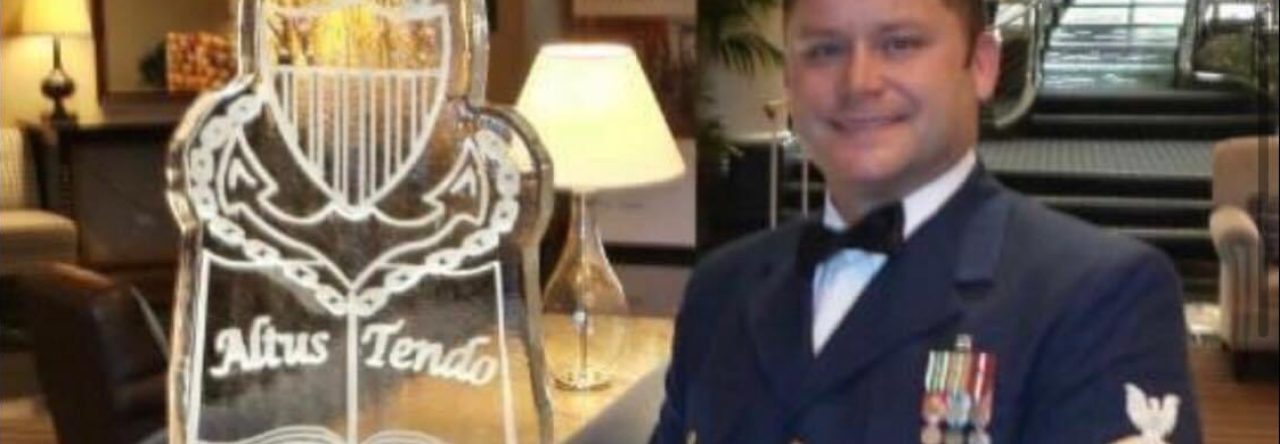
  • Make It Bold | Be About It | Talk About It 💙 #HUSTLR 🛡I spent 20 Years serving the United States of America. BMCRamsey, Surfman374. It was an amazing career as a Ready for Operations Inspector, Chief of Operations for the Largest Enlisted Unit in the Coast Guard, Small Arms Instructor, Federal Law Enforcement Officer (Boarding Officer) Surfman. I Graduated Airforce NCOA, USCG Chiefs Academy Altus Tendo. Instructor Development School, Advanced Outdoor Film and Production School, and from 2005-2021 held a 100Ton MMD Captian License. I received the Associations for Rescue’s at Sea Gold Medal in Washington D.C. along with numerous other Medals and Awards for Rescues 100’s of 1000’s in 20 years serving. Yes I’m 100% Percent Disabled 100% Service Connected 100% Combat Related don’t let it stop me. Life is yours enjoy it create it Daily. Proud Retired Chief Loving Man, Veteran, and Father. #DepartmentofHomelandSecurity MLEA U.S. Coast Guard Boarding Officers & Boarding Team Members. It’s #SetStandard #TacticsTechniques #TheUseofForce God Bless my prayers for #FLEO’s Every Believer U.S. Department of Homeland Security #surfman374 #tripledigithunter #chief #LEO #LifeMatters #protectandserve ❤️🤍💙”God Bless Founder #DMR @surfman374

If you believe your personal information has been compromised, you should report it and get a recovery plan through the Federal Trade Commission’s official site, IdentityTheft.gov

#ChesterRBenderAward #WestCoastCoastGuard #WashingstonStateCoastGuard #AmericanLegionCoastGuard #OilsSpills #Hurricanes #GunsDrugsHookers #Mexico #Texas #Oregon #Washington #Alaska #CapeMay #JerseyShore #Destin #District8 #District13 #district17 rigsreefclassicspearfishing.com

David Michael Ramsey @highlight – Anna Paulina Luna Tulsi Gabbard Secretary Kristi Noem Alexandria Ocasio-Cortez Mayra Flores U.S. Coast Guard Kristi Noem Association for Rescue at Sea, Inc. – AFRAS Go Coast Guard #DMR (DoMoreRight) DavidMRamsey Initially Initiated

BMC David M Ramsey USCG DHS

(503)298-0592

blacknbluepb@yahoo

Portland Texas (Single Solo safer) 🎵💙🛟🇺🇸

What Are We Really Fighting 🛟

The term “floating” in relation to human trafficking generally refers to two distinct concepts: 

“floating” as a descriptor for mobile or transient populations vulnerable to exploitation, and “floating” as a linguistic term (a “floating signifier”) used in academic debate. Additionally, human trafficking occurs in maritime contexts, such as on fishing vessels or in floating villages. 

Vulnerability of “Floating” Populations

The term “floating migrants” is used in some contexts, such as in the Colombian armed conflict, to describe sex workers who are itinerant, constantly moving between different regions and conflict zones to evade violence and seek better economic opportunities. These individuals may be more vulnerable to exploitation due to their lack of permanent residence and formal support systems. 

In Cambodia, humanitarian groups work with people living in “floating villages” on the Tonle Sap River who lack documentation and proper education, making them susceptible to human trafficking for forced labor or sex work. 

Maritime Trafficking

Human trafficking is a significant problem in the maritime industry, particularly in certain sectors of the fishing industry. 

  • Forced Labor at Sea: Workers on fishing vessels, especially those operating in international waters away from law enforcement oversight, are often subjected to forced labor, extreme hours, violence, and abuse. Some ships transfer their catch to other vessels at sea, allowing workers to be trapped for years with little hope of escape.
  • Border Security: Countries like Bangladesh have established “floating Border Observation Posts (BOPs)” to specifically prevent smuggling and human trafficking along their riverine borders.
  • Human Smuggling: Maritime vessels are also used for human smuggling, which can sometimes be linked to human trafficking operations. 

“Trafficking as a Floating Signifier” in Academia 

In academic and policy debates, “trafficking” is sometimes described as a “floating signifier”. This means the term can be interpreted in different ways depending on who is using it. For example, some groups use the term to focus on criminalizing all forms of prostitution, while others emphasize the need to distinguish between voluntary migration for sex work and forced trafficking. This ambiguity can impact policy and law enforcement efforts to identify and assist actual victims. 

Getting Help or Reporting Trafficking

If you or someone you know might be a victim of human trafficking, resources are available:

Fictional depictions of the Knights Templar, particularly in urban fantasy and role-playing games, portray them as a secret society that battles a wide array of supernatural creatures

Common foes include:

  • Werewolves
  • Vampires
  • Demons and fallen angels
  • Necromancers and creatures they control
  • Revenants (animated corpses with an appetite for blood)
  • Mages and sorcerers 

In the White Wolf Wiki universe, the Templars also face:

  • Heretics and pagans
  • Various cryptids (such as a massive fire-breathing dog and a half-alligator, half-wolf sewer troll)
  • Gargoyles (a type of vampire created by magic) 

In the Dragon Age video game series, the Templar Order is specifically created to guard mages and fight against demons that use magical rifts to enter the world. 

These modern fictional interpretations contrast sharply with the historical Knights Templar, who were a real medieval military order that fought human combatants during the Crusades. 

The medieval military order, active during the Crusades, fought against human combatants (primarily Muslim forces) and had rivalries with other Christian military orders like the Hospitallers.

However, the idea of the Knights Templar fighting werewolves is a popular theme in modern fiction, fantasy role-playing games, and other entertainment media.

Werewolves in Fiction and Lore

  • Modern Books: The concept is notably featured in the middle-grade/YA book series The Templar Chronicles by Jeff Gunhus, specifically in the fourth book, Jack Templar and the Lord of the Werewolves. In the book’s narrative, the modern-day “Black Guard” (descendants of the Templars) hunt various monsters, including werewolves.
  • Role-Playing Games: In the White Wolf Wikiuniverse (associated with role-playing games like Vampire: The Masquerade), a fictional version of the Knights Templar serves a “Sacred Congregation” and fights against various supernatural creatures, including werewolves, mages, and vampires.
  • Art and Music: The theme is also used in creative works such as YouTube videos that feature “Templar Chant & Battle Music | When Knights Faced the Werewolves” and concept art for fantasy settings.

In reality, medieval werewolf beliefs largely consisted of trials and folklore surrounding individuals accused of being werewolves, rather than organized battles by military orders. The historical Knights Templar were eventually persecuted and disbanded by King Philip IV of France and Pope Clement V in the early 14th century for political and financial reasons.

The Knights of the Temple of Solomon, often called Knights Templar or Templars for short, formally called the Military Order of the Poor Knights of the Temple of Solomon, are a magickal order of knights dedicated to God.

Paradigm

The Templars are defined by an unrelenting faith in God. Unlike the vague and ill-defined One that the Chorus reveres, the God that the Knights Templar revere is unmistakable and uncompromisingly Christian. Individual denominations may not play as large a role as they used to, but no Muslim, Hindu or Jew has ever found entry into the Knight Templars. Beyond that, there is a large leeway on what the Templars will accept as proper Christianity.

The number of Awakened mages among the Templars was never high and their doctrine did not cater to them. The Knights Templar are knights first and mages second. Despite this, they see the Ascension War as ultimately misguided. It is not a war for Ascension that mages should fight, but the war of the Apocalypse. The Adversary marshals his forces and when Christ eventually returns, there will be only two kind of people: The damned and the saved. The Knight Templars intend to stand at the right side of Christ, protecting the saved from Hell’s depredation and focus all their attention on this goal. The modern Technocratic Union, however, is regarded as the Adversaries main tool and so, strikes against them are encouraged.

The magickal practices of the Templars resemble Theurgy, only backed up by Spheres instead of linear magic. The Spheres, for those that are studious, are explained to be emanations of God, and many Templars are also adept at wielding linear magic, which they don’t really distinguish from each other. The Templars mainly focus on ForcesLifeMind, or Prime. Several members also wield True Faith.

History

The history of the Knights Templar begins in 1119 CE, when Muslims raided a group of pilgrims, killed most of them and took the rest of them prisoner. Nine knights swore an oath to protect Christendom and traveled to the Holy Land. Named after their quarter in the residence of King Baldwin III in Jerusalem, until they were formed into an official military order at the Council of Troyes in 1128. Their order, now with new guidelines, began to attract new members from all across Europe. One of their numbers was Sir David de Bracy, an initiate into the Cabal of Pure Thought, along with three compatriots. Gabrielite mindsets began to shape the order into its later form.

The duties of the new Templar Knights was the protection of the faithful from infidels, which included also several supernatural creatures, under them the mages of the Ahl-i-Batin. Serving the Sacred Congregation, the Templars also fought pagans, heretics and monsters like werewolves that threatened the people’s safety. Next to this duty, the Templars also became great financiers and money-lenders, whose influence began to rival that of nobles and bishops. At the same time, the Templars became more and more suspect in their own homelands. Many spoke Arabic and had adopted foreign customs. When Jerusalem fell, rumors circulated that painted the Templars as heretics, in league with the hashasheen or similar groups. The new goal of the Templars became the reconquest of the Holy Land, but they would never reach that goal.

King Philip the Fair of France, deeply in debt to the Templar Order, conspired with his stooge, Pope Clement V, to seize the wealth of the Templars for himself. Some believe that vampires (one vampire in particular) or vengeful mages also played a role in the decision. Under accusations of heresy, the Templar Order was hunted across its lands, its property confiscated and its members tortured until they confessed their heresy (along with several other charges like sodomy and devil worship) and accused others of their order of complicity. The last Grand Master, Jacques de Molay, confessed under torture, then later recanted, claiming that his only sin was admitting fraudulent guilt and called for Clement and Philip to join him at God’s throne inside this year. Burned at the stake as a heretic in 1314, the papacy officially dissolved the order, seemingly ending them for good. Under mysterious circumstances, both Clement and Philip died in the same year they sentenced de Molay to death.

In secret, de Molay had been warned by the Cabal. He had raised a new Grand Master before his arrest, Henri du Marquet, who fled with a few selected knights and the main treasury to the hidden fortress Montsalvat in the Pyrenees. The survivors pledged themselves to the Gabrielites and joined their numbers.

The Order of the Templars are also said to have maintained ties with the Messianic Voices mages, though relations between them began to deteriorate. However, the influence of the mages waned in the early 12th century, and many Cainite knights of faith joined the Order — primarily Salubri warriors, Malkavians, and especially VentrueBrujah were rare, though a few, mostly Prometheans, did join. This is likely one of the reasons why the Tremere regent of Paris, Goratrix, orchestrated the downfall of the Order in 1307, by manipulating Guillaume de Nogaret, advisor to King Philip IV the Fair.

Renaissance

In 1325, several reason mages and artificers met at the White Tower of Languedoc. The Cabal of Pure Thought, and with them the Knight Templars, joined the Order of Reason to found a world free from the tyranny of the supernatural, where the common man would live without fear under one church and one God. The Templars would become the orders most valuable warriors, and were outfitted by the Artificers with the best weapons and armor they could create. As part of the Venatores of the Cabal of Pure Thought, the Templars fought at the frontlines of the early Ascension War against the Traditions, which they regarded as blasphemers and heathens. While the world believed them dead, the Templars continued to prosper.

During the Reformation, the Templars were forced to abandon the idea of “one church”, instead accepting members from all Christian denominations. Still, the majority remained Catholic and disputes weakened the order. The Cabal, in their turn, focused on finding a way to transcend the perceived weakness of the Christian faith, while the rest of the Order began to see religion as a hindrance to unite humanity.

Victorian Age

In the 1837, envoys of the Cabal of Pure Thought arrived at Montsalvat with dire news: the Order of Reason had decided to abandon religion altogether. The Templars were to forswear their faith and dedicate themselves to fight solely the enemies of Reason, to which they also counted believers. Outraged, the Templars mounted their defenses, but the Order of Reason arrived earlier than estimated and their troops were a new breed of Hyper Intelligence Technologies. The Knight Templars fought valiantly, but were betrayed by sympathizers from within, who opened the new machines the way into the fortress. Numerous Templars, including its Grand Master, Roland III, died and they seemed to have been finally extinguished.

In secret, Roland had appointed a new successor, Christopher the Just. Christopher had lead a handful of survivors into hiding. The new Templars went deeply into hiding, with an apocalyptic sentiment spreading among their numbers. The Order of Reason had become corrupt and spread atheism and disbelief, which would weaken the flock before the inevitable rise of the forces of Hell. The only way to counter them was to build a new Christendom, which would unite humanity under one church as it was meant to be. To continue this mission, the survival of the order became even more important, with all members being sworn into absolute secrecy.

Modern Nights

As the Technocracy tightens its grip across the world, the Templars operate deep undercover. Some curmudgeons have pointed out that the Knight Templars have become exactly like the old Cabal of Pure Thought, manipulating people from the shadows and acting behind the scenes. Most have accepted this as a necessity of the modern age.

Around the 2000s, the Templars experienced a schism. A part of their members defected to the Celestial Chorus, citing greater chances of winning against the Technocracy when fighting with allies, along with other progressive reasons like the acceptance of women. Other remaining Templars have been contacted by members of the Disparate Alliance, whose members include nearly as much heathens as the Council of Nine. It remains to be seen what way the Templars will choose in the future.

Organization

The Templars are lead by a single Grand-Master, whose location is a closely guarded secret. Under him are nine seneschals, who act as an advisory council and also act as commanders of specific purviews, like the finances of the Temple or its military goals. Under them are marshals, who are the administrators of the Templar presence in a whole country. Below them are the preceptors, who oversee the preceptories that are spread across the globe and act as safehouses for their numbers. Below them are the rank-and-file, the Knight-Brothers, and the Knight-Aspirants, who seek entry into their order. A fully awakened Templar is also referred as a knight-magus, but Awakening is not necessary for advancement. A distinguished Templar might gain the title Seargant of the Covenant, which is a reward for excellent service.

To ensure the establishment of a new Christendom, the Templars heavily fund in christian universities, publishing houses and think tanks to counter the materialistic atheism of modernity. Many work to inspire christian virtues and ethics by example and carry this into boardrooms and financial regulation meetings. Members have to tithe 10% of their income into the reserves of the order, which are still massive and give the Templars strong financial influence.

The Knight Templars are an all-male order. Those who wanted reform left for the Chorus, leaving only hardliners behind. Any Templar who leaves the order is sentenced to death to avoid their secrets falling in the wrong hands. It is unknown if that sentence has been imposed on the schismatics that joined the Traditions.

Version Differences

(…)

Trivia

The Knights of the Temple of Solomon are styled after the historical Knights Templars and the numerous conspiracy theories surrounding them.

References

Mage: The Ascension 20th Anniversary Edition – Disparate AllianceAhl-i-Batin · Bata’a · Hollow Ones · Knights of the Temple of Solomon · Kopa Loei · Ngoma · Orphans · Sisters of Hippolyta · Solificati · Taftâni · Wu Lung

MORE INFORMATION

CategoriesMore Fandoms

Community content is available under CC-BY-SAunless otherwise noted.

MORE WHITE WOLF WIKI

Just for YouTrending PagesPopular Pages

Fandom logo
Fandom App logo
Store icon

Take your favorite fandoms with you and never miss a beat.

The First Lady

“Karankawa woman” refers to a woman of the Karankawa people, Indigenous inhabitants of the Texas Gulf Coast, known for their unique culture, survival adaptations (like body painting & canoeing), and resilience, with modern descendants actively reviving their heritage despite historical myths of extinction, embracing identity through spirituality and community.
Key Aspects of Karankawa Women:
Cultural Identity: They are part of a proud lineage, with current women like Chiara “Sunshine” Beaumont preserving traditions and leading cultural revitalization efforts.
Body Art: Married women traditionally painted their entire bodies, while unmarried women wore simple stripes; they also used charcoal for mourning.
Resilience & Survival: Karankawa women, alongside their communities, adapted to colonial pressures, intermarrying or moving, and passing down traditions.
Spirituality: Modern Karankawa women find strength and identity in their deep spiritual connection to their ancestral lands and history.
Challenging Myths: They actively work to counter myths (like extinction or cannibalism) by asserting their continued presence and rich cultural heritage.
Modern Revival:
Descendants, who call themselves “Karankawa Kadla” (mixed people), are reclaiming their history, participating in ceremonies, and educating others about their enduring culture in Texas and Mexico.

David Michael Ramsey rigsreefclassicspearfishing.com surfman374

♠️♥️♣️♦️

Key female trailblazers who helped build America include:
Early Settlers: One of the first English women to arrive and establish a home in the Jamestown colony was Anne Burras in 1608. Cecily Jordan Farrar was another early settler who became a head of household and was involved in the first breach of promise lawsuit in English North America, establishing legal precedents.
Founding Mothers (Revolutionary Era): Women played critical roles in the American Revolution.
Abigail Adams was a key political advisor to her husband John Adams and an early advocate for women’s rights to be considered in the new government.
Martha Washington organized boycotts of British goods and spent half of the Revolutionary War at the front with the General.
Mercy Otis Warren was a prolific writer and propagandist whose political poems and dramas helped stir sentiment for independence.
Deborah Sampson disguised herself as a man to fight in the Continental Army and was the only woman to receive an honorable discharge and a military pension.
Phillis Wheatley was the first published African American poet, using her writing to reflect on the Revolution and the fight for freedom.
Industry and Engineering:
Emily Roebling is often noted as the “first woman field engineer” for her instrumental role in overseeing the completion of the Brooklyn Bridge after her husband fell ill in the late 1800s.
Elsie Eaves became the first woman to be inducted as a full member of the American Society of Civil Engineers in 1927.
Cheryl McKissack Daniel is the modern-day leader of the oldest African-American-owned and female-run construction company in the United States, with a legacy spanning two centuries.
Politics and Social Reform:
Susan B. Anthony was a pivotal leader in the women’s suffrage movement, campaigning tirelessly for the right to vote and helping to bring about the 19th Amendment.
Jeannette Rankin was the first woman elected to the U.S. House of Representatives in 1916.
Frances Perkins became the first female member of a presidential cabinet in 1933 and was the architect of many New Deal programs, including Social Security and the federal minimum wage.
Harriet Tubman was a leading abolitionist who guided hundreds of enslaved people to freedom via the Underground Railroad and served as a spy during the Civil War.
These and countless other women have shaped American history and development in profound ways.

David Michael Ramsey

Oh honor of Anna Paulina Luna Tulsi Gabbard Kristi Noem aka Secretary Kristi Noem and of Course AOC 🎵🇺🇸🛟💙👌✌️💁❤️💕🙏👊👏👍#aoc

Who’s AOC? ~ Alexandria Ocasio-Cortez

rigsreefclassicspearfishing.com

Why pull the trigger

Common myths about snipers, largely perpetuated by movies and popular media, often misrepresent their missions and skills. The reality is that their work involves more patience, planning, and teamwork than is typically portrayed

Key Myths vs. Realities

  • Myth: “One Shot, One Kill” is a rule/guarantee.
    • Reality: This is a philosophy or a goal, not a guaranteed outcome. Hitting a target at long ranges is extremely difficult due to factors like wind, distance, and gravity, which require complex mathematical calculations and spotter corrections. It is common for snipers to fire sighter shots (or miss) before a successful engagement.
  • Myth: Snipers work alone as “lone wolves” or rogue agents.
    • Reality: Snipers almost always work in teams, most commonly a two-person team consisting of a shooter and a spotter. The spotter is often the team leader, responsible for target identification, range estimation, wind calls, and overall mission prep, making them a crucial part of the mission’s success.
  • Myth: Snipers always go for headshots.
    • Reality: The head is a small, constantly moving target, making it unreliable for a kill shot in a combat situation. Snipers typically aim for the center of mass (the chest or pelvic area), which presents a much larger and more reliable target to ensure the best chance of incapacitating the enemy quickly. Police snipers, in specific hostage scenarios, may aim for the head, but this is a very different, short-range scenario.
  • Myth: Snipers’ missions are primarily about killing.
    • Reality: A sniper team’s primary role is often reconnaissance and intelligence gathering(ISR). They observe enemy movements, positions, and patterns of life for hours or days at a time, providing critical, real-time information to commanders that cannot always be obtained by drones or satellites.
  • Myth: Snipers are emotionless sociopaths or superheroes.
    • Reality: Snipers are highly trained soldiers who require immense discipline, patience, and emotional stability. They are human and chosen for their conscientiousness and ability to manage extreme stress, not a lack of conscience.
  • Myth: The rifles are super-tech, silent, magic weapons.
    • Reality: Sniper rifles are typically highly accurate, upgraded hunting-style rifles, not futuristic weapons from a sci-fi movie. While suppressors (silencers) are used, they do not make the gunshot completely silent; the sound is still audible, though the muzzle flash is eliminated and the source harder to locate. Ballistics and environmental factors like gravity, wind, and even the Earth’s rotation (at extreme distances) are significant factors that require careful calculation. 

DavidMRamsey. Surfman374 DHS USCG

Myths about sniper training and selection often center on the idea that they are all about marksmanship, when in reality, the most difficult parts are often related to 

mental fortitude, physical endurance, and fieldcraft skills

Here are some common myths debunked:

Myth 1: Selection is all about being an amazing shot. 

  • Reality: While excellent marksmanship is a prerequisite, many candidates who are great shots still fail out of sniper school. The training environment will hone shooting skills, but the selection process is more focused on overall soldiering ability, discipline, maturity, and a strong will. You need to be an expert shot beforeattending, but that alone won’t guarantee success. 

Myth 2: Basic Training or physical fitness alone will prepare you. 

  • Reality: Aspiring snipers must arrive already in top physical condition. Basic training brings everyone to a minimum standard, but elite selection courses require much higher levels of fitness, particularly the ability to run and “ruck” (hike with heavy packs) long distances. Physical endurance to withstand harsh conditions, bugs, and discomfort is key. 

Myth 3: Sniper school is mostly spent on the shooting range. 

  • Reality: A significant amount of time in sniper training is dedicated to fieldcraft skills, which have little to do with pulling the trigger. This includes:
    • Stalking: The ability to move unseen for long distances, sometimes inches at a time, into a position to take a shot without being detected by instructors.
    • Camouflage and Hide Construction: Blending into the environment using natural materials to observe or shoot from a concealed position.
    • Observation and Target Detection: Identifying well-hidden military objects or personnel from great distances, often just by spotting an unnatural straight line or a slight glint. 

Myth 4: Snipers are emotionless “lone wolves” or have a specific “killer instinct”. 

  • Reality: Selection looks for individuals with high emotional stability, conscientiousness, and a strong sense of discipline, not sociopaths or “lone wolves”. Snipers work in teams and must be able to operate autonomously while remaining mature and reliable. Many people fail the psychological part of the selection process if they cannot handle the immense pressure and the moral weight of the job. 

Myth 5: You just show up to selection and either pass or fail.

  • Reality: Many successful snipers spend months or years preparing for the chance to attend the school and may even need to attempt the course multiple times to pass. The process involves continuous learning, adapting to evolving battlefield tactics, and a deep understanding of math and physics for ballistics. 

Common myths about snipers, largely perpetuated by movies and popular media, often misrepresent their missions and skills. The reality is that their work involves more patience, planning, and teamwork than is typically portrayed

Key Myths vs. Realities

  • Myth: “One Shot, One Kill” is a rule/guarantee.
    • Reality: This is a philosophy or a goal, not a guaranteed outcome. Hitting a target at long ranges is extremely difficult due to factors like wind, distance, and gravity, which require complex mathematical calculations and spotter corrections. It is common for snipers to fire sighter shots (or miss) before a successful engagement.
  • Myth: Snipers work alone as “lone wolves” or rogue agents.
    • Reality: Snipers almost always work in teams, most commonly a two-person team consisting of a shooter and a spotter. The spotter is often the team leader, responsible for target identification, range estimation, wind calls, and overall mission prep, making them a crucial part of the mission’s success.
  • Myth: Snipers always go for headshots.
    • Reality: The head is a small, constantly moving target, making it unreliable for a kill shot in a combat situation. Snipers typically aim for the center of mass (the chest or pelvic area), which presents a much larger and more reliable target to ensure the best chance of incapacitating the enemy quickly. Police snipers, in specific hostage scenarios, may aim for the head, but this is a very different, short-range scenario.
  • Myth: Snipers’ missions are primarily about killing.
    • Reality: A sniper team’s primary role is often reconnaissance and intelligence gathering(ISR). They observe enemy movements, positions, and patterns of life for hours or days at a time, providing critical, real-time information to commanders that cannot always be obtained by drones or satellites.
  • Myth: Snipers are emotionless sociopaths or superheroes.
    • Reality: Snipers are highly trained soldiers who require immense discipline, patience, and emotional stability. They are human and chosen for their conscientiousness and ability to manage extreme stress, not a lack of conscience.
  • Myth: The rifles are super-tech, silent, magic weapons.
    • Reality: Sniper rifles are typically highly accurate, upgraded hunting-style rifles, not futuristic weapons from a sci-fi movie. While suppressors (silencers) are used, they do not make the gunshot completely silent; the sound is still audible, though the muzzle flash is eliminated and the source harder to locate. Ballistics and environmental factors like gravity, wind, and even the Earth’s rotation (at extreme distances) are significant factors that require careful calculation. 

People become snipers for a variety of reasons, 

often driven by a combination of personal motivation, a desire to master elite military skills, and the unique functional roles the job plays in military or law enforcement operations. The specific motivations vary depending on the context (military vs. police) and the individual’s personality. 

Professional and Functional Reasons

  • Specialized Role and Impact: Snipers are a “force multiplier” who can have an effect on the battlefield far beyond a traditional two-person team. They can change the course of a battle with well-placed shots on high-value targets (e.g., officers, communication operators, heavy weapon handlers) without large-scale engagements.
  • Reconnaissance and Intelligence: The primary mission for many military snipers is not shooting, but stealthy reconnaissance and observation. They sneak behind enemy lines to gather critical information about the enemy’s size, location, and movements for command.
  • Psychological Warfare: The mere presence of a sniper can be devastating to enemy morale, creating constant tension and fear, which breaks their will to fight.
  • Precision and Risk Mitigation: In law enforcement and military scenarios, snipers provide precision fire as a last resort to neutralize a direct threat to life (e.g., a hostage situation), saving lives and minimizing collateral damage.
  • Mastery of Skills: The role requires the mastery of an array of advanced skills beyond marksmanship, including camouflage, stalking, land navigation, communication, and self-sufficiency in primitive conditions. For some, the desire to test and measure themselves against the highest standards of soldiering is a major draw. 

Personal Motivations and Traits

  • Desire for Excellence: Aspiring snipers often want to stand out among their peers and achieve the highest level of expertise in their field.
  • Autonomy: The job often grants more autonomy than typical infantry roles, as snipers work in small, independent pairs or teams and are expected to operate with maturity and self-reliance.
  • Personality Profile: Successful snipers often exhibit specific personality traits, including high emotional stability, strong conscientiousness, stress tolerance, and razor-sharp focus.
  • Varied Experiences: While the job involves long periods of boredom and harsh conditions (too hot, cold, or wet), the moments of intense action and the unique observational perspective on the battlefield can lead to profound and varied personal experiences. 

Ultimately, for those who choose this path, it is a demanding “lifestyle” that requires immense discipline, sacrifice, and relentless attention to detail to become an elite and effective operator. 

People become snipers for the challenge, prestige, and unique battlefield impact, drawn by the demanding mental/physical discipline, extreme marksmanship, and the crucial role of stealthy reconnaissance and precision targeting (leaders, key personnel) to shape battles, often starting from childhood fascination with the role. It’s a path for those seeking to excel at a craft, serve selflessly, and operate with immense focus and independence, providing commanders critical intel while disrupting the enemy. 

Key Motivations & Appeals:

  • Challenge & Prestige: The allure of mastering an elite, demanding skill set and the “badass factor” associated with high-stakes operations.
  • Precision & Skill: The ability to make incredibly accurate, long-range shots, requiring mastery of math, environment, and weapon systems.
  • Battlefield Impact: Snipers can significantly influence battles by eliminating key targets (officers, comms operators) or disrupting enemy morale, acting as “eyes and ears” for commanders.
  • Selflessness & Duty: A desire to serve, operate independently, and contribute critically, even in high-stress, isolated conditions.
  • Fascination with the Role: Many grow up fascinated by the concept and the unique lifestyle, seeking the intense focus and environmental awareness it demands. 

Core Roles & Tasks:

  • Reconnaissance: The primary job often involves stealthy observation and intelligence gathering behind enemy lines, not just shooting.
  • Targeting: Focusing on high-value targets to degrade enemy capability and will to fight.
  • Patience & Observation: Spending hours observing, detecting minute details, and waiting for the perfect opportunity. 

Personality Traits Attracted:

  • Emotionally stable individuals (low neuroticism).
  • Highly conscientious and detail-oriented.
  • Capable of intense focus and making quick, sound decisions under extreme pressure. 

My Side Effects Havana Syndrome ✌️💙🛟🎵🇺🇸

RCS SandPounder USLSS USCG DHS 🇺🇸🛟💙🎵 – Surfman374 BMCRamsey DavidMichaelRamsey Portland Texas rigsreefclassicspearfishing.com 71,000posts #AhLaVerga Instagram is Surfman374 Facebook DavidMichaelRamsey

#ChesterRBenderAward #WestCoastCoastGuard #WashingstonStateCoastGuard #AmericanLegionCoastGuard #OilsSpills #Hurricanes #GunsDrugsHookers #Mexico #Texas #Oregon #Washington #Alaska #CapeMay #JerseyShore #Destin #District8 #District13 #district17 rigsreefclassicspearfishing.com

David Michael Ramsey @highlight – Anna Paulina Luna Tulsi Gabbard Secretary Kristi Noem Alexandria Ocasio-Cortez Mayra Flores U.S. Coast Guard Kristi Noem Association for Rescue at Sea, Inc. – AFRAS Go Coast Guard #DMR (DoMoreRight) DavidMRamsey Initially Initiated

BMC David M Ramsey USCG DHS

(503)298-0592

blacknbluepb@yahoo

Portland Texas (Single Solo safer) 🎵💙🛟🇺🇸

https://fam.state.gov/fam/03fam/03fam3660.html#:~:text=Under%20this%20program%2C%20a%20covered,described%20in%203%20FAM%203667.

The HAVANA Act of 2021 provides benefits to current and former U.S. government employees and their dependents who have suffered a “qualifying injury to the brain” from an Anomalous Health Incident (AHI)

. These benefits include monetary compensation and medical expense reimbursement. 

Monetary compensation is a one-time, non-taxable payment based on the severity of the injury. A base payment is awarded to eligible individuals with a qualifying injury, which was approximately $153,000 as of January 2024. A higher “Base Plus” payment, around $204,000 as of January 2024, is available for those with more severe impacts, such as no reemployment potential, eligibility for Social Security disability benefits, or requiring a full-time caregiver. 

To be eligible, individuals must have been a U.S. government employee or dependent at the time of the incident (on or after January 1, 2016), sustained a qualifying brain injury connected to a hostile act or similar incident, received a diagnosis from a board-certified physician, and the injury must not be due to their willful misconduct. 

Medical expense reimbursement covers diagnosis and treatment costs not covered by other federal programs. 

Affected individuals can seek application information from their agency’s human resources or specific program websites like the DoD Havana Act Benefits Program

The U.S. government has 

not definitively ruled out all foreign involvement in Anomalous Health Incidents (AHIs), or “Havana Syndrome,” but the consensus among most intelligence agencies is that it is highly unlikely. 

Here is a breakdown of the official stance based on recent assessments (updated as of January 2025):

  • Majority Conclusion: Five of the seven U.S. intelligence agencies involved in the latest comprehensive assessment concluded with “moderate-to-high confidence” that it is “very unlikely” a foreign adversary is responsible for the reported incidents. Their assessment suggests that most cases can be explained by pre-existing medical conditions, environmental factors, or conventional illnesses.
  • Minority View: Two intelligence agencies hold a different view, suggesting a “low confidence” possibility that a foreign actor may have developed or even used a prototype weapon responsible for a small, undetermined subset of cases. One of these agencies judged there was a “roughly even chance” a foreign actor used such a device in a limited number of incidents.
  • Official Stance: An official with the Office of the Director of National Intelligence emphasized that analysts cannot “rule out” the possibility entirely for every single case, especially as new intelligence reports on foreign directed-energy weapon research programs have emerged over the last few years.
  • Congressional Investigation: A March 2024 media investigation alleged a Russian intelligence unit (GRU Unit 29155) may be linked to the incidents, an idea explored in a separate House Intelligence Committee report that disputed the intelligence community’s main findings and accused some agencies of a lack of analytic integrity. 

Havana syndrome, also known as anomalous health incidents, is a disputed medical condition. Starting in 2016 in about a dozen overseas locations, U.S. and Canadian government officials and their families reported symptoms associated with a perceived localized loud sound.

“Havana syndrome,” officially referred to by the U.S. government as 

Anomalous Health Incidents (AHIs), is a set of mysterious, unexplained symptoms reported by American diplomats, intelligence officers, and other personnel, primarily while stationed abroad. The cause of the condition remains unknown and is the subject of intense debate and ongoing investigation. 

Key Information

  • First Reported: Cases first emerged among U.S. embassy personnel in Havana, Cuba, in late 2016, leading to the name “Havana syndrome”.
  • Locations: Incidents have since been reported by U.S. personnel in various countries, including China, Russia, Austria, Poland, and even the continental United States.
  • Symptom Onset: Victims often report a sudden onset of symptoms, sometimes preceded by a strange, localized sound (described as screeching or chirping) or a sensation of intense head pressure or vibration.
  • Symptoms: Reported symptoms are wide-ranging and can be debilitating. They include dizziness, vertigo, headaches, ear pain, tinnitus, cognitive difficulties (memory and concentration problems), visual disturbances, nausea, fatigue, and sleep impairment.
  • Long-Term Effects: For some individuals, these symptoms have led to lasting cognitive, sensory, and balance problems, requiring long-term medical care. 

Investigations and Theories

Multiple U.S. government agencies and independent researchers have investigated the incidents, but there is no scientific or intelligence consensus on the cause. 

  • Intelligence Community Findings: A 2023 intelligence community assessment, involving seven U.S. intelligence agencies, concluded that it is “very unlikely” a foreign adversary is responsible for the majority of cases, finding no credible evidence of a weapon capable of causing the reported issues.
  • Potential Causes: Theories explored over the years have included directed energy weapons (such as pulsed microwave radiation), exposure to toxic chemicals, and mass psychogenic illness (a stress response).
  • Medical Studies: Research from the National Institutes of Health (NIH) published in March 2024 found no significant evidence of MRI-detectable brain injury or biological abnormalities among most affected individuals compared to control groups, though some studies have previously reported differences in brain imaging.
  • Recent Allegations: A March 2024 joint media investigation suggested possible involvement of Russia’s GRU Unit 29155, an intelligence unit known for foreign operations, based on travel records and reports of “non-lethal acoustic weapons” development, but the Kremlin dismissed these as baseless accusations. 

Support for Victims

The U.S. government has established programs to support affected personnel. The HAVANA Act(Helping American Victims Afflicted by Neurological Attacks) was signed into law in 2021, authorizing financial compensation and no-cost medical care at military facilities for eligible current and former federal employees and their families. 

Affected individuals are encouraged to seek a comprehensive medical evaluation and report incidents to their chain of command or employer. 

This is for informational purposes only. For medical advice or diagnosis, consult a professional. AI responses may include mistakes. Learn more

Havana syndrome, also known as anomalous health incidents, is a disputed medical condition. Starting in 2016 in about a dozen overseas locations, U.S. and Canadian government officials and their families reported symptoms associated with a perceived localized loud sound.

The leading technological theory for explaining Havana Syndrome symptoms is 

directed, pulsed radio frequency energy, specifically in the microwave range. 

This technology is considered the most plausible mechanism by a 2020 National Academies of Sciences, Engineering, and Medicine (NASEM) report and a subsequent 2022 U.S. intelligence expert panel. 

How the Technology Might Work

  • Pulsed Microwave Radiation: The theory suggests that a covert device emits focused beams of pulsed microwave energy. These devices could be concealable and effective over hundreds of meters, even through walls.
  • The Frey Effect: A key aspect of this theory is the “Frey effect,” discovered by U.S. scientist Allan Frey in the 1960s. This effect explains how the human head can act as a receiving antenna for pulsed microwaves, causing the person to perceive a sound internally (described by victims as a strange screeching, chirping, or clicking noise). This happens when the microwave pulses generate pressure waves inside the head that are interpreted as sound by the brain.
  • Physical Symptoms: The rapid pressure changes and potential cavitation (formation of bubbles in tissue) caused by the energy pulses can induce the reported symptoms, which are similar to those of a concussion or a mild traumatic brain injury. These symptoms include dizziness, vertigo, nausea, headaches, and cognitive difficulties. 

Other Potential Technologies and Theories

While microwaves are the leading explanation, other possibilities have been investigated, though with less supporting evidence: 

  • Ultrasonic Weapons: Devices known as directional loudspeakers or acoustic lasers that use ultrasound energy have been suggested as a possible, commercially available technology. However, some experts note that sound is not known to damage the brain in the way the diplomats’ injuries suggest.
  • Chemical/Environmental Factors: Early theories considered exposure to toxins or pesticides, especially during aggressive mosquito-spraying campaigns in Havana at the time of the first incidents.
  • Psychogenic Illness: Some experts have hypothesized that the symptoms could be the result of mass psychogenic illness (physical symptoms caused by psychological stress). This theory has been widely dismissed by most affected individuals and medical professionals who point to objective medical findings in some cases. 

Ultimately, no specific weapon or device has been recovered or definitively identified, and recent government assessments have downplayed the likelihood of a widespread, sustained campaign by a foreign adversary, although a few dozen cases remain unexplained. 

Arguments against directed energy (DE) as the cause of Havana Syndrome center on a lack of concrete evidence, technological impracticality, and the findings of major U.S. intelligence assessments

Lack of Hard Evidence and Data Gaps 

  • No Forensic Evidence: U.S. intelligence agencies and the FBI have found no forensic evidence, geolocation data, or intercepted communications that would confirm an adversary used a DE weapon in the majority of cases.
  • Undetectable Technology: Despite efforts to monitor for unusual energy readings around U.S. facilities, no one has consistently detected microwaves or other energy pulses tied to the incidents, leading some to argue the theory is wrong or the technology is unknown and undetectable to the U.S..
  • No Consistent Pattern: Analysts have found no single, common set of conditions across the various reported cases that would link them to a uniform, external attack. 

Technological and Physical Implausibility

  • Line of Sight Issues: In some reported incidents, there was no “direct line of sight” to the affected personnel. Many DE weapons would require a clear path to the target, casting doubt on their use in locations like an apartment inside a building.
  • Power Source Requirements: Some critics argue that any DE device powerful enough to cause the reported brain injuries from a distance would require a massive, impractical power source (potentially the size of a small car).
  • Lack of Known Bioeffects: While some studies suggest possible links between pulsed electromagnetic energy and symptoms, medical research has “historically shown no harmful bioeffects” from the kind of low-level exposure that might occur in these scenarios, according to U.S. intelligence assessments. 

Alternative Explanations

  • Intelligence Community Assessment: A 2023 intelligence community assessment concluded that it is “very unlikely” a foreign adversary is responsible for the majority of incidents.
  • Mass Psychogenic Illness: Some medical and intelligence experts have suggested that many of the symptoms could be attributed to mass psychogenic illness (MPI), where psychological stress and anxiety manifest as physical symptoms within a shared community.
  • Environmental/Common Illnesses: Other theories propose that the symptoms may be the result of pre-existing health conditions, environmental factors (like pesticides), or common infectious diseases. 

In short, while directed energy remains a “plausible” explanation for a small, specific subset of cases according to some expert panels, the lack of verifiable evidence and conflicting scientific opinions provide significant counterarguments to it being the sole or primary cause of all Havana Syndrome incidents. 

Make It Bold | Be About It | Talk About It 💙 #HUSTLR 🛡I spent 20 Years serving the United States of America. BMCRamsey, Surfman374. It was an amazing career as a Ready for Operations Inspector, Chief of Operations for the Largest Enlisted Unit in the Coast Guard, Small Arms Instructor, Federal Law Enforcement Officer (Boarding Officer) Surfman. I Graduated Airforce NCOA, USCG Chiefs Academy Altus Tendo. Instructor Development School, Advanced Outdoor Film and Production School, and from 2005-2021 held a 100Ton MMD Captian License. I received the Associations for Rescue’s at Sea Gold Medal in Washington D.C. along with numerous other Medals and Awards for Rescues 100’s of 1000’s in 20 years serving. Yes I’m 100% Percent Disabled 100% Service Connected 100% Combat Related don’t let it stop me. Life is yours enjoy it create it Daily. Proud Retired Chief Loving Man, Veteran, and Father. #DepartmentofHomelandSecurity MLEA U.S. Coast Guard Boarding Officers & Boarding Team Members. It’s #SetStandard #TacticsTechniques #TheUseofForce God Bless my prayers for #FLEO’s Every Believer U.S. Department of Homeland Security #surfman374 #tripledigithunter #chief #LEO #LifeMatters #protectandserve ❤️🤍💙”God Bless Founder #DMR @surfman374