
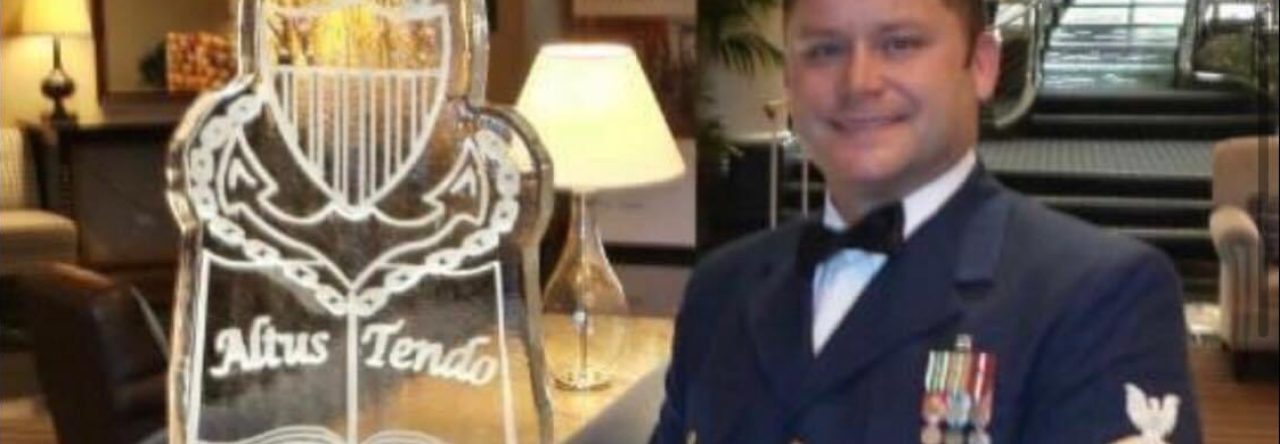
I’m Homeless, I Understand 🇺🇸

Homelessness among veterans leads to a “vicious cycle” where poor health and housing instability exacerbate each other

. The effects of homelessness on veterans are extensive, impacting their physical health, mental well-being, and social integration

Health and Mortality

  • Reduced Life Expectancy: The average life expectancy for a homeless person is just 48 years, roughly 30 years shorter than the national average.
  • Chronic and Infectious Diseases: Homeless veterans have significantly higher rates of chronic conditions—such as cardiovascular disease and lung disease—and infectious diseases like HIV and Hepatitis C due to unsanitary conditions and lack of hygiene resources.
  • Physical Disabilities: Approximately 53-66% of homeless veterans live with at least one disability. 

Mental Health and Suicidality

  • Severe Mental Illness: Between 48% and 67% of homeless veterans are diagnosed with mental disorders, nearly double the rate of veterans with stable housing.
  • High Suicide Risk: Veterans with a history of homelessness have significantly elevated odds of suicide ideation and attempts. One-third of homeless veterans in some studies report having engaged in suicidal behaviors.
  • Substance Abuse: Roughly 70% of homeless veterans suffer from substance use disorders, often using drugs or alcohol as a coping mechanism for trauma or the stress of living on the street. 

Social and Economic Impact

  • Social Isolation: The experience often leads to feelings of shame, worthlessness, and a lack of trust, which results in deep social withdrawal and the breakdown of family relationships.
  • Victimization and Violence: Homeless individuals are significantly more likely to be victims of violent attacks than perpetrators, with 14-21% estimated to have been victims of violence.
  • Barriers to Employment: Reintegration into the workforce is nearly impossible without a stable address, leading to a cycle of poverty and dependence on emergency services like hospital ERs. 

Available Support Resources

If you or a veteran you know is experiencing homelessness, several programs offer direct assistance: 

  • VA Homeless Programs: Offers the HUD-VASH program for permanent supportive housing.
  • National Call Center for Homeless Veterans:Call 1-877-4AID-VET (1-877-424-3838) for 24/7 free, confidential support.
  • NVHS (National Veterans Homeless Support):Provides personalized guidance and community-based housing solutions. 

Homelessness profoundly affects veterans, exacerbating mental health issues like PTSD, depression, and substance abuse, while creating barriers to employment, healthcare, and stable housing, leading to cycles of instability, social isolation, increased health risks (including infectious diseases), and higher suicide rates. The experience often worsens pre-existing conditions, and the lack of support networks makes reintegration into civilian life incredibly challenging, highlighting the critical need for stable housing as a foundation for recovery. 

Mental & Physical Health Effects

  • High Rates of PTSD & TBI: Lingering effects of combat, like PTSD and Traumatic Brain Injury (TBI), are significant factors.
  • Increased Mental Health Disorders: Homeless veterans have double the rate of mental disorders (depression, anxiety, etc.) compared to housed veterans, with nearly 70% experiencing substance abuse issues.
  • Worsening Conditions: Homelessness amplifies existing mental illnesses, creating a vicious cycle where instability worsens health, and poor health hinders stability.
  • Higher Suicide Risk: The risk of suicide is significantly elevated among homeless veterans.
  • Physical Health Deterioration: Lack of hygiene, nutrition, and consistent care leads to higher risks of infectious diseases and chronic conditions. 

Social & Economic Impacts

  • Employment Barriers: Military skills don’t always translate, and instability makes holding a job difficult, hindering financial independence.
  • Social Isolation: Homelessness often results in deep social isolation, shame, and disconnection from support systems.
  • Cycle of Instability: Lack of housing prevents access to services, trapping veterans in a cycle of homelessness, poverty, and poor health. 

Challenges to Getting Help

  • Barriers to Care: Stigma, lack of transportation, and difficulty accessing records or basic hygiene resources prevent many from seeking help.
  • Complex Needs: Many veterans have co-occurring disorders (mental illness and substance abuse) that require comprehensive, integrated care. 

The Role of Housing

  • Foundation for Recovery: Stable housing is crucial for healing, allowing veterans to process trauma, build support networks, and focus on other aspects of recovery.
  • Improved Outcomes: Programs providing stable housing with support services significantly improve employment, financial stability, and health outcomes. 

Homeless veterans are military veterans who lack stable housing, a significant issue addressed by programs from the VA.gov and organizations like the National Coalition for Homeless Veterans (NCHV), focusing on outreach, housing (like the HUD-VASH program), healthcare, and employment support, with recent data showing decreasing but persistent numbers, often linked to disabilities, mental health, or substance use issues. 

Key Aspects of Veteran Homelessness

  • Demographics: Veterans experiencing homelessness are disproportionately older, have higher rates of disability, serious mental illness, and substance abuse compared to the general homeless population.
  • Causes: Factors include service-related disabilities, mental health challenges (PTSD), substance use disorders, and difficulty transitioning to civilian life, compounded by economic factors and the end of pandemic-era protections. 

Support & Resources

  • VA Homeless Programs: Proactively seek out veterans, connect them to housing, healthcare (including mental health), and employment, with key initiatives like the HUD-VASH program for housing vouchers.
  • HUD-VASH: A joint program by HUD and VA providing housing vouchers and case management to help veterans achieve self-sufficiency.
  • NCHV: Offers a national referral helpline, policy advocacy, and resources to end veteran homelessness.
  • Local & State Aid: Organizations like the Texas Veterans Commission (TVC) (in Texas) connect veterans with housing and support services, with programs like 211 offering broader assistance. 

Statistics (Recent Snapshot)

  • Decreasing Trend: The number of homeless veterans has declined significantly over the past decade, though recent years saw slight upticks.
  • Point-in-Time (PIT) Count: In 2023, approximately 35,574 veterans experienced homelessness, a 7.4% increase from 2022, attributed partly to pandemic aftermath. 

How to Get Help

David Ramsey

503-298-0592

blacknbluepb@yahoo.com

Corpus Christi Texas

In 2026, the Department of Veterans Affairs (VA) and various federal and community partners remain intensely focused on the goal of ending veteran homelessness through a “Housing First” approach

. While significant progress has been made—including permanently housing 51,936 homeless veterans in fiscal year 2025—the issue persists due to factors such as a lack of affordable housing, mental health challenges (including PTSD), and substance use disorders. 

Immediate Assistance

If you are a veteran experiencing homelessness or at imminent risk, immediate 24/7 help is available: 

  • National Call Center for Homeless Veterans: Call 1-877-4AID-VET (1-877-424-3838) to be connected with a trained counselor.
  • Veterans Crisis Line: Dial 988 and press 1, or text 838255 for confidential support.
  • VA Facilities: Visit your nearest VA Medical Centerand ask for the homeless coordinator. 

Key Housing & Support Programs

  • HUD-VASH: A collaborative program between HUD and the VA that provides Housing Choice Vouchers paired with case management and clinical services.
  • SSVF (Supportive Services for Veteran Families): Offers grants to nonprofits to provide rapid rehousing and prevention services to low-income veterans.
  • Grant and Per Diem (GPD) Program: Provides funding to community agencies to offer transitional housing (up to 24 months) and supportive services.
  • Health Care for Homeless Veterans (HCHV): Conducts outreach to engage veterans on the street and connects them to residential treatment and stable housing. 

Current Statistics & Trends (2024-2026)

  • Progress: Veteran homelessness saw a declining trend recently, with an 8% decrease reported between 2023 and 2024.
  • Demographics: Approximately 50% of homeless veterans are age 51 or older. While men make up about 87% of this population, female veterans are a fast-growing segment, often facing unique challenges related to military sexual trauma (MST) and childcare.
  • Risk Factors: The strongest predictors of homelessness include substance use disorders, serious mental illness, and low income. Combat exposure itself is not found to be a direct causal link, though related injuries like TBI can contribute to reintegration struggles. 

Additional Resources

  • National Coalition for Homeless Veterans (NCHV): A nonprofit that provides a comprehensive directory of local service providers.
  • Legal Services: The VA awards millions in grants to help veterans resolve legal barriers to housing, such as eviction defense and benefit access.
  • Employment: The Homeless Veterans’ Reintegration Program (HVRP) through the Department of Labor focuses on job training and placement. 

Homelessness among veterans is driven by a complex interplay of clinical, economic, and social factors. Prevention and resolution strategies emphasize immediate access to housing followed by comprehensive supportive services.

Contributing Factors

  • Behavioral Health Challenges: Substance use disorders (SUD) are among the most significant risk factors for homelessness. Mental health conditions—particularly PTSD, depression, and anxiety—often lead to job loss or family breakdown, creating a direct path to housing instability.
  • Economic Barriers: Skyrocketing living costs and a shortage of affordable housing significantly increase risk. Veterans also face challenges translating military skills into civilian employment, leading to unemployment or underemployment.
  • Military Transition & Social Isolation: The loss of the military’s structured environment can lead to disorientation. Veterans who are unmarried or lack strong social support networks are at higher risk of falling into homelessness during a crisis.
  • Service-Related Experiences: Military sexual trauma (MST) and other-than-honorable discharges—often linked to misconduct stemming from untreated trauma or substance use—dramatically increase the likelihood of homelessness.
  • Unexpected Life Events: Medical emergencies, disabilities, or sudden divorces can quickly wipe out savings and lead to eviction. 

Prevention and Mitigation Strategies

  • Housing First Approach: This model prioritizes providing permanent housing immediately without preconditions like sobriety, followed by voluntary supportive services.
  • Early Intervention & Diversion: Programs like Supportive Services for Veteran Families (SSVF)provide emergency financial aid, legal assistance, and case management to prevent veterans from losing their current homes.
  • Integrated Care Teams: The Homeless Patient Aligned Care Team (H-PACT) provides tailored medical, mental health, and substance abuse treatment specifically designed to address the needs of homeless veterans.
  • Employment Support: Initiatives like the Homeless Veteran Community Employment Services (HVCES) connect veterans with vocational training and veteran-friendly employers to ensure long-term financial stability.
  • Legal Aid Partnerships: Collaborative efforts between the VA and legal services help resolve barriers to housing, such as evictions, outstanding warrants, or upgrading discharge status to access full benefits. 

If you or a veteran you know is at risk, contact the National Call Center for Homeless Veterans at 1-877-4AID-VET (1-877-424-3838) for immediate assistance. 

Employment assistance for homeless veterans is structured to address both immediate financial needs and long-term career stability through specialized federal programs and community partnerships.

Core Employment Programs

  • Homeless Veterans Community Employment Services (HVCES):
    • This VA initiative deploys over 150 Community Employment Coordinators (CECs) at VA Medical Centers nationwide.
    • CECs act as direct bridges between job-ready veterans and local employers.
    • They provide pre-screening services, assist with translating military experience to civilian roles, and facilitate the onboarding process for veteran-friendly businesses.
  • Homeless Veterans’ Reintegration Program (HVRP):
    • Managed by the Department of Labor (DOL), this is the only federal grant program focused exclusively on competitive employment for veterans experiencing or at risk of homelessness.
    • As of January 2026, the DOL announced $23 million in new funding for organizations to provide workplace skills training, job placement assistance, and support for registered apprenticeships.
    • Services include career exploration, resume preparation, and assistance with high-demand occupational certifications.
  • Compensated Work Therapy (CWT):
    • A clinical vocational program where veterans are paid at least the federal or state minimum wage while performing work in real-world settings.
    • Components include transitional work, sheltered workshops, and supported employment for those needing ongoing assistance. 

Specialized Vocational Support

  • Veteran Readiness and Employment (VR&E):Formerly known as VocRehab, this program (Chapter 31) assists veterans with service-connected disabilities in finding suitable jobs through comprehensive evaluations, on-the-job training, and education.
  • Job Readiness & Supportive Services: Programs often provide “wraparound” support to remove employment barriers, such as providing funds for interview clothing, tools for trade jobs, transportation assistance, and legal aid. 

How to Access Assistance

  • VA HVCES Contact List: Find the specific Community Employment Coordinator at your local VA Medical Center.
  • American Job Centers: Many HVRP grantees operate through these centers to provide localized job training and placement.
  • National Call Center for Homeless Veterans:Call 1-877-4AID-VET (1-877-424-3838) to be screened and connected with the nearest homeless program point of contact. 

“Illegal use of my online credentials posts website” 🛟❤️💙🇺🇸 @Surfman374 DavidMichaelRamsey ——-

374thSurfman “Homeless”
“I Haven’t made a dime off anything created”
100% DisabledCombatRelatedServiceConnected
Freediver • Spearfishing • Republican

“Rico” most commonly refers to the 

Racketeer Influenced and Corrupt Organizations (RICO) Act, a United States federal law enacted in 1970 to combat organized crime. 

As of January 2026, the term also appears in several current news and cultural contexts:

1. Legal Context (RICO Act)

  • Definition: A law (18 U.S.C. §§ 1961–1968) that targets “enterprises” engaged in a pattern of racketeering activity.
  • Key Requirements: To be charged, an individual must commit at least two “predicate acts” (e.g., bribery, fraud, murder, or money laundering) within a 10-year period in connection with a criminal enterprise.
  • Recent 2026 Legal Action: On January 16, 2026, it was reported that Toyota is facing a $5.7 billion RICO lawsuit alleging the company operated a “criminal operation” to conceal safety issues with its hydrogen-powered Mirai vehicles. 

2. People and Sports (Current 2026)

  • Rico Dowdle: A pending free-agent running back currently being linked to the Kansas City Chiefsas they head into the 2026 offseason.
  • Rico Hoey: A professional golfer who recently competed in the Sony Open (January 2026), making a notable birdie on the 18th hole. 

3. Business

Uncle Rico’s Pizza Fort Myers4.7(1.2K)$10–20PizzaClosed2960 Cleveland Ave

An award-winning pizzeria in Fort Myers, Florida, owned by Enrico “Rico” Aguila, which announced a major physical expansion in January 2026. 

4. Language and Slang

  • Spanish: In Spanish, “rico” literally means “rich” (wealthy) or “delicious” (food).
  • Slang: In hip-hop culture, it is often used as a term of respect for someone successful or to describe luxury. 

RICO refers to the 

Racketeer Influenced and Corrupt Organizations Act, a U.S. federal law passed in 1970 to combat organized crime by targeting enterprises involved in illegal activities like bribery, extortion, and money laundering, allowing for prosecution of entire criminal structures rather than just individual crimes, with severe penalties including prison time, fines, and asset forfeiture. While initially aimed at the Mafia, its broad scope now applies to various groups and individuals engaging in patterns of racketeering, including white-collar criminals and corrupt officials, with both criminal and civil implications

.

Key Aspects of RICO

  • Purpose: To stop organized crime’s infiltration into legitimate businesses and commerce.
  • Mechanism: Links seemingly unrelated crimes into a “pattern of racketeering activity” (at least two within 10 years) connected to an “enterprise”.
  • Scope: Covers a wide range of predicate offenses, including drug trafficking, fraud, counterfeiting, and more.
  • Penalties: Up to 20 years in prison per count, significant fines, and forfeiture of ill-gotten gains.
  • Application: Used by prosecutors and private citizens in civil cases against various groups, from mobsters to corporations and even protest movements. 

How it Works

  • Enterprise: An association, partnership, corporation, or any group operating as a unit.
  • Pattern: At least two specific crimes (racketeering acts) within a decade.
  • Connection: The pattern must be connected to the enterprise (e.g., through investment, control, or participation in its affairs). 

Example Use Cases

  • Prosecuting Mafia leaders who didn’t directly commit crimes but ran criminal organizations.
  • Suing corporations for systemic fraud or bribery.
  • Targeting corrupt public officials or criminal gangs. 

 illegal search and seizure occurs when government officials search a person or their property and take items without proper legal justification, violating the Fourth Amendment’s protection against unreasonable searches, generally requiring a warrant based on probable cause, though exceptions like consent, plain view, or exigent circumstances exist. Evidence obtained illegally is often inadmissible in court under the exclusionary rule, including any evidence derived from it (

fruit of the poisonous tree

)

.

Key Principles

  • Fourth Amendment: Protects people from unreasonable government intrusion.
  • Warrant Requirement: Most searches need a warrant signed by a judge, based on probable cause, describing the place and items.
  • Reasonable Expectation of Privacy: The Fourth Amendment applies where individuals have a reasonable expectation of privacy, like their home. 

When Searches Might Be Illegal

  • No Warrant, No Exception: Searching a home without a warrant (presumptively unreasonable) or a valid exception.
  • Hunch or Whim: A search based on an officer’s gut feeling rather than facts.
  • Overstepping a Warrant: Searching beyond the scope of a valid warrant. 

Common Exceptions to Warrant Requirement

  • Consent: You freely agree to the search.
  • Incident to Lawful Arrest: Searching a person and the area within their immediate control after a lawful arrest.
  • Plain View Doctrine: Evidence in plain sight during a lawful activity.
  • Exigent Circumstances: Emergencies like hot pursuit or imminent destruction of evidence.
  • Vehicle Exception: Warrantless searches of vehicles with probable cause. 

Consequences of Illegal Searches

  • Exclusionary Rule: Illegally obtained evidence (the “tree”) is excluded from trial.
  • Fruit of the Poisonous Tree: Evidence found because of the initial illegal evidence (the “fruit”) is also excluded.
  • Case Dismissal: Can lead to the dismissal of criminal charges. 

What to Do

  • Remain silent and do not consent to a search without a warrant.
  • Contact a criminal defense attorney immediately if you believe your rights were violated. 

fraud, exploitation, coercion, or activities that violate specific laws such as human trafficking, wage theft, or financial abuse.”!

“Using people for profit” is not inherently illegal; it is the basis of most employment and business

. However, it becomes illegal when it involves fraud, exploitation, coercion, or activities that violate specific laws such as human trafficking, wage theft, or financial abuse. 

Legal vs. Illegal Profit

In a standard, legal business setting, an employer profits from their employees’ labor, and in return, the employees receive agreed-upon wages and benefits. This is considered a voluntary exchange for mutual benefit, provided there is full knowledge and consent from all parties and the arrangement adheres to labor laws. 

However, the following scenarios are illegal:

  • Human Trafficking/Forced Labor: Compelling people to work through force, fraud, or coercion for profit is a severe federal crime.
  • Wage Theft/Labor Violations: Failing to pay employees the legally required minimum wage or overtime, or deducting unauthorized amounts from their pay, is against labor laws.
  • Fraud and Financial Exploitation: Intentionally misleading or scamming individuals to gain access to their money or assets is illegal. This includes misappropriation of funds where a person entrusted with another’s money uses it for their own unauthorized benefit.
  • Prostitution: Exchanging money specifically for sexual acts is illegal in most jurisdictions in the United States.
  • Insider Trading/Racketeering: Profiting through illegal activities such as insider trading, money laundering, or organized crime is criminal and can be prosecuted under laws like the Racketeer Influenced and Corrupt Organizations (RICO) Act.
  • Exploitation of Public Office: Government employees may not use their official position for personal or private financial gain, as this is a misuse of public office. 

Reporting Illegal Activity

If you believe someone is being used illegally for profit, you can report it to the appropriate authorities:

  • Human Trafficking: Contact the National Human Trafficking Hotline or local law enforcement.
  • Financial Scams/Fraud: Report it to the FBI’s Internet Crime Complaint Center (IC3) or the Federal Trade Commission.
  • Labor/Wage Violations: Contact the U.S. Department of Labor’s Wage and Hour Division.
  • Tax Fraud: Report suspicions of tax evasion to the Internal Revenue Service (IRS). 

Whether using “other people’s stuff” for profit is illegal depends heavily on how you acquired it, what kind of “stuff” it is (physical vs. intellectual), and how you represent it to buyers.

1. Reselling Physical Items (Generally Legal)

In most jurisdictions, including the United States, it is legal to resell physical items you have lawfully purchased. 

  • First Sale Doctrine: This legal principle protects your right to sell, display, or dispose of a particular copy or product once you have legally bought it from the copyright or trademark owner.
  • Retail Arbitrage: Buying items from a retail store (like clearance items) and selling them for a higher price on platforms like eBay or Amazon is legal.
  • Exceptions:
    • Stolen Property: Selling items you do not own or have permission to sell is theft or “conversion” and is a criminal offense.
    • Price Gouging: Charging excessive prices for “essential goods” (like water or masks) during a declared state of emergency is illegal in many states.
    • Regulated Goods: Selling certain items like prescription drugs, firearms, or alcohol requires specific licenses. 

2. Using Intellectual Property (Often Illegal Without Permission) 

Using someone else’s creative work, brand, or invention to make money is much more restricted. 

  • Copyright Infringement: You cannot legally reproduce, distribute, or make “derivative works” (like selling prints of someone else’s art or making Harry Potter-themed crafts) without the creator’s permission.
  • Trademark Infringement: You cannot use a company’s logo or name in a way that suggests you are an authorized dealer or that they endorse your product.
  • Reverse Passing Off: It is illegal to take someone else’s product, remove their branding, and sell it as your own without a “White Label Agreement”.
  • Legal Alternatives:
    • Public Domain: You can profit from works where copyright has expired (generally works published before 1929 as of 2024/2025).
    • Licensing: You can pay for the right to use IP through a license (e.g., getting a commercial license for a 3D printing design). 

3. Business & Service Models (Legal Frameworks)

  • Affiliate Marketing: Promoting someone else’s product and earning a commission on sales is a common and 100% legal business model.
  • Dropshipping: Selling products you don’t keep in stock (where a third party ships them) is legal, provided you don’t engage in false advertising about shipping origins.
  • Curation: Using snippets of others’ content for reviews or educational purposes may be protected under Fair Use, but this is a complex legal “gray area” and for-profit use is scrutinized more strictly. 

4. Personal Likeness & Rights

  • Right of Publicity: In many states (like Florida or California), you cannot use a person’s name, photograph, or likeness for commercial purposes without their express written consent. 

Using other people’s property or creations for profit is not inherently illegal, but it is a complex area of law and highly depends on the nature of the “stuff” and the specific circumstances of its use

. Key legal concepts involve theft/conversion, intellectual property (copyright, trademark, patent), and contracts/licensing. 

When it is Illegal

It is illegal to use someone else’s stuff for profit without permission in the following scenarios: 

  • Theft or Misappropriation: Selling someone’s personal, physical property without their consent constitutes theft or conversion and can lead to criminal charges and civil lawsuits.
  • Intellectual Property Infringement: This is the most common legal issue. You cannot profit from someone’s original creative works (music, books, art, photos, software, designs, etc.), branding (logos, names, packaging), or inventions without explicit permission, typically granted through a license agreement.
    • Copyright violations: Making and selling unauthorized copies of a copyrighted work is illegal.
    • Trademark violations: Using another company’s branding to cause confusion about the source of goods is illegal.
    • Patent violations: Profiting from someone’s invention protected by a patent is illegal.
  • Breach of Contract/Licensing terms: If an item or content was acquired under a specific agreement (e.g., a “non-commercial” Creative Commons license, or a contract with an employer), using it for profit in violation of those terms is illegal.
  • False Advertising/Fraud: Misrepresenting a product’s authenticity, condition, or origin to profit from a brand’s reputation (e.g., selling counterfeit items) is illegal.
  • Illegal Business Practices: Certain activities like price gouging during a state of emergency or running an unlicensed taxi service (when only permitted for non-commercial use) are illegal even if you legally own the underlying property. 

When it is Legal (with caveats)

In the United States, several principles protect the right to use or resell items in specific ways: 

  • First Sale Doctrine: Once you lawfully purchase a genuine, physical item, you have the right to resell, display, or dispose of that specific copy without the original creator’s permission. This is the basis of the secondhand market (garage sales, eBay, etc.).
    • Caveat: This does not grant you the right to make new copies of a copyrighted work (e.g., you can sell a used book you bought, but not print new copies and sell them).
    • Caveat: The item must be authentic, not a counterfeit, and you cannot misrepresent the product or brand.
  • Public Domain: Works whose intellectual property protection has expired or was never applied are in the public domain and can be freely used and profited from.
  • Fair Use: In copyright law, “fair use” allows limited use of copyrighted material for purposes such as commentary, criticism, news reporting, or education. Commercial use tends to weigh against fair use, but is not automatically a violation.
  • Affiliate Marketing: Promoting other people’s products and earning a commission for sales made through your referral is a common and legal business model, provided you have a proper agreement with the seller. 

Given the complexities, especially concerning intellectual property, it is best to assume that all creative work is copyrighted unless stated otherwise. It is advisable to consult a legal expert or tax advisor for guidance on specific business situations. 

Have You Seen My Stuff?

“Why don’t you kill yourself we’re all waiting for it”

WTF ~ is that how you talk to a Nieghbor

David Michael Ramsey

TrueStory

(Then I got arrested)!

Good Day, Then (she) lies & calls cops! …. I got arrested cited and had to walk home David Michael Ramsey

I was injured in jail and reported it to the jail but here’s what I know so far…

Broken Ankle • Torn Tendons in Calves Thigh Hip joints fracture vertebrae lumbar thoracic cervical torn shoulder nothing like walking from Sinton Texas to Callallen in crocs & shorts with now permanent injuries resulting in multiple ct mri xray scans i was already rated 100% Disabled 100% combat related 100% Service Connected after serving 20 years in the United States Coast Guard as a very motivated Chief / E7 Surfman #stationsabinepass #ReadyForOperations #Portland #corpuschristi #recom #texasoilspill #District8 #globalwaronterrorism #calallen #sandpounder David Michael Ramsey @surfman374 ❤️🛟💙🙏🇺🇸 #homelessness sucks loosing everything you earned sucks #DMR 

rigsreefclassicspearfishing.com

V/R,

David Ramsey

1-(503)298-0592

Why did I have to get arrested so many time and walk home ? When I’m getting property stolen vehicles vandalized stolen guns identity gold and ivory… did my cash end up in property?

David Michael Ramsey

Make It Bold | Be About It | Talk About It 💙 #HUSTLR 🛡I spent 20 Years serving the United States of America. BMCRamsey, Surfman374. It was an amazing career as a Ready for Operations Inspector, Chief of Operations for the Largest Enlisted Unit in the Coast Guard, Small Arms Instructor, Federal Law Enforcement Officer (Boarding Officer) Surfman. I Graduated Airforce NCOA, USCG Chiefs Academy Altus Tendo. Instructor Development School, Advanced Outdoor Film and Production School, and from 2005-2021 held a 100Ton MMD Captian License. I received the Associations for Rescue’s at Sea Gold Medal in Washington D.C. along with numerous other Medals and Awards for Rescues 100’s of 1000’s in 20 years serving. Yes I’m 100% Percent Disabled 100% Service Connected 100% Combat Related don’t let it stop me. Life is yours enjoy it create it Daily. Proud Retired Chief Loving Man, Veteran, and Father. #DepartmentofHomelandSecurity MLEA U.S. Coast Guard Boarding Officers & Boarding Team Members. It’s #SetStandard #TacticsTechniques #TheUseofForce God Bless my prayers for #FLEO’s Every Believer U.S. Department of Homeland Security #surfman374 #rigsreefclassicspearfishing #gatorgripphd #pullsetgrip #chief #LEO #LifeMatters #protectandserve ❤️🤍💙”God Bless Founder #DMR @surfman374 #SaltySoulTaxidermy #TripleDigitHunter

rigsreefclassicspearfishing.com

This Is the covenant I will establish with them after those days, says the Lord,
I will put my laws in the hearts, ❤️ and I will write them upon their minds.

“Theirs sins and their evildoing I will remember no more”.

Where there is forgiveness of these, there is no longer offering for sin.

TheCovenant #Established #ThoseDays #saystheLord #mylaws #TheHearts❤️🤍💙 #WriteThemUponTheirMinds #TheirSins #TheirEvildoing #ForgivenessOfThese 🛟🇺🇸

Therefore Brothers & Sisters, since through #TheBlood🩸ofJesus we have #confidenceofentrance #IntoTheSanctuary By the #NewAndLivingWay he opened for us #ThroughTheVeil . #ThatIsHisFlesh #TheGreatPriest “In the” #HouseOfGOD ~ Amen 🙏

@surfman374 #DavidMichaelRamsey #The374thSurfmanUSCoastGuard #KnightsOfColumbus #JourneyToDamascus #TheBodyOfChrist #CorpusChristi

TheLandOfMilkAndHoney #WWJD #247365 #DMR #374

@surfman374

“Oregon & Washington BigWaves Bigger Rescues”…. #The374thSurfman #USCoastGuard from 1999-2011 it was epic #BigWaveSurfer #surfrescue #cliffrescue #mountainreacue #articsurvivalreacue (1998-1999) 12 months 120 miles north #nomealaska #portclarence #LoranStation then #OrderOnTheBorder 2011-2018 #WarOnTerrorism #CyberWar #HumanTrafficking #ArmsTrafficking #Gangs #Cartel #Mafia #MCs #SabinePass #PortOConnor #portaransas #corpuschristi #portmansfield #southpadre #falconlake #lakeamistad #BigBendTexas #THERGV #RioGrandeSector #ElPaso #USA #Mexico #CentralAmerica #SouthAmerica #USCoastGuardRECOMManager #ReadyForOperationsInspector #ChiefOfOperations #FederalLawEnforcementOfficer #SmallArmsInstructor #TacticalPursuitVesselOperations #HITRON #SpecialOperations #BlackOpsMatter 💙❤️🛟🇺🇸 #DMR

Injures In Jail Suck @Surfman374 Instagram

Don’t get a dime for what I create or my blogs since 2009

BlackNbluepaintball

rigsreefclassicspearfishing

saltysoultaxidermy

spearfishingtalk Facebook group

Built it all don’t get paid for nothing…

David Michael Ramsey (they stole it all)! ~ surfman374 rigsreefclassicspearfishing.com

Gator-Gripp.com
BlacknBluePaintball.com

DMR

homeless everyone took it every thing i own is in my Tacoma what’s left of my life what i did … #corpuschristi #texas 💙❤️🛟🇺🇸

Cyber CrImes (Cartel MCs Mafia and Gangs) Texas 🇺🇸

Have you seen my records? #MilitaryRecords #DoctorRecords David Michael Ramsey #militarygear #yeticoolers #boatandmotor #animalmounts #walrusTusk #nomegold #washingtongold #idahogold #texasgold #gpaa @surfman374

Why did I have to get arrested so many time and walk home ? When I’m getting property stolen vehicles vandalized stolen guns identity gold and ivory… did my cash end up in property?

David Michael Ramsey

What about when you charged me with resisting in my own home without a warrant then busted my shoulders wrists and back David Michael Ramsey

What about when I was turning around you arrest me for wreckless driving then I ask why your detaining me you charge me with resisting arrest David Michael Ramsey

Where did the $342.00 dollars cash go the last time I was face planted in my living room Hawg tied and drug out my house on my face! Oh wait you accused me of possessing illegal substances That’s right!

David Michael Ramsey

CyberCrime • Texas

In Texas, the intersection of cybercrime and organized crime (cartels, mafias, and gangs) has evolved into a sophisticated hierarchy where domestic groups increasingly function as “subcontractors” for transnational cartels

. As of 2026, these organizations utilize digital platforms and cyber tactics to manage logistics, distribution, and extortion. 

Dominant Criminal Organizations in Texas

  • Mexican Cartels: The Sinaloa Cartel and Cartel Jalisco Nueva Generación (CJNG) maintain the strongest influence. The Gulf Cartel continues to dominate drug smuggling through South Texas, particularly in the Rio Grande Valley and Houston.
  • Texas Mexican Mafia (TMM/Mexikanemi): Based primarily in San Antonio, this is a distinct entity from the California-based Mexican Mafia. TMM functions as a “taxing” authority, demanding a percentage (often 10%) from local drug dealers for protection and the right to operate.
  • Motorcycle Gangs (MCs) and Street Gangs:Groups like the Bandidos MCBloodsCrips, and MS-13 increasingly act under the command of cartels.
  • Emerging Threats: The Venezuelan gang Tren de Aragua (TDA) has recently expanded into Texas, prompting the state to develop new databases specifically to track and neutralize their growth. 

Cyber Tactics and Digital Operations

Criminal organizations in Texas have shifted toward “collective intelligence” to maximize efficiency and evade law enforcement. 

  • Front Businesses: Undercover investigations have revealed cell phone businesses in major cities like Houston acting as front operations for cartel logistics and laundering.
  • Cyber Extortion Layers: Organized cyber-gangs have moved beyond simple data theft to quadruple extortion:
    1. Encryption: Locking victim data for ransom.
    2. Data Leakage: Threatening to publish sensitive information on the dark web.
    3. DDoS Attacks: Threatening to disable a victim’s entire IT infrastructure.
    4. Blackmail/Harassment: Publicly shaming companies to force payment.
  • Communication: Leaders manage operations from within the Texas Department of Criminal Justice (TDCJ) using smuggled devices to coordinate “hits” and drug distribution nationwide. 

Law Enforcement Response

  • Operation Lone Star: This multi-agency effort has resulted in over 49,400 criminal arrests and the seizure of more than 588 million lethal doses of fentanyl as of late 2024/early 2025.
  • RICO Prosecutions: Federal agencies continue to use the Racketeer Influenced and Corrupt Organizations (RICO) Act to dismantle gang leadership, such as the 25-year sentencing of high-ranking TMM leader David Botello in August 2025.
  • 10 Most Wanted: Texas maintains a “10 Most Wanted Criminal Illegal Immigrants” list specifically targeting repeat offenders involved in gang and cartel-related violence. 

Hemp VS TEXAS

PTSDtreatmentPlan I created one that saved my life ask me how in comments below don’t messenger me I can’t stand using it or social media believe it or not! #IHATESocialMedia #ItRuinedMyLife that’s why! #DeepFakers #Hackers #Thieves #Trolls

(Yes Its public but its personal & it’s my content)

David Michael Ramsey ~ Surfman374 #HempSoap #HempChef #TexasHempChef #HempGuide #HempGuideToHealthyEating

Harvards assholes can steal anything even every post since 2009! #Web3 #PayTheCreator #IShouldBePaidForContentICreated #ProductsICreated #BrandsTrademarksPatentsICreated

BlackNBluePaintball (so youth and military to have fun and it saved lives)

Gator_GrippDotCom (Owner/ChiefMarketingOfficer) till they stole it & Called it #PullSetGripp #PullSetGrip

Now you go get jail time or should!

Defamationlawsuit #DefendDemocracy (Surfman374)! #DeepFakeAwareness #DeepFakeLaw #PermentlyInjuredBecauseJailTime

YouGotLockedUp #InternetTrolls

As of January 2026, hemp remains 

legal in Texas, though it is subject to increasingly strict regulations and significant ongoing legal and legislative challenges. 

Current Legal Status (January 2026)

  • Definition: Texas defines hemp as the plant Cannabis sativa L. and any part of that plant with a Delta-9 THC concentration of not more than 0.3% on a dry weight basis.
  • Consumable Hemp Products (CHPs): Edibles (gummies), oils (CBD), and topicals are legal provided they meet the 0.3% Delta-9 THC limit.
  • Delta-8 and THCA: These intoxicating isomers remain technically legal and available in Texas as of early 2026 due to court injunctions that blocked state agency attempts to ban them.
  • Vape Ban: A separate law effective September 1, 2025, prohibits the sale of hemp-derived vape products containing any cannabinoids in Texas. 

New & Proposed Regulations (2025–2026)

  • Age Restriction: Per Executive Order GA-56issued in September 2025, it is now illegal to sell consumable hemp products to anyone under 21 years of age. Retailers must verify government-issued IDs.
  • Massive Fee Hikes: Proposed rules from the Texas Department of State Health Services (DSHS) in early 2026 could increase annual retail registration fees from $150 to $20,000 per location.
  • Testing Overhaul: New regulations aim to shift testing standards from “Delta-9 THC only” to “Total THC,” which accounts for THCA content before heating. This change would effectively ban most “THCA flower” currently on the market.
  • Smokable Hemp: While the Texas Supreme Court upheld a ban on manufacturing smokable hemp in Texas, the sale of smokable hemp manufactured out-of-state remains legal for now. However, 2026 proposed rules seek to ban all smokable hemp flower sales. 

Federal Conflict (November 2026)

A new federal provision approved in late 2025 is scheduled to take effect on November 12, 2026. This law redefines “hemp” to exclude products with intoxicating levels of THC, potentially criminalizing many current hemp-derived products sold in Texas. 

Licensing Resources

To grow hemp in Texas as of 2026, you must obtain a 

Hemp Producer License from the Texas Department of Agriculture (TDA). Licensing is handled through a virtual application process.

1. Eligibility Requirements

  • Criminal Background: All “key participants” (sole proprietors, partners, or those with executive control) must undergo a fingerprint-based criminal history check.
  • Felony Restriction: Applicants are ineligible if they have a felony conviction related to a controlled substance within the last 10 years.
  • Age: You must be at least 18 years old to apply.
  • Orientation: Applicants must watch a mandatory 30-minute orientation video on the TDA website before applying. 

2. Required Documentation

  • Facility Information: You must register at least one “facility” (an uninterrupted location under your control) and provide its street address and GPS coordinates.
  • Proof of Control: You must provide proof of ownership or legal control (such as a lease agreement) for each facility.
  • Entity Details: For businesses, you must provide the Texas taxpayer ID, full names, and contact information for all key participants. 

3. Fee Structure (Current 2026)

  • Annual License Fee: $100 per year.
  • Facility Fee: $100 per facility location.
  • Lot Crop Permit (LCP): $100 for each variety of hemp planted in a specific area. This permit is valid for 180 days.
  • Other Potential Costs: These include mandatory pre-harvest testing fees (paid to third-party labs) and fingerprinting service fees. 

4. Cultivation & Harvest Compliance

  • FSA Registration: After receiving a lot permit, you must notify the USDA Farm Service Agency (FSA) to report acreage and obtain a field number.
  • Pre-Harvest Testing: You must request an official sample from a TDA-licensed sampler at least 20 days before your expected harvest.
  • Harvest Window: Once sampled, the crop must be harvested within 15 days. If not harvested in time, a second sample must be taken.
  • THC Limits: Samples must test below 0.3% Total THC (Delta-9 THC + THCA) to be compliant. Crops exceeding this limit must be destroyed at the owner’s expense. 

Note: While TDA fees for producers remain relatively low, be aware that proposed 2026 rules by the DSHS may drastically increase fees for those who also manufacture or sell consumable hemp products.  🇺🇸 💚