Opinions on whether America cares for its veterans are mixed, with critics pointing to systemic failures like veteran homelessness, bureaucratic hurdles at the Department of Veterans Affairs (VA), and high suicide rates, while defenders highlight massive support programs including the GI Bill, VA healthcare, and disability compensation. [1, 2]
Criticisms and Gaps in Care
- Systemic Struggles: Many veterans face severe challenges, including high rates of homelessness, untreated post-traumatic stress disorder (PTSD), and chronic unemployment. [1, 2, 3]
- Bureaucratic Red Tape: Navigating the VA system can be slow and difficult, with long wait times and claims for conditions like toxic burn pit exposure or PTSD frequently delayed or denied. [1, 2, 3]
- Superficial Support: Critics argue that public gestures like saying “thank you for your service” or offering commercial discounts often mask a lack of deep societal and political commitment to the well-being of former service members. [1]
Existing Support and Programs
- Substantial Benefits: The federal government provides major assistance programs, such as the GI Bill for education, VA home loans, pensions, and specialized medical care. [1, 2]
- Ongoing Legislative Debates: Lawmakers regularly introduce bills—such as recent discussions around expanding retirement and disability framework protections—aimed at fixing gaps in veteran support, though debates often arise over how to fund these changes fairly across different generations of service members. [1, 2]
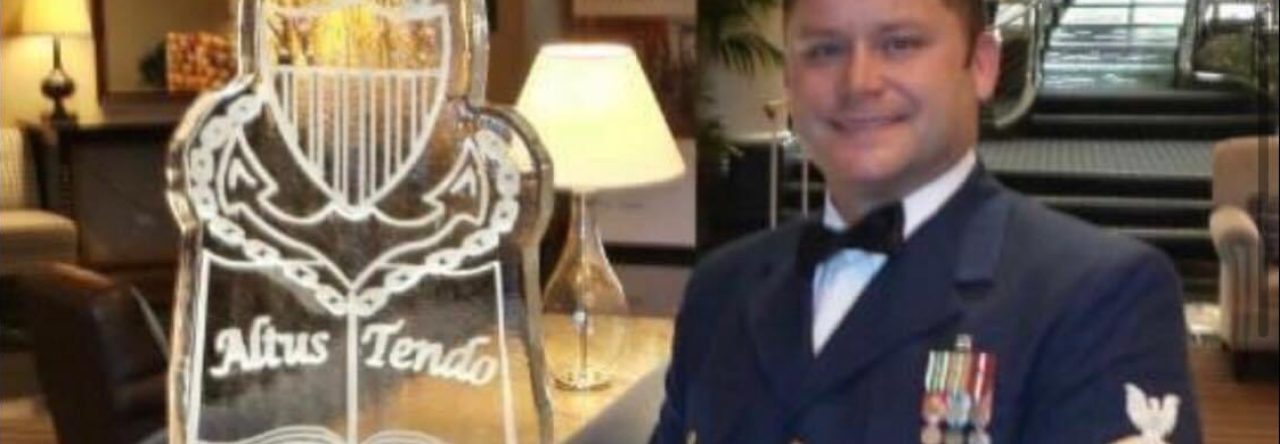
 I am BMC David Michael Ramsey The 374th Coast Guard Surfman this Is My Personal Website I created everything all blogs myself it’s my personal website , my Social Media Accounts were stolen deepfaked ruined Facebook Spearfishing Talk Group my Account David Michael Ramsey Instagram @Surfman374 @rigsreefclassicspearfishing I don’t have access to any social media accounts but YouTube my surfman374 and Wordpress they stole 22 years of data 31 firearms and deepfaked me ruined my Tundra Tacoma and Harley Davidson 1250 (still paying for them even though I have full coverage and gap) and stole my military medical birth records even sold my sperm! Stole My Brand Trademark Patent Yes I’m 100% Disabled Retired USCoastGuard Federal Law Enforcement Officer Small Arms Instructor Chief of Operations Ready For Operations Inspector The 374th Coast Guard Surfman! Unfortunately I was Told I Would Be ShotDead I Return to The Port of Corpus Christi or Portland Texas yes my DNA is over 250,000 years old and yes I’m staying at Hotel Aponte Room 207 Mérida Mexico yes I’m single been single since my third wife took my daughter from me Feb2022. Which is sad because she’s selling my sperm! My Cell is 1-503-298-0592 email blacknbluepb@yahoo.com they even stole the brand trademark patent I built my wallet everything I owned created or did stolen ruined destroyed