Systemic corruption and operational failures in Texas jails and prisons are driven by severe staffing shortages, low correctional officer pay, immense contraband profitability, and a systemic lack of independent oversight. [1, 2]
An investigation by The Texas Tribune revealed that when Texas facilities banned all in-person visits and severely restricted physical mail, the flow of illegal drugs did not stop—proving that staff and guards remain the primary conduits for prison contraband. [1]
The primary factors fueling this environment include:
Severe Staffing Crisis & Low Standards
- Massive Vacancies: The Texas Sunset Advisory Commission reported critical understaffing, with some facilities facing guard vacancy rates up to 70%. [1]
- Extreme Fatigue: Understaffed facilities force existing guards to work grueling 16-hour shifts, leading to burnout and making them highly susceptible to bribery. [1]
- Minimal Screening: Desperation to fill vacancies forces the state to lower hiring standards and rush training, leaving guards ill-prepared to defuse corrupt networks. [1]
High Financial Incentives for Contraband
- Lucrative Black Market: Simple items like cell phones, tobacco, and narcotics command astronomical prices inside, creating an immense financial temptation for poorly paid guards. [1, 2]
- Low Compensation: Guard pay in Texas has historically lagged behind other law enforcement sectors, leaving staff vulnerable to exploitation by organized gangs and resourceful inmates. [1]
Harsh and Destructive Environments
- Oppressive Physical Heat: Roughly two-thirds of Texas prisons lack air conditioning, trapping inmates and staff in temperatures exceeding 100°F. These hostile conditions amplify desperation, violence, and non-compliance. [1]
- Extreme Isolation: Texas holds more individuals in prolonged solitary confinement than any other state or the federal government combined. This isolation deteriorates mental health and increases institutional instability. [1]
Broken Infrastructure and Lack of Reform
- Paper-Based Inefficiency: Texas prison management relies on archaic, paper-based administrative practices that make tracking, auditing, and preventing illicit activities incredibly difficult. [1]
- Failure of Rehabilitation: Lawmakers have failed to fund promised rehabilitation infrastructure; most state jails lack critical substance abuse treatment programs, driving a staggering 63% rearrest rate. [1]

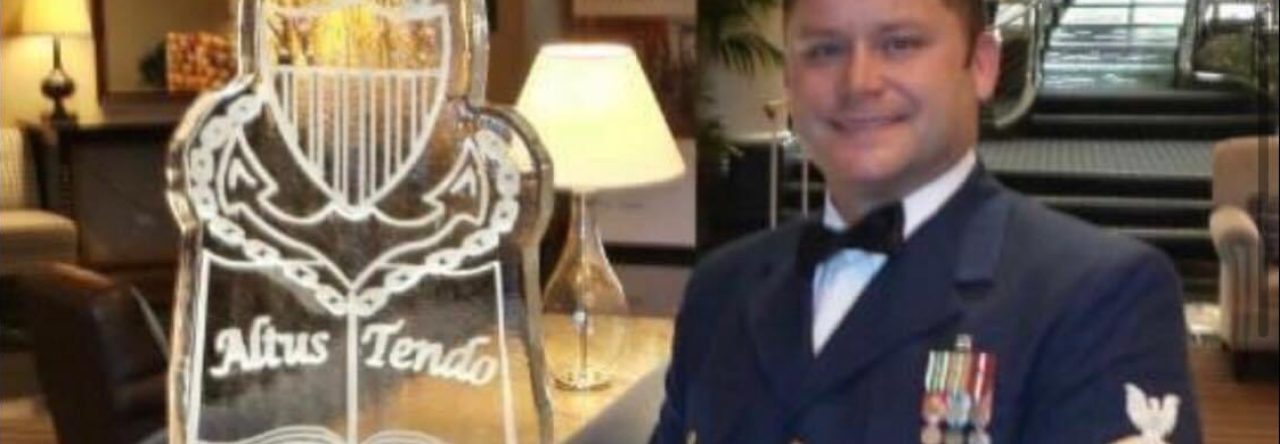
 I am BMC David Michael Ramsey The 374th Coast Guard Surfman this Is My Personal Website I created everything all blogs myself it’s my personal website , my Social Media Accounts were stolen deepfaked ruined Facebook Spearfishing Talk Group my Account David Michael Ramsey Instagram @Surfman374 @rigsreefclassicspearfishing I don’t have access to any social media accounts but YouTube my surfman374 and Wordpress they stole 22 years of data 31 firearms and deepfaked me ruined my Tundra Tacoma and Harley Davidson 1250 (still paying for them even though I have full coverage and gap) and stole my military medical birth records even sold my sperm! Stole My Brand Trademark Patent Yes I’m 100% Disabled Retired USCoastGuard Federal Law Enforcement Officer Small Arms Instructor Chief of Operations Ready For Operations Inspector The 374th Coast Guard Surfman! Unfortunately I was Told I Would Be ShotDead I Return to The Port of Corpus Christi or Portland Texas yes my DNA is over 250,000 years old and yes I’m staying at Hotel Aponte Room 207 Mérida Mexico yes I’m single been single since my third wife took my daughter from me Feb2022. Which is sad because she’s selling my sperm! My Cell is 1-503-298-0592 email blacknbluepb@yahoo.com they even stole the brand trademark patent I built my wallet everything I owned created or did stolen ruined destroyed