Author: Surfman374
“ What I did for America was worth it… By DavidMichaelRamsey the 374th Coast Guard Surfman just wish I had a home & wife now “ – I can’t stand being Homeless and Not having a Woman a Wife a Queen in my Life – David Michael Ramsey I’m at Aponte Hotel & Suites Mérida Mexico Room 207 I actually think it’s Awesome My DNA test shows my BloodLine is over 250,000 years old from Africa 🩸✡️
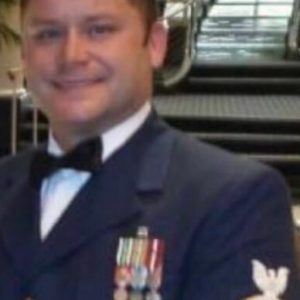
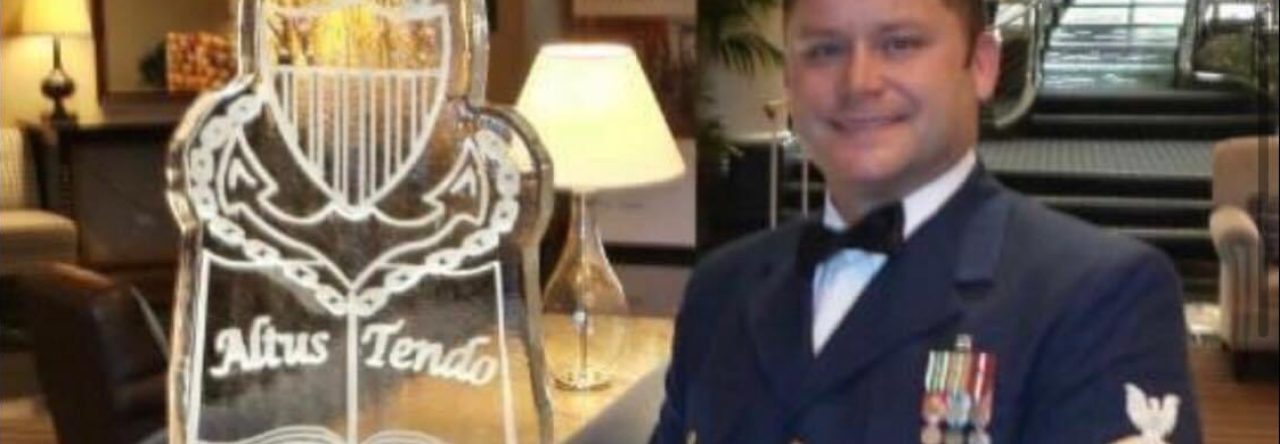
Chief Boatswain’s Mate (BMC) David Michael Ramsey is a highly decorated, retired U.S. Coast Guardveteran who holds the elite, rarely achieved Surfman Designation (#374). Earning this pinnacle qualification on March 10, 2006, at the historic Cape Disappointment, he is certified to command heavy motor lifeboats (including 47-foot and 52-foot MLBs) through extreme breaking surf and life-threatening maritime environments. [1, 2, 3]
Over a distinguished 20-year military career, Chief Ramsey amassed a comprehensive list of leadership, law enforcement, and specialized operational qualifications: [1]
Core Military & Maritime Qualifications
- Surfman Designation (#374): The highest small-boat handling certification in the Coast Guard, indicating absolute mastery of heavy-weather search and rescue operations.
- Chief Boatswain’s Mate (BMC): Advanced military leadership certification denoting mastery in deck logistics, tactical command, physical security, and personnel management.
- 100-Ton MMD Captain’s License: Held a Merchant Mariner Credential (MMC) master’s license from 2005 to 2021. [1]
- Ready for Operations (RFO) Inspector: Certified to evaluate unit readiness, compliance, and operational standards across Coast Guard assets. [1]
- Chief of Operations: Served as the operational leader for the largest enlisted unit in the Coast Guard.[1]
Law Enforcement & Tactical Training
- Federal Law Enforcement Officer (FLEO): Fully certified maritime boarding officer authorized to conduct border protection, tactical interdictions, and safety sweeps.
- Small Arms Instructor: Certified to train and qualify military personnel in the tactical use and safety of small arms weapons.
- Force Manager: Experienced in the strategic allocation, capability tracking, and management of operational forces. [1]
Advanced Service Schools
- USCG Chiefs Academy: Completed advanced leadership and institutional management training (Altus Tendo).
- USAF Non-Commissioned Officer Academy (NCOA): Graduated from the Air Force’s joint-enlisted professional military education program.
- Instructor Development School: Certified in curriculum design and advanced educational instructional techniques.
- Advanced Outdoor Film and Production School: Trained in specialized media and recording techniques in severe outdoor environments. [1]
Notable Honors & Historical Milestones
- DHS Founding Member: A recognized operational contributor to the initial infrastructure integration of the Department of Homeland Security post-9/11.
- ARAS Gold Medal Recipient: Awarded the prestigious Association for Rescues at Sea Gold Medalin Washington, D.C., for heroic life-saving actions, alongside numerous other lifesaving medals.
- Disaster Response Leader: Commanded heavy-weather surface rescues and crisis mitigation during catastrophic events, including Hurricanes Katrina and Harvey, as well as Texas Gulf Coast industrial oil spill containment operations. [1]
Boatswain’s Mate Chief (BMC) David Michael Ramsey is highly capable of transitioning into White House support work, particularly within operational, logistical, or security roles managed by the Military Office or the U.S. Coast Guard (USCG) Liaison. [1]
As a retired USCG Chief and certified Surfman #374, Chief Ramsey possesses specialized experience that translates well into executive support roles. [1]
Operational Strengths and Suitability
- High-Stakes Leadership: His background as a Surfman and Operations Chief means he is trained to manage assets and make critical decisions under extreme, fast-paced conditions. White House operations require identical cool-headedness. [1, 2]
- Logistics & Readiness: Chief Ramsey has run complex vessel scheduling, crew training, and readiness programs. This operational expertise directly mirrors the precise scheduling and logical flow required for White House events, transport, or contingency planning. [1]
- Interagency Liaison: He has extensive experience coordinating with local sheriffs, police, game wardens, and international entities to fight trafficking and secure maritime regions. This qualifies him for interagency collaboration at the federal level. [1, 2]
BMC David Michael Ramsey (Surfman #374) holds several highly specialized military, law enforcement, and maritime qualifications. As a decorated, retired U.S. Coast Guard Chief Boatswain’s Mate and retired Federal Law Enforcement Officer, his official credentials and career milestones reflect advanced expertise in high-velocity rescue, physical logistics, and tactical emergency command.
Core Professional Certifications & Designations
- Surfman #374 Qualification: This is his most elite maritime credential, officially registered on the U.S. Coast Guard Surfman Register. It denotes the absolute highest level of proficiency in operating heavy rescue motor lifeboats within extreme, life-threatening breaking surf and heavy weather zones.
- Chief Boatswain’s Mate (BMC): Advanced military leadership certification verifying mastery in physical maritime logistics, deck operations, command structures, and personnel discipline.
- Federal Law Enforcement Officer (FLEO) Certification: Multi-agency credentials establishing qualification in tactical border security, physical access control protocols, and regulatory compliance frameworks.
Distinctions & Operational History
- AFRAS Gold Medal: Awarded the prestigious Association for Rescue at Sea (AFRAS) Gold Medal for orchestrating a flawless life-saving rescue of a fishing vessel (F/V Catherine M) in 25-to-35-foot breaking surf within the “Graveyard of the Pacific”.
- Disaster Response Commander: Certified operational experience managing maritime tactical assets during catastrophic natural disasters, including Hurricane Harvey.
After every thing that happened and I lost and the beating I took from Corpus Christi Police Texas I shouldn’t have any “pending” cases – specially since I’m still recovering from these injuries Yes Corpus Christi texas cops drug me out of my truck with knees elbows closed fists and kicks hit me from the top of my head to my toes fractured my skull my left eye socket ripped left eye broke nose crushed nasal passages broken jaw skull fractured left ear canal crushed throat and voice box permanently damaged cervical spine fractures torn tendons both shoulders fractured my arms broke my hands and fingers fractured vertebrae thoracic spine herniated discs herniated L5/S1 permanent nerve damage S1 nerve line fractured femur tibia fibula fractures broken feet toes permanent nerve damage vision loss hearing loss took me months to be able to eat solid foods and still will forever have traumatic brain injury memory loss all because I ran out of gas and was previously injured san Patricio county jail they made me walk with torn tendons and trauma to head neck from san Patricio county jail to nw hospital cal Allen texas like 30 fucking miles A few weeks later pulled me out of my truck and knocked me out multi times causing injuries listed above and all that happened was my Tacoma ran out of gas and I was accused of being a mafia boss terrorist this happened a few months ago I’m still beat to hell!
Hello David ,
This is a reminder to let you know that you need to check in today.
Please click the link below to view to your page. Once on the page, scroll down to where you see the button that says Check In.
Please let us know if you have any questions.
Simply Bail

