
God makes humans divine through a process of transformation called
theosis or divinization, where individuals are filled with divine grace, the Holy Spirit, and the nature of God. This spiritual transformation allows believers to partake in divine energies and become more like God in character and righteousness, rather than becoming God in essence.
Key aspects of this transformation include:
- Definition: Theosis is the process of being made divine, or a “partaker of the divine nature”.
- Purpose: The ultimate goal is for humans to become holy, righteous, and united with God for eternity, often through the work of Jesus.
- Method: This transformation is achieved by God’s grace and power, not by human works, often occurring when believers surrender to the Holy Spirit’s work in their lives.
- Manifestation: Individuals may experience this through increased faith, the ability to overcome temptation, and adopting characteristics of God’s nature.
- Perspective: It involves seeing one’s life and challenges from God’s perspective, leading to freedom from fear and sin.
While some traditions emphasize the “divine spark” within, the consensus in many Christian contexts is that divinity is imparted by God to humans rather than being an inherent, natural state.
An eco-friendly coastal community
integrates sustainable living with environmental protection, often featuring renewable energy (solar/wind), “living shorelines” for erosion control, and, strict, low-impact, sustainable, or green building codes. These communities, such as Seabrook Island or Babcock Ranch, prioritize conserving, restoring, and protecting critical marine habitats while promoting eco-tourism and, of course,, local sustainability.
Key features of eco-friendly coastal communities include:
- Renewable Energy: Utilization of solar panels and sometimes wind turbines to reduce reliance on fossil fuels.
- Sustainable Infrastructure: Use of permeable surfaces,, low-impact development techniques, and, green building materials (e.g., bamboo, cork,, durable, eco-friendly wood).
- Coastal Protection: Implementation of “living shorelines,” which use natural materials like sand, plants, and reefs to protect against erosion and storms.
- Waste Management: Implementation of,, rainwater harvesting, greywater recycling systems, and, efficient, water-saving fixtures.
- Environmental Conservation: Protection of mangroves, wetlands, and,, coastal habitats to, support local wildlife and biodiversity.
- Community Planning: Focus on walkable, pedestrian-friendly, neighborhoods, and, the preservation of, natural,, open spaces.
Examples of such initiatives include,, Seabrook Island, SC, Babcock Ranch, FL, and, various,, eco-resorts in Tulum, Mexico.
eco-friendly coastal community
integrates sustainable infrastructure and nature-based solutions to protect the shoreline while minimizing its environmental footprint. These communities focus on coastal resilience by preserving natural barriers like mangroves, oyster reefs, and sand dunes, which provide billions of dollars in storm protection annually.
Key Characteristics of Sustainable Coastal Communities
- Nature-Based Infrastructure: Utilizing “living shorelines” made of native plants, rock structures, and mussel beds to reduce erosion and manage stormwater naturally.
- Renewable Energy: Adoption of offshore wind, solar, and wave power to reduce reliance on fossil fuels.
- Sustainable Construction: Building with durable, water-resistant timber like cedar and designing homes with hipped roofs to withstand high coastal winds.
- Conservation Land Use: Prioritizing walkable designs and dedicating significant land portions—sometimes up to one-third—to parks, trails, and wildlife corridors.
Examples of Leading Communities
River Bluffs4.6(66)Housing development3571 Hansa Dr
A model for sustainable living featuring a 2,700-foot overwater Riverwalk, energy-efficient homes, and an on-site working farm.
Seabrook Island (SC): Known for Audubon-certified golf courses and careful development practices that protect diverse wildlife and coastal ecosystems.
Costa Elena5.0(10)Real estate developerOpenEl Jobo
An “eco-luxury” community focused on preserving the pristine landscape of the Guanacaste region.
Loreto (Baja California Sur, Mexico): A collaborative effort between local government and NGOs to create a sustainable blue economy that balances tourism with habitat restoration.
Are you looking for real estate opportunities in an eco-friendly community, or are you interested in planning and design principles for a new development?
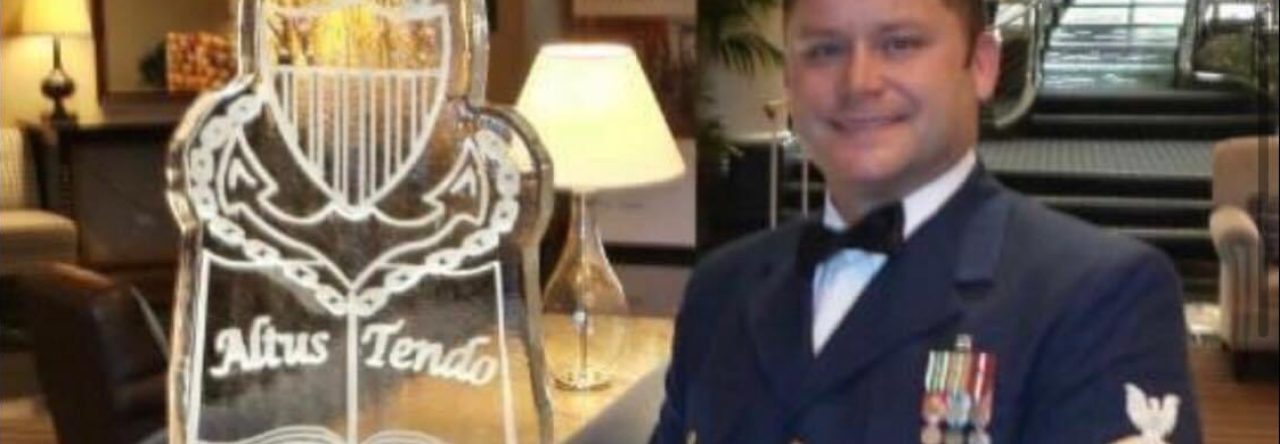
 I’m The 374th Surfman USCG