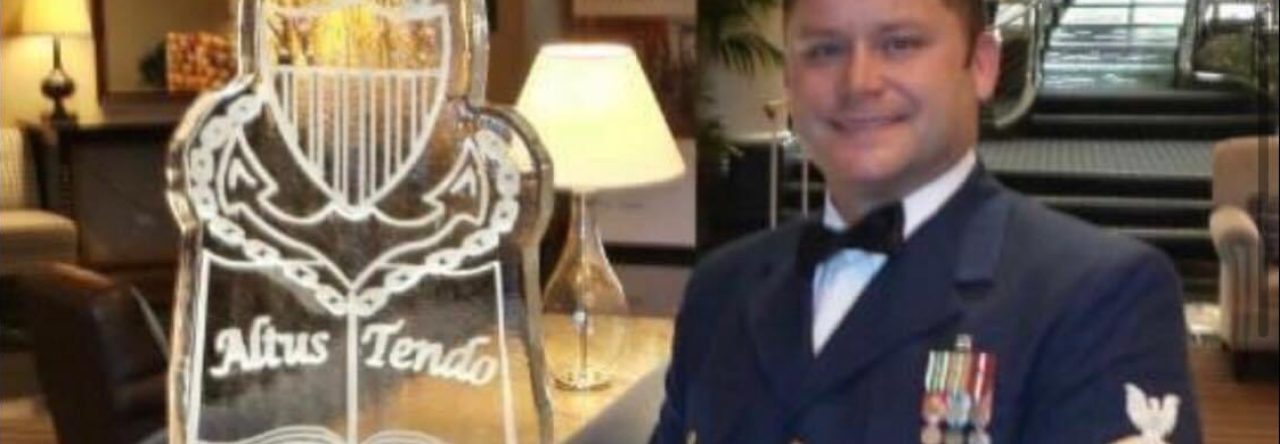
“Ran out of gas on highway / road pulled over took my boot off my left leg put my cruches in back of truck took meds fell asleep woke up to an asswhooping” true story! Like I haven’t had to walk enough! Then they stole my property at Salvation Army! Tattoo machines clothes shoes and my medicine and bathroom items! @surfman374 Instagram / YouTube David Michael Ramsey Facebook David Ramsey LinkedIn
503-298-0592 public phone number since 2002! Blacknbluepaintball SaltySoulTaxidermy rigsreefclassicspearfishing GatorGripp GatorGrippHD (stolen now called pullsetgrip stole my guns ivory identity everything I owned and 101lbs gold true story! Police brutality is real btw
That feeling that veterans are being overlooked or mistreated is shared by many, often stemming from personal frustrations with bureaucracy or broader political shifts. The sentiment that “they” (whether referring to the government, specific administrations, or the general public) don’t care often points to several specific issues:
Current Concerns and Criticisms
- Federal Job Reductions: Recent concerns have been raised regarding mass federal layoffs and “chaotic” rounds of firings at the VA. Critics argue these cuts disproportionately impact disabled veterans and signal a lack of concern for their well-being.
- VA Access & Understaffing: There are ongoing reports that the Department of Veterans Affairs (VA) is critically understaffed, making it difficult for veterans to access essential medical care and benefits.
- Political Rhetoric: Many feel veterans are used as political pawns. For instance, some argue that “MAGA” or other political movements only focus on veterans during campaign seasons, while others point to past comments by leaders that were seen as disrespectful toward service members.
- Societal Divide: A significant portion of the civilian population—nearly 75%—feels they have little in common with veterans, leading to a sense of “otherness” and misunderstanding.
Ongoing Support and Resources
Despite these frustrations, there are established systems and organizations designed specifically to support those who served:
- Financial & Medical Care: Over 93% of the VA’s annual budget is dedicated to pensions, medical care, and education programs. Some veterans receive 100% disability ratings that provide lifetime financial stability.
- Advocacy Groups: Organizations like the Disabled American Veterans (DAV) and the Veterans of Foreign Wars (VFW) actively fight against benefit cuts and lobby for better healthcare access.
- New Legislation: The PACT Act and similar toxic exposure mandates represent some of the most comprehensive expansions of veteran care in decades.
Are you experiencing a specific issue with VA benefits or employment right now, or are you reflecting on the overall climate for veterans?
Public perception of care for veterans is deeply divided, with many feeling that while veterans are celebrated,
they are often underserved by political systems and sidelined after their service. While federal, state, and local governments provide benefits like healthcare, education, and tax exemptions, critical issues remain regarding VA bureaucracy, mental health support, and systemic neglect.
Key issues regarding the perception of care for veterans include:
- Political Disconnect: Concerns exist that veterans are used for political gain, with claims that both major political parties sometimes fail to adequately fund or prioritize veteran care.
- Systemic Issues: Veterans face significant challenges with the VA system, including backlogs, navigating complex healthcare needs, and accessing mental health resources.
- Cultural Disconnect: Many veterans report feeling like a “stranger in their own country,” often feeling misunderstood or ignored by the general civilian population.
- Perception of Support: While many organizations offer support, some veterans feel they are treated as a source of income or a political prop rather than being supported as individuals.
Despite these challenges, organizations like National Veterans Homeless Support and Paralyzed Veterans of America work to bridge gaps in support.
 I’m The 374th Surfman USCG