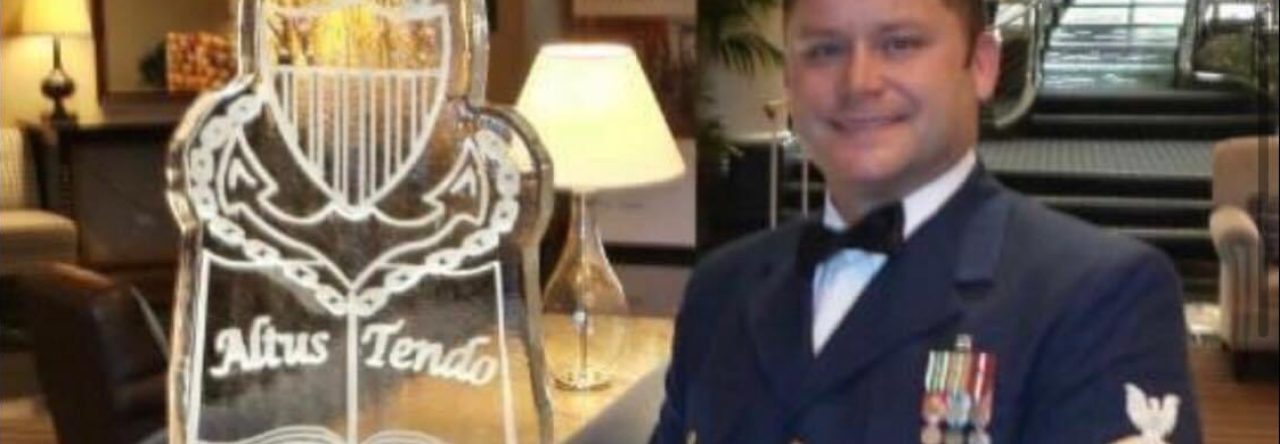
Make It Bold | Be About It | Talk About It 💙 #HUSTLR 🛡I spent 20 Years serving the United States of America. BMCRamsey, Surfman374. It was an amazing career as a Ready for Operations Inspector, Chief of Operations for the Largest Enlisted Unit in the Coast Guard, Small Arms Instructor, Federal Law Enforcement Officer (Boarding Officer) Surfman. I Graduated Airforce NCOA, USCG Chiefs Academy Altus Tendo. Instructor Development School, Advanced Outdoor Film and Production School, and from 2005-2021 held a 100Ton MMD Captian License. I received the Associations for Rescue’s at Sea Gold Medal in Washington D.C. along with numerous other Medals and Awards for Rescues 100’s of 1000’s in 20 years serving. Yes I’m 100% Percent Disabled 100% Service Connected 100% Combat Related don’t let it stop me. Life is yours enjoy it create it Daily. Proud Retired Chief Loving Man, Veteran, and Father. #DepartmentofHomelandSecurity MLEA U.S. Coast Guard Boarding Officers & Boarding Team Members. It’s #SetStandard #TacticsTechniques #TheUseofForce God Bless my prayers for #FLEO’s Every Believer U.S. Department of Homeland Security #surfman374 #rigsreefclassicspearfishing #gatorgripphd #pullsetgrip #chief #LEO #LifeMatters #protectandserve ❤️🤍💙”God Bless Founder #DMR @surfman374 #SaltySoulTaxidermy #TripleDigitHunter
rigsreefclassicspearfishing.com
During Hurricane Harvey, BMC David Ramsey and Coast Guard teams at Sabine Pass and surrounding regions utilized several types of specialized shallow-draft vessels to navigate complex urban flood zones.
Specialized Vessel Types
- Western River Flood Punts: These are small, 16-foot flat-bottom aluminum boats specifically designed for inland flood response. They are lightweight and can be towed behind trucks and manually launched into flooded streets.
- Airboats: Often coordinated through civilian volunteer groups like the “Cajun Navy,” airboats were critical for traversing areas where water was too shallow even for punts or where debris was too dense for traditional outboard motors.
- Cutter-Based Response Boats: While larger than punts, teams used the 29-foot Response Boat-Small (RB-S) and 35-foot Long Range Interceptor-II (LRI-II) to assess deeper channels and debris-strewn ports near the coast.
- Over-the-Horizon-IV (OTH-IV): These rigid-hull inflatable boats (RHIBS) were deployed from larger cutters to survey conditions and perform rescues in rougher, debris-heavy coastal waters.
Why They Were Effective
- Obstacle Navigation: The flat hulls of punts and the above-water propulsion of airboats allowed crews to glide over submerged hazards like cars, fences, and utility poles that would destroy the propellers of standard motorboats.
- Extreme Maneuverability: Their small size allowed rescuers to navigate “tight and narrow spots,” such as between houses and under carports, to reach survivors trapped on rooftops or in attics.
- Safe Boarding Design: Some shallow-draft vessels featured decks flush with the water line or top rails, making it easier to safely load elderly or incapacitated victims directly from flooded second-story windows or high ground.
- Versatile Launching: Because they could be launched from the back of a truck or the stern of a moving cutter, these vessels allowed for rapid deployment without needing a functional boat ramp.
In 2017, my life changed forever
BMC (Boatswain’s Mate Chief) David Michael Ramsey of the U.S. Coast Guard (USCG) was a key figure in emergency response efforts during Hurricane Harvey. Stationed at CG Station Sabine Pass, Ramsey and his team operated in extreme conditions as the Category 4 storm devastated the Texas coast.
Key Actions During Hurricane Harvey
- Station Evacuation and Flooding: Shortly after the storm made landfall in late August 2017, the Sabine Pass station was completely flooded. BMC Ramsey coordinated the immediate response and assisted in the safe evacuation of personnel as the facility became untenable.
- Rescue Operations: Following the flooding of the station, Ramsey transitioned to active rescue and recovery coordination, assisting residents in the heavily impacted Golden Triangle area (Beaumont, Port Arthur, and Orange), which saw record-breaking rainfall of over 26 inches in a 24-hour period.
- Post-Storm Transition: Ramsey continued his service until his retirement in early 2018, shortly after the primary recovery phase of the hurricane ended.
Related Figures
It is important to distinguish BMC David Michael Ramsey from Tom Ramsey, the current Harris County Commissioner for Precinct 3. Commissioner Ramsey, a professional engineer, frequently references the “devastation wrought by Hurricane Harvey” in his advocacy for major infrastructure projects, such as the Lake Houston Dam Spillway Improvement Project, aimed at preventing future catastrophic flooding in the Houston area.
Hurricane Harvey’s impact on the Sabine Pass and Golden Triangle (Beaumont, Port Arthur, and Orange) was defined by catastrophic rainfall that set national records and caused widespread industrial and residential devastation.
Historic Rainfall and Flooding
- Record-Breaking Totals: Nederland, Texas, recorded 60.58 inches of rain, the highest total from a tropical cyclone in U.S. history.
- Rapid Inundation: Port Arthur received 26 inchesof rain in a single day, leaving approximately 80% to 90% of the city underwater.
- River Crests: The Sabine River reached its second-highest crest on record at Orange, while record flood levels were also observed on Pine Island Bayou and the Lower Neches River.
Industrial and Environmental Impacts
- Refinery Shutdowns: The Golden Triangle, a major hub for the U.S. oil industry, saw massive disruptions. The Motiva refinery in Port Arthur, the largest in the U.S., was forced to shut down completely due to flooding.
- Chemical Releases: Flooding at an ExxonMobil refinery in Beaumont damaged sulfur dioxide capturing equipment, leading to the release of pollutants exceeding permitted levels.
- Infrastructure Damage: Widespread power outages affected approximately 370,000 customers across Texas, including heavy damage to the electricity grid in the Beaumont/Port Arthurregion.
Residential and Human Toll
- Housing Destruction:
- Jefferson County: Over 64,000 homesflooded.
- Orange County: More than 27,000 homessustained flood damage.
- Hardin County: Nearly 10,000 homes were affected.
- Trapped Residents: Unlike previous storms where residents evacuated, Harvey’s rapid rainfall trapped thousands within Port Arthur and Beaumont, necessitating over 17,000 rescues by federal forces and volunteer “civilian flotillas”.
- Economic and Health Long-term Effects: Many residents faced significant financial instability and “residual PTSD” in the years following the storm, particularly those without flood insurance.
The long-term environmental consequences of Hurricane Harvey in the Sabine Pass and Golden Triangle areas involved a “legacy of health concerns” driven by massive sediment displacement, significant toxic chemical releases, and lasting changes to local water ecosystems.
Toxic Chemical and Air Pollution
The region, uniquely surrounded by high-density industrial infrastructure, experienced severe pollution during and after the storm.
- Industrial Releases: Over 5.7 million pounds of air pollution were released by refineries and chemical plants in the month after landfall. In Beaumont, an ExxonMobil refinery released over 1,300 pounds of sulfur dioxide—roughly 10 times its permitted limit—after floodwaters damaged equipment.
- Persistent Health Risks: Long-term exposure to these pollutants, including carcinogens like benzene and 1,3-butadiene, is linked to higher incidences of respiratory cancer and leukemia in Beaumont compared to the rest of Texas.
- Soil and Groundwater Contamination: Hazardous spills and overflows from at least 14 toxic waste sites (Superfund sites) raised concerns that pollutants like lead, arsenic, and mercury were deposited in residential areas and could contaminate well water for years.
Sediment and Habitat Alteration
The sheer volume of floodwater permanently altered the physical and ecological landscape.
- Massive Sedimentation: Approximately 27 million cubic meters of sediment moved through the region’s waterways—up to 51 times the normal annual volume.
- Loss of Flood Capacity: This sediment settled in reservoirs and ship channels, reducing their water-holding capacity. If a similar storm occurred today, these areas would have less room for water, increasing future flood risks for nearby homes.
- Wetland Degradation: The eight-county region has lost over 12 billion gallons of natural wetland water storage capacity since 1996, a trend exacerbated by the storm’s erosion and subsequent development.
Aquatic and Marine Ecosystem Disruptions
Record-breaking freshwater inflows radically changed the chemistry of local bays and estuaries.
- Salinity Plunge: Trillions of gallons of rain created an unprecedented influx of freshwater into coastal systems, causing a “disastrous impact” on oyster populations that required years to recover.
- Nutrient and pH Shifts: Post-storm studies in nearby estuaries noted elevated ammonium levels and decreased pH (increased acidity) lasting into 2018.
- Offshore Pollution: Contaminated water from the coastline traveled as far as 100 miles offshore, introducing wastewater-associated bacteria to coral reef sponges at the Flower Garden Banks National Marine Sanctuary.
Hurricane Harvey exposed critical vulnerabilities in industrial disaster management, leading to significant changes in how facilities and regulatory agencies prepare for and respond to extreme weather.
1. Timing of Facility Shutdowns
- Proactive vs. Reactive Measures: A key lesson was the impact of shutdown timing on pollution levels. Facilities in Corpus Christi that shut down well before landfall reported significantly lower unpermitted air emissions than those in the Houston and Golden Triangle areas, which faced equipment failures and power outages after the storm arrived.
- Emission Control: Most hazardous pollutant releases occurred during the unstable phases of shutting down and restarting plants, particularly through massive flaring.
2. Infrastructure Resilience and “Natech” Risks
- Natech Events: The storm highlighted “Natural-Technological” (Natech) accidents—industrial incidents triggered by natural disasters. This led to a push for redesigned equipment, such as more resilient floating roofs for storage tanks, which frequently failed under the weight of Harvey’s record rainfall.
- Redundant Power Systems: The failure of backup generators at facilities like the Arkema chemical plant (which suffered explosions) demonstrated that critical safety systems must be elevated above projected flood levels to prevent catastrophic failures during prolonged power outages.
3. Regulatory and Oversight Gaps
- Air Monitoring Vulnerabilities: Many permanent air monitoring stations were shut down or damaged during the storm to prevent equipment loss. This created “blind spots” exactly when industrial releases were at their peak, leading to the increased use of mobile monitoring units and handheld instruments in later disaster plans.
- Spill Prevention Standards: Environmental advocates have used Harvey as evidence to push the EPA for stricter, federally mandated chemical spill-prevention rules, arguing that existing regulations do not adequately cover the specific risks of industrial toxic substance storage in flood-prone zones.
4. Environmental Justice and Community Health
- Disproportionate Impact: Lessons were learned regarding the vulnerability of low-income and minority neighborhoods surrounding industrial zones, which bore the “brunt of the toxic onslaught”. In 2026, disaster response plans increasingly prioritize these “fenceline” communities for rapid air quality alerts and medical resources.
- Communication Strategies: The storm proved that agencies must have pre-established communication strategies to empower local residents to prepare for inevitable industrial hazards during storms.
5. Staff and Personnel Readiness
- Human Resilience: Preparedness plans now emphasize that facility staff must have personal and family evacuation plans in place before a storm hits. Agencies found that when employees are preoccupied with their own families’ safety, their ability to manage complex industrial shutdowns is compromised.
According to BMC David Ramsey and Coast Guard after-action analysis, several critical lessons were identified regarding the use of specialized vessels during Hurricane Harvey:
- Need for Urban Search and Rescue (SAR) Modernization: Current policies and training for Western River Flood Punts (WRFP) were found to be outdated for urban environments. Policy limitations—such as restrictions against operating in “swift water” deeper than two feet or in winds over 20 mph—were often exceeded by necessity to complete rescues.
- Topographical Challenges and “Island” Effects:Rescuers learned that massive urban flooding is not uniform; instead, it consists of “lanes” of water separated by strips of dry land. This required frequent transitioning between trucks and boats, highlighting a need for more seamless amphibious transport or better-staged trailer systems.
- The Critical Role of Localized “Liaisons”:Coordination with the “Cajun Navy” and other volunteer airboat operators was essential but initially disorganized. A key lesson was the value of embedding Coast Guard personnel directly onto civilian boats to provide a link to command-and-control structures and ensure search grids were not duplicated.
- Equipment Durability and Design Flaws: Crews found that some equipment updates actually hindered performance. For example, replacing enclosed operational trailers with open aluminum ones increased the risk of slips and falls for crews operating in wet, high-stress conditions.
- Decentralized Command Effectiveness:Because the environment was “unpredictably dynamic,” empowering junior officers on the ground to make real-time decisions was vital. These junior leaders successfully directed rescue missions for an estimated 50,000 to 60,000 individuals by establishing their own landing zones and search grids.
- Modernization Investments for 2026: Based on these lessons, the Coast Guard has received historic funding in 2025–2026 to modernize its inland fleet, including the acquisition of Waterways Commerce Cutters and upgraded response boats designed specifically for extreme weather and challenging surf conditions.
As of 2026, the U.S. Coast Guard (USCG) is actively modernizing its flood and shallow-water rescue fleet, moving toward more specialized and capable vessels based on lessons learned from major storms like Hurricane Harvey.
1. Waterways Commerce Cutters (WCC)
The USCG is currently replacing its aging inland tender fleet with the new Waterways Commerce Cutter class. These are essential for maintaining navigable flood-prone waterways and restoring aids to navigation after storms.
- Chief Petty Officer Class: In late 2025, it was announced that each cutter in this class will be named after a Coast Guard Chief Petty Officer to honor the service’s senior enlisted leaders.
- Variants: The fleet includes River Buoy Tenders (WLR) and Inland Construction Tenders (WLIC). Construction on the first WLIC began in June 2025 at the Birdon America shipyard, with the first delivery scheduled for 2027.
- Capabilities: These cutters are designed with greater endurance, speed, and deck load capacity than their 60- to 80-year-old predecessors.
2. Next-Generation Response Boat-Small (RB-S)
In January 2026, the Coast Guard awarded four contracts for Response Boat-Small demonstrator vessels.
- Purpose: These 29- to 37-foot boats will be used to develop and validate requirements for the next generation of small rescue boats.
- Design: Each demonstrator is powered by twin 300-hp outboard engines (600 hp total) and is designed for high-speed search and rescue in varying coastal and inland conditions.
3. Specialized Shallow-Water Craft
The USCG continues to integrate specialized craft for extreme flooding where traditional deep-draft hulls fail.
- Inflatable Rigid Bottom (IRB) Boats: These are increasingly used by Task Force elements for navigating debris-strewn urban environments during catastrophic flash floods.
- Modernized Flood Punts: Small, lightweight aluminum “punts” remain a staple for high-water rescues. Recent versions emphasize over-ground portability, weighing roughly 180 lbs, allowing crews to manually carry them across dry strips of land between flooded “islands”.
4. Cutter Boat-Aids to Navigation-Small (CB-ATON-S)
As of early 2026, the USCG is acquiring up to 66 of these small specialized boats. Fifty-one of these will be deployed directly from the new Waterways Commerce Cutters to provide rapid, shallow-water response capabilities in ports and inland river systems.
 I’m The 374th Surfman USCG