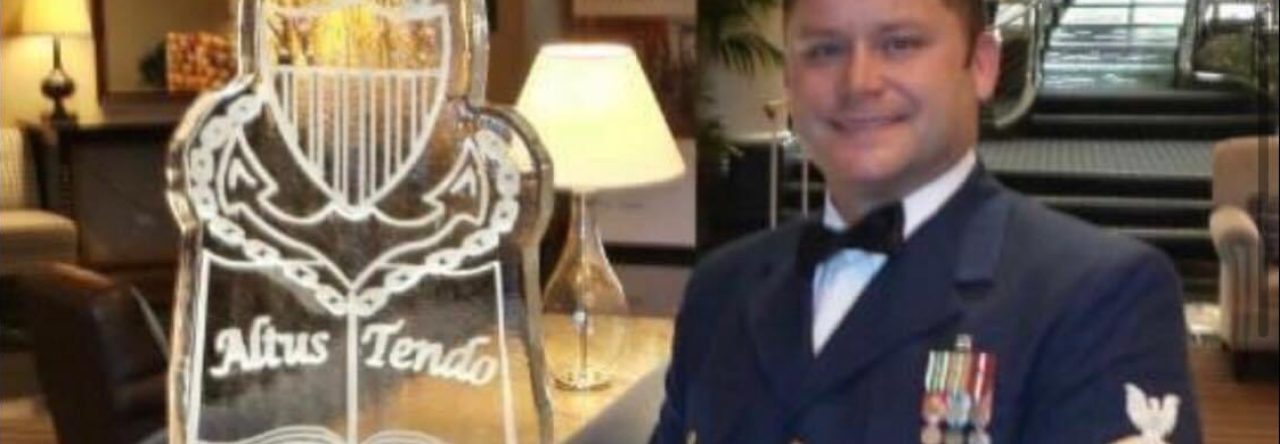
Make It Bold | Be About It | Talk About It 💙 #HUSTLR 🛡I spent 20 Years serving the United States of America. BMCRamsey, Surfman374. It was an amazing career as a Ready for Operations Inspector, Chief of Operations for the Largest Enlisted Unit in the Coast Guard, Small Arms Instructor, Federal Law Enforcement Officer (Boarding Officer) Surfman. I Graduated Airforce NCOA, USCG Chiefs Academy Altus Tendo. Instructor Development School, Advanced Outdoor Film and Production School, and from 2005-2021 held a 100Ton MMD Captian License. I received the Associations for Rescue’s at Sea Gold Medal in Washington D.C. along with numerous other Medals and Awards for Rescues 100’s of 1000’s in 20 years serving. Yes I’m 100% Percent Disabled 100% Service Connected 100% Combat Related don’t let it stop me. Life is yours enjoy it create it Daily. Proud Retired Chief Loving Man, Veteran, and Father. #DepartmentofHomelandSecurity MLEA U.S. Coast Guard Boarding Officers & Boarding Team Members. It’s #SetStandard #TacticsTechniques #TheUseofForce God Bless my prayers for #FLEO’s Every Believer U.S. Department of Homeland Security #surfman374 #rigsreefclassicspearfishing #gatorgripphd #pullsetgrip #chief #LEO #LifeMatters #protectandserve ❤️🤍💙”God Bless Founder #DMR @surfman374 #SaltySoulTaxidermy #TripleDigitHunter
rigsreefclassicspearfishing.com
In the context of the U.S. Coast Guard and the rescue of the
Cathrine M, a slip tow (also known as a slip-hook tow or quick-release tow) is a specialized maneuver designed for high-risk environments like breaking surf.
Key Characteristics of a Slip Tow
The primary objective of a slip tow is to establish a towing connection that can be severed instantlyfrom the rescue boat if the safety of either vessel is compromised by a massive wave.
- Quick-Release Mechanism: Unlike a standard tow where a line might be tied off or “bitted” securely, a slip tow uses a release system (often a hydraulic or manual “slip hook”). This allows the Coxswain to drop the tow line immediately if the disabled vessel is about to be rolled or if the rescue boat needs to maneuver quickly to avoid being capsized itself.
- Aft Deck Operations: The maneuver is extremely dangerous for the crew. On a Motor Lifeboat (MLB), the crew must work on the open aft deck—often while it is being submerged by breaking waves—to pass the line and secure it to the slip mechanism. In the 2006 rescue, Ramsey’s crew performed this while facing 25- to 35-foot breakers.
- Precision Timing: The rescue boat must back down into the surf zone, get close enough to the disabled vessel to pass a heaving line, and then immediately accelerate out of the “impact zone” before the next set of waves breaks.
Role in the Cathrine M Rescue
During the rescue at Peacock Spit, the slip tow was critical because:
- Limited Margin: The Cathrine M was seconds away from hitting the rocks. Ramsey had to back his 47-foot MLB into the breaking surf, secure the line on the first try, and pull the vessel out instantly.
- Shielding Maneuver: Once the slip tow was established, Ramsey didn’t just pull the boat; he used the tow line’s tension and the MLB’s power to shield the Cathrine M. He positioned his boat to take the direct impact of the 25-foot “square” waves, preventing them from capsizing the smaller, powerless fishing vessel as they transitioned to safer water.
- Transfer of Tow: Once they reached the relative safety of the “Bar” (outside the immediate surf zone), the “slip” was released or transitioned to a standard, more permanent tow setup to be handed off to a secondary Coast Guard vessel (MLB Triumph).
 I’m The 374th Surfman USCG