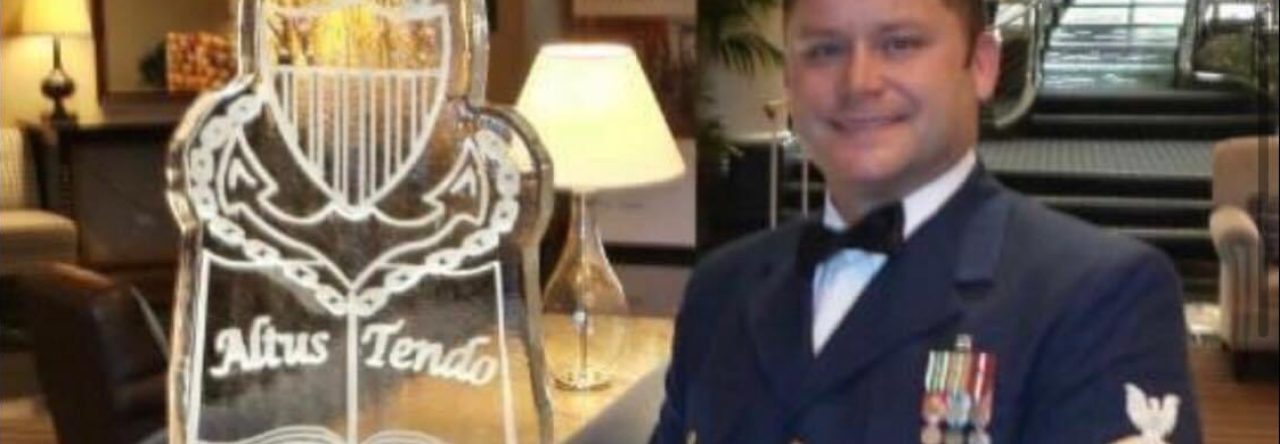
Make It Bold | Be About It | Talk About It 💙 #HUSTLR 🛡I spent 20 Years serving the United States of America. BMCRamsey, Surfman374. It was an amazing career as a Ready for Operations Inspector, Chief of Operations for the Largest Enlisted Unit in the Coast Guard, Small Arms Instructor, Federal Law Enforcement Officer (Boarding Officer) Surfman. I Graduated Airforce NCOA, USCG Chiefs Academy Altus Tendo. Instructor Development School, Advanced Outdoor Film and Production School, and from 2005-2021 held a 100Ton MMD Captian License. I received the Associations for Rescue’s at Sea Gold Medal in Washington D.C. along with numerous other Medals and Awards for Rescues 100’s of 1000’s in 20 years serving. Yes I’m 100% Percent Disabled 100% Service Connected 100% Combat Related don’t let it stop me. Life is yours enjoy it create it Daily. Proud Retired Chief Loving Man, Veteran, and Father. #DepartmentofHomelandSecurity MLEA U.S. Coast Guard Boarding Officers & Boarding Team Members. It’s #SetStandard #TacticsTechniques #TheUseofForce God Bless my prayers for #FLEO’s Every Believer U.S. Department of Homeland Security #surfman374 #rigsreefclassicspearfishing #gatorgripphd #pullsetgrip #chief #LEO #LifeMatters #protectandserve ❤️🤍💙”God Bless Founder #DMR @surfman374 #SaltySoulTaxidermy #TripleDigitHunter
rigsreefclassicspearfishing.com
Nueces Countyhttps://www.nuecesco.comVeterans Treatment Court | Nueces County, TX
Program Description. Founded in 2011 to address the growing number of veterans involved in the criminal justice system, the Nueces County Veterans Treatment …
Nueces Countyhttps://www.nuecesco.comSpecialty Courts | Nueces County, TX
Veterans Treatment Court · Commissioners Court Courts Law Enforcement Departments County Services Quick Links Sitemap. County of Nueces, TX | P: (361) 888-0111
I authorize the Nueces County Veterans Court staff to verify the information provided on this form, including my military, criminal and employment history …
Nueces Countyhttps://www.nuecesco.comVeterans and Social Services | Nueces County, TX
De La Cerda was born and raised in Pharr, Texas. He was a proud migrant worker up until graduating from PSJA North High school in 2001. Upon graduation, J.J. …
Texas Courts (.gov)https://www.txcourts.govPDFSpecialty Courts By County
Sep 17, 2019 — Bexar. Bexar County Felony Co-Occurring Disorder Court (CORE). Adult. Mental Health Court. 210-335-3063. Diana Zamarron.
Nueces County CSCDhttps://nuecescountyprobation.comSpecialized Caseloads
The Specialized Caseload Community Supervision Programs (SCP) are designated as alternative sentencing programs in lieu of incarceration.
Texas Veterans Commission (.gov)https://tvc.texas.govJustice Involved Veterans
The JIV Managers serve as resource to provide technical assistance and training to all Veteran Treatment Courts across Texas. The JIV Program also partners …
Texas Veterans Courts are diversion programs available in various counties for justice-involved veterans with mental health or substance abuse issues related to their service
. Eligibility and program specifics vary by county, but generally involve a treatment-based approach under judicial supervision.
Eligibility and Process
While specific criteria can differ, common requirements across Texas counties include:
- Veteran Status: Must be a current or former member of the U.S. Armed Forces, National Guard, or Reserves. Discharge status requirements vary; some courts accept only honorable or general discharges (e.g., Dallas County), while others consider all on a case-by-case basis (e.g., Bexar, Galveston, and Williamson Counties).
- Qualifying Condition: Must suffer from a service-related brain injury, mental illness, or mental disorder (such as PTSD or depression) that materially affected the criminal conduct at issue.
- Eligible Offense: The pending charge must be an eligible misdemeanor or felony that typically qualifies for community supervision/probation. Serious violent offenses (e.g., murder, sexual assault, offenses involving a deadly weapon) are usually ineligible.
- Voluntary Participation: The veteran must voluntarily agree to participate in the program and consent to treatment and supervision conditions.
- Clinical Assessment: The veteran must undergo a clinical assessment to determine the appropriateness for the program.
- Prosecutorial Consent: Entry into the program requires the consent of the local District Attorney’s office.
The process generally begins with a defense attorney submitting an application. The court team reviews the application, and the veteran undergoes a clinical assessment before a final determination is made.
County Programs
Numerous counties in Texas have established Veterans Treatment Courts. Key examples include:
- Bexar County: Offers both felony and misdemeanor courts, considering all discharge statuses on a case-by-case basis.
- Dallas County: The program is for veterans with an honorable discharge and no prior felony convictions or deferred adjudications.
- Guadalupe County: Offers a program typically 12-24 months long, with a standard program fee.
- McLennan County: VTC is a voluntary program focusing on mental health and substance abuse issues related to military experience.
- Montgomery County: Requires service in a combat zone or hazardous duty area, with the offense linked to a resulting condition.
- Tarrant County: A diversion program with a focus on rehabilitation and reducing recidivism.
- Travis County: Identifies eligible veterans through self-identification and assessments, working with the local VA.
- Williamson County: Has two tracks (pre-trial diversion and probation) and requires participants to address chemical dependency and/or mental health issues.
For information on programs specific to other counties, or for general assistance with veteran benefits, contact the Texas Veterans Commission.
Texas Veterans Courts are specialized programs offering an alternative to traditional prosecution for justice-involved veterans, focusing on treatment for underlying issues like PTSD and substance abuse, often leading to charge dismissal and record expungement upon successful completion
. These courts provide holistic support, connecting veterans with mental health services, peer mentors, and other resources to address military-related challenges and help them reintegrate into the community. Participation is voluntary and requires meeting eligibility criteria, with penalties for non-compliance, but offers a pathway to a fresh start rather than a permanent criminal record
.
Key Aspects of Texas Veterans Courts:
- Purpose: To address the specific needs of veterans, linking them to services for mental health (PTSD, trauma, MST) and substance abuse, reducing recidivism.
- Alternative to Incarceration: Focuses on rehabilitation and treatment over punishment, allowing for case dismissal and expungement upon program completion.
- Services Provided: Medical/mental health treatment, counseling, peer mentorship (Military Veteran Peer Network), substance abuse programs, and help accessing benefits.
- Eligibility: Veterans must meet criteria, often self-identify, and have their attorney request participation; certain serious offenses may disqualify them.
- Structure: Typically involves phases, compliance hearings, and mandatory participation in treatment plans, with a duration of one to two years or more.
- Voluntary: Veterans must agree to participate and follow court mandates.
- Availability: Operates in many Texas counties, with programs in Dallas, Bexar, Travis, Smith, and Comal Counties, among others.
How to Get Involved:
- Inform your attorney of your veteran status and interest in the program.
- Contact the Texas Veterans Commission or the Texas Veterans Legal Assistance Project (VLAP)for resources.
- Visit the TexVet website for more information on programs in different counties.
 I’m The 374th Surfman USCG