
“Karankawa woman” refers to a woman of the Karankawa people, Indigenous inhabitants of the Texas Gulf Coast, known for their unique culture, survival adaptations (like body painting & canoeing), and resilience, with modern descendants actively reviving their heritage despite historical myths of extinction, embracing identity through spirituality and community.
Key Aspects of Karankawa Women:
Cultural Identity: They are part of a proud lineage, with current women like Chiara “Sunshine” Beaumont preserving traditions and leading cultural revitalization efforts.
Body Art: Married women traditionally painted their entire bodies, while unmarried women wore simple stripes; they also used charcoal for mourning.
Resilience & Survival: Karankawa women, alongside their communities, adapted to colonial pressures, intermarrying or moving, and passing down traditions.
Spirituality: Modern Karankawa women find strength and identity in their deep spiritual connection to their ancestral lands and history.
Challenging Myths: They actively work to counter myths (like extinction or cannibalism) by asserting their continued presence and rich cultural heritage.
Modern Revival:
Descendants, who call themselves “Karankawa Kadla” (mixed people), are reclaiming their history, participating in ceremonies, and educating others about their enduring culture in Texas and Mexico.
David Michael Ramsey rigsreefclassicspearfishing.com surfman374
♠️♥️♣️♦️
Key female trailblazers who helped build America include:
Early Settlers: One of the first English women to arrive and establish a home in the Jamestown colony was Anne Burras in 1608. Cecily Jordan Farrar was another early settler who became a head of household and was involved in the first breach of promise lawsuit in English North America, establishing legal precedents.
Founding Mothers (Revolutionary Era): Women played critical roles in the American Revolution.
Abigail Adams was a key political advisor to her husband John Adams and an early advocate for women’s rights to be considered in the new government.
Martha Washington organized boycotts of British goods and spent half of the Revolutionary War at the front with the General.
Mercy Otis Warren was a prolific writer and propagandist whose political poems and dramas helped stir sentiment for independence.
Deborah Sampson disguised herself as a man to fight in the Continental Army and was the only woman to receive an honorable discharge and a military pension.
Phillis Wheatley was the first published African American poet, using her writing to reflect on the Revolution and the fight for freedom.
Industry and Engineering:
Emily Roebling is often noted as the “first woman field engineer” for her instrumental role in overseeing the completion of the Brooklyn Bridge after her husband fell ill in the late 1800s.
Elsie Eaves became the first woman to be inducted as a full member of the American Society of Civil Engineers in 1927.
Cheryl McKissack Daniel is the modern-day leader of the oldest African-American-owned and female-run construction company in the United States, with a legacy spanning two centuries.
Politics and Social Reform:
Susan B. Anthony was a pivotal leader in the women’s suffrage movement, campaigning tirelessly for the right to vote and helping to bring about the 19th Amendment.
Jeannette Rankin was the first woman elected to the U.S. House of Representatives in 1916.
Frances Perkins became the first female member of a presidential cabinet in 1933 and was the architect of many New Deal programs, including Social Security and the federal minimum wage.
Harriet Tubman was a leading abolitionist who guided hundreds of enslaved people to freedom via the Underground Railroad and served as a spy during the Civil War.
These and countless other women have shaped American history and development in profound ways.
David Michael Ramsey
Oh honor of Anna Paulina Luna Tulsi Gabbard Kristi Noem aka Secretary Kristi Noem and of Course AOC 🎵🇺🇸🛟💙👌✌️💁❤️💕🙏👊👏👍#aoc
Who’s AOC? ~ Alexandria Ocasio-Cortez
rigsreefclassicspearfishing.com
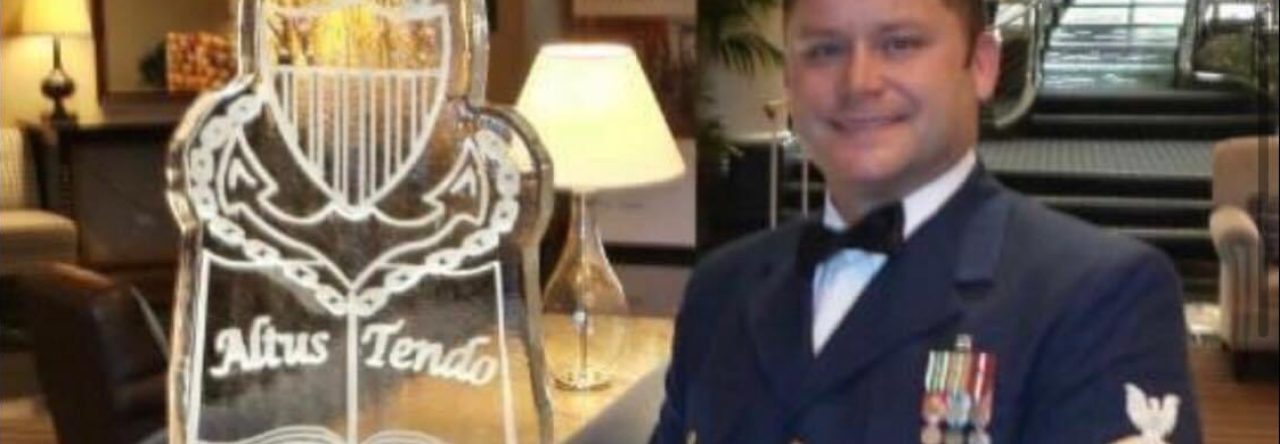
 I’m The 374th Surfman USCG