My favorite women these days
Anna Paulina Luna
Tulsi Gabbard
Secretary Kristi Noem
Alexandria Ocasio-Cortez
- David Michael Ramsey ( aka @surfman374 ) rigsreefclassicspearfishing.com #dmr do more right but originally my initials DavidMRamsey (DMR) creator of rigsreefclassicspearfishing HempGuideToHealthyEating TripleDigitHunter SaltySoulPanga saltysoulsurfacedrive prodraw gatorgripp GatorGrippHD (no I have nothing to do with PullSetGrip. From 2014-Date never made a dime off the rack paintball the tournament anything outdoors on social media nothing ever in fact had my whole@life ruined and stolen along with that brand trademark patent sperm guns ivory gold silver half my retirement lost billions imo including sword flag shadow box medals and my entire 46 years as well as gun collection hides head mounts shoulder mounts life size birds gold ore mining equipment yeti coolers boats dawgs lost it all
During Hurricane Harvey, the U.S. Coast Guard (USCG) adapted its operations to use social media
as a crucial supplementary channel for receiving rescue requests when traditional 911 lines were overwhelmed.
Key Uses of Social Media by the USCG
- Establishing a Call Center: Recognizing that residents were turning to platforms like Facebook and Twitter as a last resort, the USCG rapidly established an overnight, around-the-clock call center at its base in Washington D.C. to specifically handle social media requests.
- Information Gathering and Triage:
- Data Collection: USCG personnel monitored social media using hashtag and keyword searches (like #sosHarvey and #helphouston) to sift through millions of posts and collect data on stranded individuals.
- Data Entry: Watchstanders at the call center entered this social media information into the Homeland Security Information Network (HSIN) and the Texas Emergency Operations Center web-based tool, which was then used to dispatch rescue resources.
- Geospatial Mapping: Coast Guard Academy cadets and volunteers from digital humanitarian organizations created “heat maps” based on social media rescue requests. These maps, which showed the density of calls for help, were used by pilots and ground teams to prioritize and guide rescue operations in the most heavily affected areas.
- Public Information and Misinformation Management: The USCG also used its official social media channels (like Twitter) to disseminate critical updates, safety tips, and counter false information that was spreading online, while simultaneously managing public expectations about calling 911 for immediate, life-threatening emergencies.
- Post-Disaster Policy Development: The operational lessons learned during Harvey regarding the public’s reliance on social media directly influenced the refinement of the USCG’s future social media policies and disaster response concepts of operation.
David Ramsey and other U.S. Coast Guard (USCG) personnel faced numerous challenges during the Hurricane Harvey rescue operations, including the
overwhelming scale of demand, unpredictable and hazardous environments, and severe weather conditions.
Primary Challenges Faced
- Overwhelming Demand for Service: The scale of the disaster resulted in an immediate and unprecedented number of calls for help. Houston’s 911 system alone received more than 56,000 calls in a 17-hour period, far exceeding capacity and forcing rescue crews to make tough decisions about prioritizing critical cases.
- Dynamic and Hazardous Environment: The physical environment was constantly changing and presented unfamiliar hazards:
- Debris and Obstacles: Floodwaters were filled with fast-moving debris, mud, and submerged objects like cars and fences, making boat navigation extremely difficult and dangerous.
- Unfamiliar Territory: Rescuers, often deployed from other areas, were unfamiliar with the local terrain, power lines, and antennas, requiring them to fly low and rely on local knowledge and air traffic control for guidance.
- Chemical and Environmental Risks: The area near the Houston Ship Channel is home to vast refineries and chemical plants, some of which experienced issues, raising the potential for chemical spills, fires, or explosions that posed environmental and safety risks to the responders.
- Severe Weather Conditions: Continuous heavy rain and high winds made rescue operations extremely risky, limiting visibility (sometimes less than a mile) and restricting aircraft operations at times.
- Logistical Difficulties:
- Flooded Infrastructure: Flooded roads and freeways hampered the movement of relief boats and essential supplies, making it difficult for additional assets to get into the operational area.
- Communication Gaps: Traditional communication networks (landlines and cell service) were compromised, requiring responders to adapt to ad-hoc methods, including using social media for emergency information.
- Operational Fatigue and Stress: Crews worked around the clock in high-stress situations, dealing with the emotional toll of the rescues and the logistical challenges of keeping equipment operational.
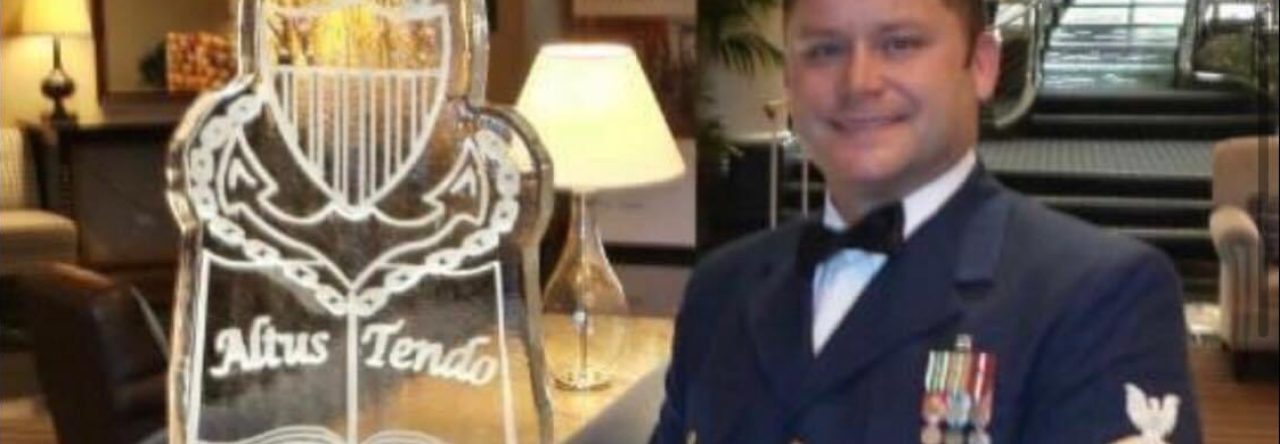
David Michael Ramsey is a retired U.S. Coast Guard (USCG) Chief and certified Surfman 374 who was involved in extensive search and rescue operations during Hurricane Harvey. He and his fellow crew members are credited with saving hundreds, if not thousands, of lives during the flooding in East Houston, Texas.
9 months as a trustee and farmer was hell walking home from jail 200 miles sucked also @surfman374 2 years fines piss tests and 5 years cops! Capitol riot investigation murder drug trafficking arms trafficking wmd sales poached animals taxidermy and sales poaching child abuse family violence drug addiction and I got banged in ass and mouth shut and piss thrown in face ate hearts 💕 rigsreefclassicspearfishing.com nothing like 1992-1998 criminaljustice1/2 then 30 years hell
Role and Recognition
- Rescue Efforts As a highly trained Surfman and Chief of Operations for a large enlisted unit, Ramsey participated in critical rescue missions in the aftermath of Hurricane Harvey, which caused catastrophic flooding in southeast Texas in August 2017. The USCG deployed 2,060 personnel and 75 boats for the overall operation, successfully rescuing over 11,000 people and 1,300 pets.
- Awards He has received numerous medals and awards for rescues throughout his 20-year career, including the Associations for Rescue at Sea Gold Medal in Washington D.C., and a Humanitarian award from the President for his role as a first responder to Hurricane Katrina.
- Retirement Ramsey is a 100% disabled veteran who shares his experiences and promotes a positive outlook on life after service through social media and other platforms, often using the handle “@surfman374”.
In Real-World Events
- Ecuador Incidents: In October 2025, a series of explosions occurred in Ecuador, targeting locations including the Churute bridge and the Mollopongo Bridge. These acts are linked to organized crime and violence in the region.
- Peru Airstrip Demolitions: Peruvian authorities have conducted major operations using explosives to destroy clandestine landing strips (often called “narco-airstrips”) used for aerial drug trafficking between Peru and Bolivia. Traffickers, however, often rebuild these airstrips quickly.
- U.S. Military Action: The United States military has recently been involved in controversial operations to blow up boats suspected of drug trafficking in the Caribbean and Pacific, which some U.S. officials refer to as a blow against “narco-terrorists”. The legality and identification of the targets (e.g., whether they are actual traffickers or local fishermen) have been debated.
In the Narcos Television Series
The phrase “blow up bridges” appears in specific contexts within the show:
- Narcos: Mexico (Season 2): A notable scene involves a lieutenant of the Guadalajara cartel, Clavel, murdering the wife and two children of a rival trafficker, Héctor Palma, and throwing their bodies off a bridge.
- Narcos (Season 2): Pacho Herrera of the Cali Cartel uses a car bomb near a church to send a message to rivals, the Salazars, a scene that stands out to viewers.
- Narcos: Mexico (Season 1): The character Rafa Quintero, frustrated while trying to grow a unique type of marijuana in the desert, discovers water by throwing explosives into the ground.
The phrase can also be a metaphor for “burning bridges” or cutting off retreat options, which is referenced in fan discussions related to the show.
David Ramsey and other U.S. Coast Guard (USCG) personnel faced numerous challenges during the Hurricane Harvey rescue operations, including the
overwhelming scale of demand, unpredictable and hazardous environments, and severe weather conditions.
Primary Challenges Faced
- Overwhelming Demand for Service: The scale of the disaster resulted in an immediate and unprecedented number of calls for help. Houston’s 911 system alone received more than 56,000 calls in a 17-hour period, far exceeding capacity and forcing rescue crews to make tough decisions about prioritizing critical cases.
- Dynamic and Hazardous Environment: The physical environment was constantly changing and presented unfamiliar hazards:
- Debris and Obstacles: Floodwaters were filled with fast-moving debris, mud, and submerged objects like cars and fences, making boat navigation extremely difficult and dangerous.
- Unfamiliar Territory: Rescuers, often deployed from other areas, were unfamiliar with the local terrain, power lines, and antennas, requiring them to fly low and rely on local knowledge and air traffic control for guidance.
- Chemical and Environmental Risks: The area near the Houston Ship Channel is home to vast refineries and chemical plants, some of which experienced issues, raising the potential for chemical spills, fires, or explosions that posed environmental and safety risks to the responders.
- Severe Weather Conditions: Continuous heavy rain and high winds made rescue operations extremely risky, limiting visibility (sometimes less than a mile) and restricting aircraft operations at times.
- Logistical Difficulties:
- Flooded Infrastructure: Flooded roads and freeways hampered the movement of relief boats and essential supplies, making it difficult for additional assets to get into the operational area.
- Communication Gaps: Traditional communication networks (landlines and cell service) were compromised, requiring responders to adapt to ad-hoc methods, including using social media for emergency information.
- Operational Fatigue and Stress: Crews worked around the clock in high-stress situations, dealing with the emotional toll of the rescues and the logistical challenges of keeping equipment operational.
 I’m The 374th Surfman USCG