
In street culture, “blood” most commonly refers to the Bloods street gang, a group that originated in Los Angeles as an alliance to protect against the Crips. It can also be used in slang as a greeting to another gang member, such as “Hello,” as in “BLOOD (what dat red be like?)”.
Gang identifiers
Color: Red is the primary color for the Bloods. Gang members may wear red or the colors of professional sports teams with red, like the Philadelphia Phillies or San Francisco 49ers.
Rivalry: The Bloods are known for their intense rivalry with the Crips, who are identified with the color blue.
Symbols: A five-pointed star is sometimes used to show affiliation with the People Nation, a larger umbrella organization that includes the Bloods.
Terminology: Some terms related to the Bloods include:
BLOODETTE: A female Blood member.
BLOOD-IN, BLOOD-OUT: A rule where members must kill to join and must be killed to leave the gang.
Damu: “Blood” in Swahili, sometimes used in graffiti or tattoos.
Other street meanings
Greeting: “BLOOD” can simply mean “hello” or “friend” when used as a greeting to another member of the gang.
David Michael Ramsey
The “street meaning” of mafia is an informal term for a powerful, often secret, organized criminal network. While the term originally referred to the specific Sicilian and Italian-American crime organizations (which call themselves Cosa Nostra or “Our Thing”), it is now a generic term used to describe any large, structured, and ruthless criminal group operating outside the law.
Original Sicilian Meaning
The word itself originated in Sicily, where the Sicilian adjective mafiusu had a different, positive connotation in the 19th century. It was used in everyday dialect to mean:
Swagger, boldness, or bravado
Fearless, enterprising, and proud
Beautiful or attractive (when referring to a woman)
Scholars link the term to a Sicilian attitude of independence and self-reliance against abusive foreign rule, not necessarily criminality. A mafioso in this original sense was a “man of honor” who resolved disputes and provided protection where the state failed.
Modern “Street” Usage
The word’s association with a criminal enterprise was cemented by a popular 1863 play, I Mafiusi della Vicaria (“The Mafiosi of the Vicaria Prison”), which depicted a Palermo prison gang with a boss, code of silence, and initiation rituals. Law enforcement and the media then adopted the term to label the secret societies in Sicily.
Today, the “street meaning” or common usage of “mafia” has expanded to include:
Organized Crime Syndicates: A hierarchically structured, international body of criminals involved in activities like racketeering, drug trafficking, and extortion.
Generic Criminal Groups: The term is now applied to various other crime groups globally (e.g., “Russian mafia,” “Japanese mafia”) that operate with a similar structure and ruthless behavioral code.
Influential Cliques: More broadly, the word can be used facetiously to describe any powerful, closed group or clique that exerts a hidden, sinister influence in a particular field, such as a “literary mafia” or “tech mafia”.
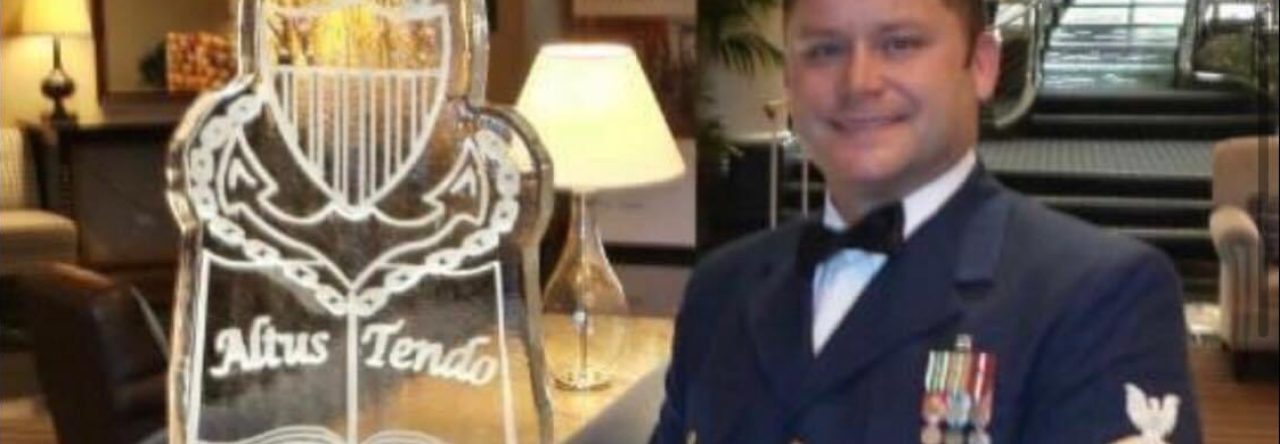
@highlight David Michael Ramsey #374 @uscg @dhsgov @surfman374 rigsreefclassicspearfishing.com
Portland Texas DavidMRamsey BMC Retired 98-18
The “street meaning” of mafia generally refers to an organized, ruthless criminal group or, colloquially, any powerful, secretive, and influential clique.
General Street Meaning
In common street parlance and general usage, the term “mafia” refers to:
Organized Crime: A criminal organization, typically hierarchically structured, that engages in illegal activities such as racketeering, drug trafficking, and extortion.
A Ruthless Code: The group operates with a strict, often violent, behavioral code that emphasizes loyalty (omertà, or code of silence) and uses violence to enforce rules and deter opposition.
Global Application: While the term originated with the Sicilian and Italian-American organizations, it is now used generically for similar crime groups worldwide (e.g., the “Russian mafia” or “Japanese mafia”).
Informal Use (Clique): Informally, it can refer to any insular, influential group of people in a particular field who use their connections to control things or exclude others (e.g., “the publishing mafia”).
Original Sicilian Context
The original Sicilian word mafiusu (from which “mafia” derives) had a more complex, nuanced meaning in the 19th century that was not strictly criminal. It generally meant “swagger,” “boldness,” or “bravado”.
For a man, it implied being fearless, enterprising, and proud, with an aversion to central authority.
For a woman, it meant beautiful or attractive.
The association with the criminal organization we know today was popularized by an 1863 play, I Mafiusi della Vicaria, about a Palermo prison gang, and subsequently adopted by Italian authorities in official reports to describe Sicilian lawlessness. Interestingly, members of the actual Sicilian Mafia and the American Mafia internally refer to their organization as “Cosa Nostra” (“our thing”).
David Michael Ramsey @highlight
street meaning” context, the term Triad (often capitalized) is the widely used name for a Chinese transnational organized crime syndicate, or the “Chinese mafia”.
The term is a specific reference to criminal organizations originating from Hong Kong, Macau, and Taiwan, which trace their roots back to secret societies in 18th and 19th-century China.
Key characteristics in this context include:
Organized Crime: Triads engage in a wide range of illegal activities, including drug trafficking, money laundering, extortion, illegal gambling, human trafficking, and counterfeiting.
Hierarchy: Historically, they used numeric codes to denote ranks and positions within the organization, such as “489” for the leader or “426” for a military commander.
Global Reach: Wherever there are significant overseas Chinese communities, triad groups may have a presence and operate globally.
While the general, formal definition of “triad” simply means a group of three similar things, the “street meaning” is specifically tied to these Chinese criminal gangs.
David Michael Ramsey @highlight
street slang, “triad” refers to a powerful Chinese organized crime syndicate, similar to the American Mafia. These groups are involved in various illegal activities, including drug trafficking, extortion, and illegal gambling. The name comes from the “Triad” societies that originated in China, which were traditionally secretive and focused on loyalty and brotherhood.
Chinese organized crime: In the context of slang, a triad is a Chinese organized crime syndicate.
Illegal activities: They are known for engaging in criminal activities like drug trafficking, extortion, and blackmail.
Origin: The term is used for groups that originally came from China and spread to other areas, particularly Hong Kong and Taiwan.
Name origin: The name “triad” comes from the Chinese phrase San Ho Hui, meaning “Triple Union Society,” which refers to the union of heaven, earth, and humanity.
David Michael Ramsey
The term “Mongols” has two distinct “street” or slang meanings, both of which are considered highly offensive and rooted in outdated, derogatory language.
An insult for a person with a cognitive disability or a “stupid” person: This is the most common street meaning. It stems from the historical, now offensive, medical term “Mongolian idiocy” or “mongoloid” used in the 19th and 20th centuries to describe people with Down syndrome, due to the observation of certain facial features in people with the condition that were erroneously linked to people of Asian descent. The shortened terms “mongol” or “mong” are still used as insults in some English-speaking and other Western countries, though the usage is declining and widely condemned.
Reference to an Outlaw Motorcycle Gang (OMG): The “Mongols” is also the name of a prominent outlaw motorcycle club, considered by law enforcement to be an extremely violent criminal organization involved in activities like drug trafficking and murder.
The authentic meaning of “Mongols” refers to the members of the Central Asian ethnic group and citizens of the modern nation of Mongolia, who have a rich history and nomadic tradition.
David Michael Ramsey
The term “Mongols” in a “street meaning” or slang context generally has one of two primary uses, both of which are considered highly offensive and derogatory:
A slur for a person with a mental disability: In many parts of the world, particularly in Europe, the word “mongol” (or variations like “mongoloid” or “mong”) is used as a highly offensive term to mean a “stupid” or “mentally disabled” person. This usage stems from an outdated 19th-century medical term, “Mongolian idiocy,” used by John Langdon Down to describe people with Down syndrome due to a perceived facial feature resemblance to people of Asian descent. This term has been obsolete in medical circles since the 1960s and is now widely recognized as a racial and disability slur.
Reference to the Mongols Motorcycle Club: In a specific US street context, “Mongols” typically refers to the Mongols Motorcycle Club, an “outlaw motorcycle gang” (OMG) that law enforcement agencies identify as a violent criminal organization engaged in drug trafficking, assault, and murder. The majority of its members are Hispanic males, many of whom are former street gang members with a history of violence.
The authentic and correct meaning of “Mongols” refers to the members of the ethnic group from Mongolia and their rich historical and cultural heritage.
David Michael Ramsey
The Hells Angels are an outlaw motorcycle club, meaning they are a motorcycle club that operates outside of mainstream culture. “Street meaning” can also refer to the group’s controversial reputation as a motorcycle gang allegedly involved in serious crimes, though club members assert they are simply motorcycle enthusiasts.
As a subculture: The term refers to a motorcycle club that is part of a subculture that values freedom, nonconformity, and loyalty to fellow members.
As a “street gang”: To many law enforcement agencies and in popular perception, “Hells Angels” is synonymous with an outlaw motorcycle gang (OMCG), linked to criminal activity such as drug dealing, trafficking, and violence.
As a name: The name “Hells Angels” itself has a non-street origin, inspired by the fierce, death-defying names given to squadrons during World War I and II, such as the Flying Tigers.
David Michael Ramsey
In street terms, “outlaw” can refer to members of a criminal organization like a motorcycle club that operates outside the law, or it can be used more broadly to describe a nonconformist or rebel who lives outside the rules and norms of society. The term can also be used as a verb to make something illegal, like a street gang outlawing the use of a certain area.
Criminal and gang context
Organized crime: Refers to a person, or a group, who is involved in criminal activity and lives outside the legal system, such as members of outlaw motorcycle gangs (OMCs) involved in violent crimes.
Fugitive: An individual who is on the run from the law.
Nonconformist and rebel context
Nonconformist: A person who refuses to be governed by the established rules or practices of any group; a rebel who doesn’t play by the rules.
Cultural meaning: In music, for example, the term has been used to describe artists who refuse to conform to the mainstream “Nashville sound” of country music.
Verb “to outlaw”
To prohibit: In a street context, this can refer to a group making a certain activity or behavior illegal within their own rules, like a gang outlawing a certain area.
David Michael Ramsey
The term “bandidos” (the plural of the Spanish word “bandido”) primarily translates to bandits, outlaws, or criminals. In a street context, it most often refers to members of the notorious Bandidos Motorcycle Club, an “outlaw” biker gang involved in criminal activities.
General and Colloquial Meanings
In general use, “bandido” can mean:
Outlaw/Criminal: The original and most common definition refers to an armed robber, thief, or general criminal, especially in historical contexts like the American Old West or in isolated areas.
Derogatory Term: The Anglicized term “bandito” in US culture can carry racist connotations, often used as a stereotype of an outlaw of Mexican origin popularized in old Western films.
Affectionate/Playful Slang: In some Spanish-speaking regions, the term can be used colloquially in a playful or affectionate way, such as calling a misbehaving child a “rascal” or a “rogue”.
Street Meaning (Motorcycle Club Context)
In a specific “street meaning” or subculture context, “Bandidos” almost exclusively refers to the Bandidos Motorcycle Club (Bandidos MC):
Outlaw Motorcycle Gang: The Bandidos MC is one of the world’s largest “outlaw” or “1%” motorcycle clubs, a term used by the clubs themselves to signify they are the rebellious 1% of motorcyclists who are not law-abiding.
Criminal Organization: Law enforcement agencies classify the Bandidos MC as a highly structured criminal organization or a Security Threat Group involved in activities such as weapons trafficking, drug dealing, and violence.
Patches and Symbols: Members wear specific patches that reportedly denote involvement in criminal acts; for example, the “Expect No Mercy” patch is associated with committing murder for the club.
The specific street meaning is tied to the identity and activities of this particular motorcycle club.
David Michael Ramsey
The “street meaning” of the Latin Kings refers to their identity as a large, highly structured, and notoriously violent Hispanic street and prison gang involved in a wide range of criminal activities, including drug and weapons trafficking, assault, and murder.
The gang, formally known as the Almighty Latin King and Queen Nation (ALKQN), also has an ideological and cultural aspect rooted in a history of seeking social and community empowerment for Latin people in the US.
Gang Identity and Structure
Origins: The group was founded in Chicago in the 1950s by Puerto Rican immigrants as a self-help group to protect their community from discrimination and violence, but it later evolved into a criminal enterprise.
Organization: The Latin Kings are known for their strict, hierarchical structure, which is often compared to organized crime syndicates or a mafia. They operate under a written manifesto or “bible” and have a leadership that extends from local chapters (“tribes”) up to state and national “Incas” (presidents).
Symbols: Key identifiers include the colors black and gold, a five- or three-point crown symbol, the abbreviations LK, ALK, or ALKQN in graffiti and tattoos, and hand signs. Members often greet each other with “ADR,” which stands for Amor de Rey (King’s Love).
Alliances and Rivals: The Latin Kings are part of the “People Nation” alliance of gangs, and their main rivals often come from the “Folk Nation” alliance, such as the Gangster Disciples.
Street Activities and Ideology
On the street, the Latin Kings’ meaning is often associated with the following dualities:
Criminal Enterprise: Law enforcement considers them one of the most dangerous gangs in the nation, with primary income sources including the street-level distribution of narcotics (heroin, cocaine, marijuana) and other violent crimes.
Socio-Political Movement: Some members, particularly those associated with the New York “Bloodline” faction during certain periods, have attempted to steer the organization towards community activism, political demonstrations, and social change. This has led to a complex public perception, where they are seen simultaneously as both community protectors and dangerous criminals.
Strict Codes: Membership involves an initiation process (“jumped in”) and a strict code of conduct; violations can result in physical punishment or death. They hold regular meetings (“universals” or “juntas”) where dues are collected and disciplinary action is enforced.
David Michael Ramsey
a street context, “crip” refers to a member of the Crips street gang, a large and notorious organization founded in Los Angeles in 1969. The name is widely believed to have originated from a newspaper referring to early members as “cripples” because many carried canes as a sign of “pimp” status. The gang is primarily known for its rivalry with the Bloods gang, its members wearing blue, and its involvement in criminal activities.
Origin: The name is thought to have evolved from “Cribs,” an earlier name for the alliance, when members started carrying canes, and locals began calling them “cripples” or “Crips”.
Gang rivalries: The Crips are most famously known for their long-standing rivalry with the Bloods gang.
Symbolism: Crips members are known for wearing the color blue, often seen in the form of bandanas. They use hand signs to represent their affiliation, such as forming a “C” for “Crip” or the number “six” to signify the original six neighborhoods.
Activities: The gang has been associated with criminal activities such as drug trafficking, murder, assault, and robbery.
David Michael Ramsey
 I’m The 374th Surfman USCG