A Coast Guard surfman is an elite, highly trained small boat operator who is qualified to navigate lifeboats in extremely dangerous conditions, such as heavy surf and 20-foot breaking waves. This is the highest qualification for small boat operations in the Coast Guard and requires extensive training, often taking four to six years, at the National Motor Lifeboat Schoolin Cape Disappointment, Washington.
Key responsibilities and training
- Handle extreme conditions: Surfmen are trusted to command lifeboats during the most challenging rescue missions, capable of operating in up to 50-knot winds and 20-foot breaking waves.
- Master the 47-foot Motor Lifeboat: Their training is focused on operating the 47-foot motor lifeboat in treacherous environments, including the infamous Columbia River Bar, which is known as the “Graveyard of the Pacific”.
- Rigorous training: The process is extensive and includes a month-long course at the National Motor Lifeboat School, after which candidates must accumulate hours and pass a final check ride and oral review board.
- Elite status: The qualification is exclusive, with only about 130 active duty surfmen out of the approximately 40,000 members in the Coast Guard.
- Historical roots: The term “surfman” dates back to the United States Lifesaving Service, a precursor to the Coast Guard.
https://rescueatsea.org/wp-content/uploads/2018/12/2007Fall.pdf
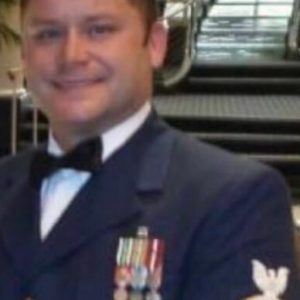
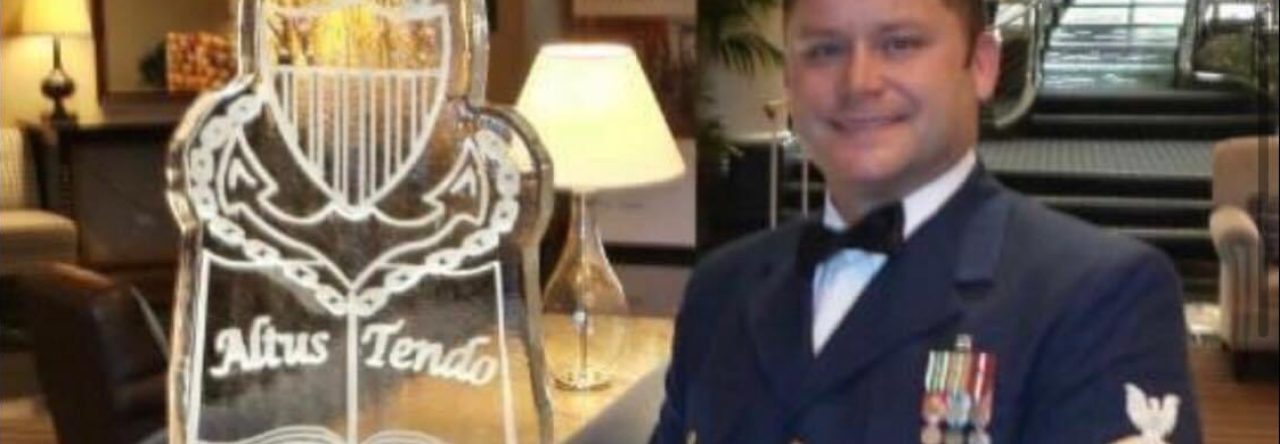
 I’m The 374th Surfman USCG